What is the exact location of the Sun?
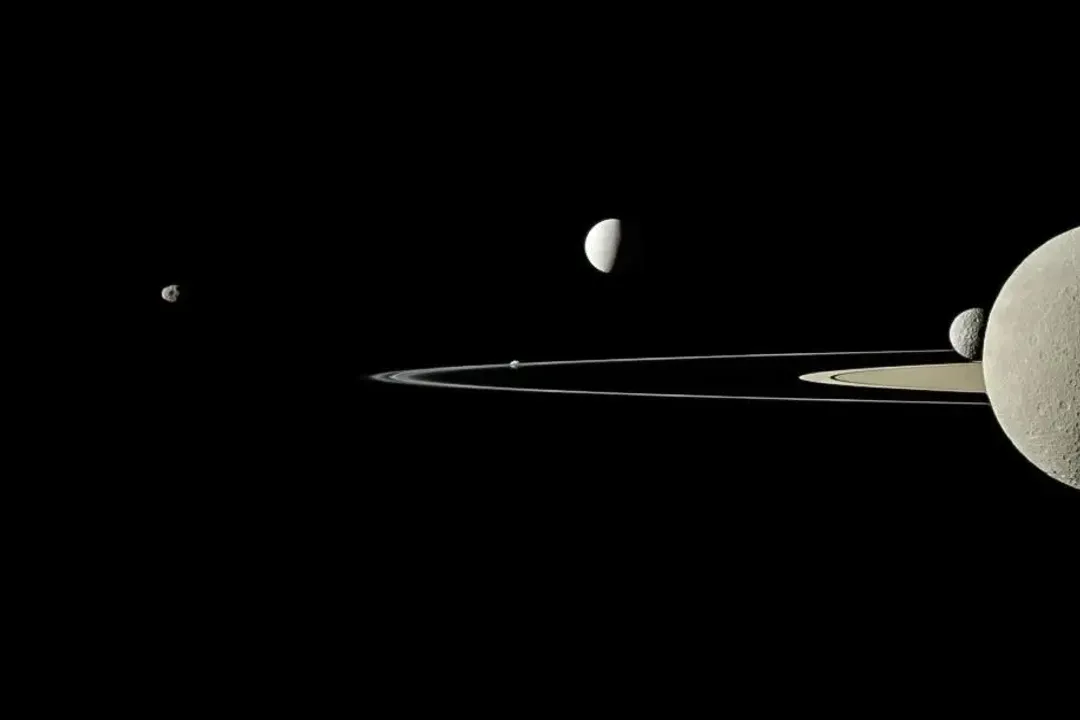
The position of the Sun seems like the simplest question in the cosmos, yet answering it requires defining where and when we are asking. While the Sun remains the gravitational anchor of our solar system, holding a relatively fixed position compared to the orbiting planets, its location relative to an observer on Earth changes second by second. To truly define its "exact location," we must look at two very different perspectives: its fixed cosmic address and its constantly shifting view in our local sky.
# Cosmic Address
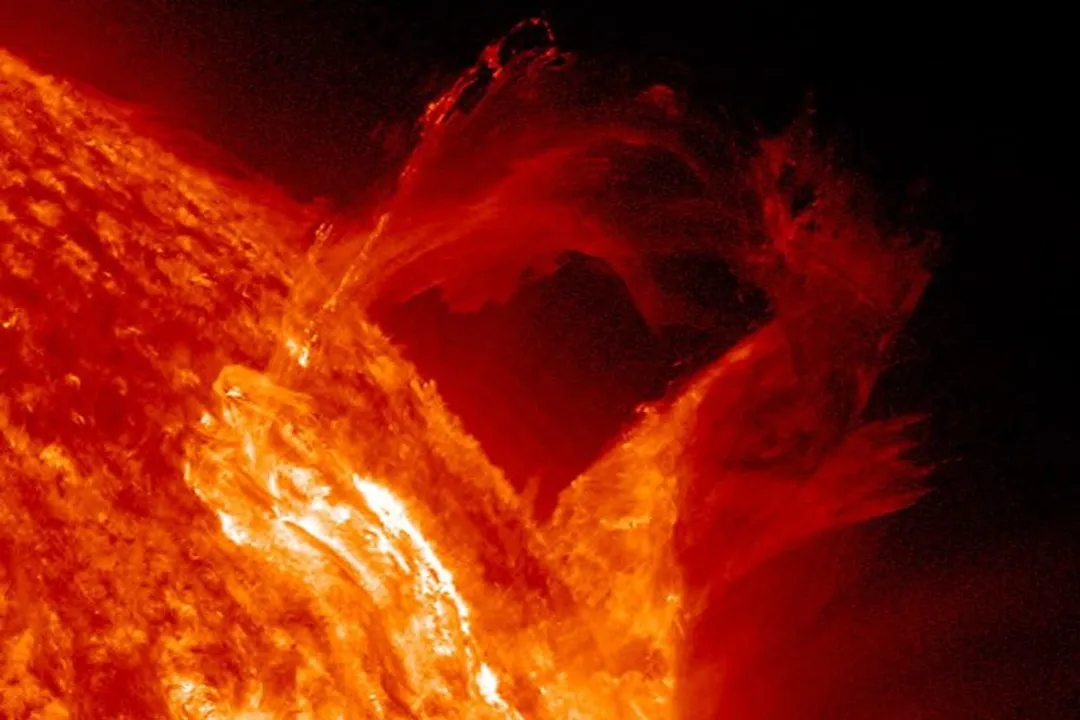
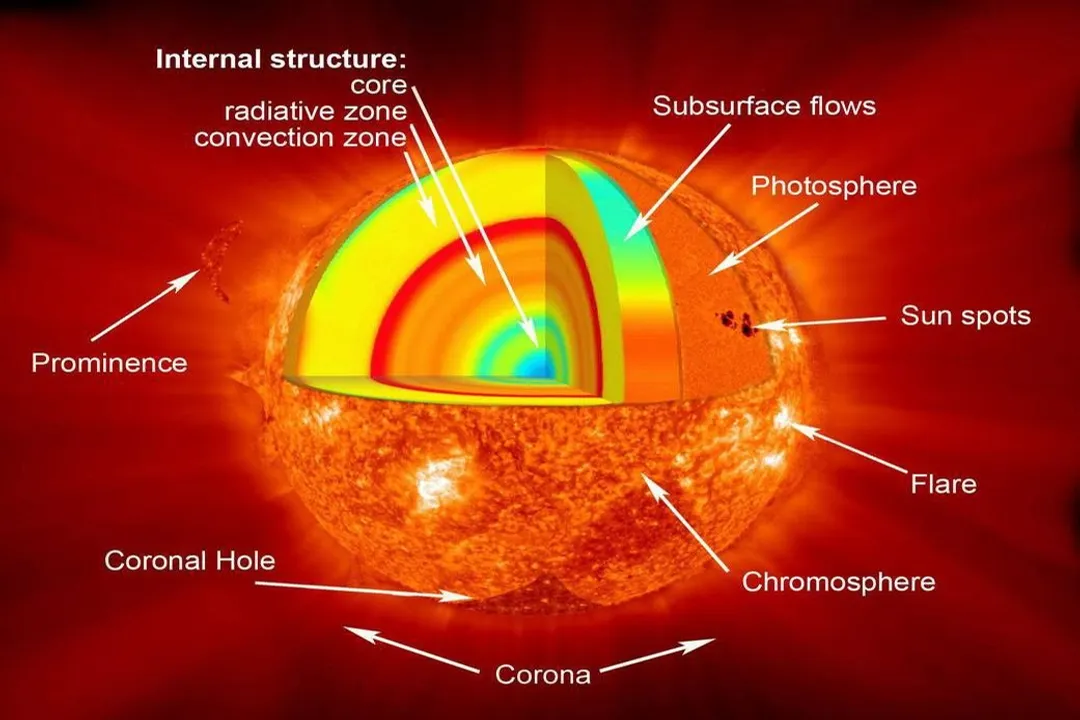
The Sun is a star, classified as a G2V main-sequence star. This classification tells us much about its nature: it is yellow-hued, middle-aged, and currently fusing hydrogen into helium in its core. In terms of its grand location, the Sun sits at the center of our solar system, which is just one small piece of the much larger Milky Way galaxy.
Its nearest stellar neighbors are several light-years away, meaning that on the scale of the galaxy, the Sun's location is quite specific, though its position within the galaxy is relative to the galactic center. We know the Sun is approximately 25,000 to 28,000 light-years from the galactic center, moving around it at a speed of roughly 220 kilometers per second. However, when discussing its location for everyday purposes, focusing on the galactic coordinates is overly complex; the more relevant piece of information is its overwhelming gravitational dominance over the planets orbiting it. For instance, the Sun accounts for about 99.8% of the total mass of the entire solar system. This mass is the reason that, locally speaking, the Sun is the reference point.
# Sky Coordinates
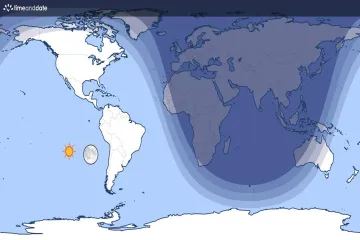
When people ask where the Sun is, they usually mean: "Where is it in the sky right now?" Because the Earth spins on its axis and orbits the Sun, the apparent position of the Sun is always in flux. To give an exact answer, one must specify three things: the precise geographical location on Earth (latitude and longitude), the exact time (including the time zone), and the date.
The position in the local sky is typically described using two primary coordinates: altitude and azimuth.
# Altitude and Azimuth
Altitude measures how high the Sun is above the horizon. If the Sun is right on the horizon, its altitude is . If it is directly overhead (at the zenith), its altitude is . This value tells you immediately whether you can see the Sun or if it has set.
Azimuth describes the Sun's horizontal direction relative to North. Imagine standing still and facing due North; that is azimuth. Moving clockwise, East is , South is , and West is .
For example, if a calculation returns a position of altitude and azimuth, the Sun is shining from the southeast, about halfway between the horizon and directly overhead. Specialized tools, like mobile applications or dedicated online calculators, process the required time and location data to output these specific values instantly.
# Measuring Height
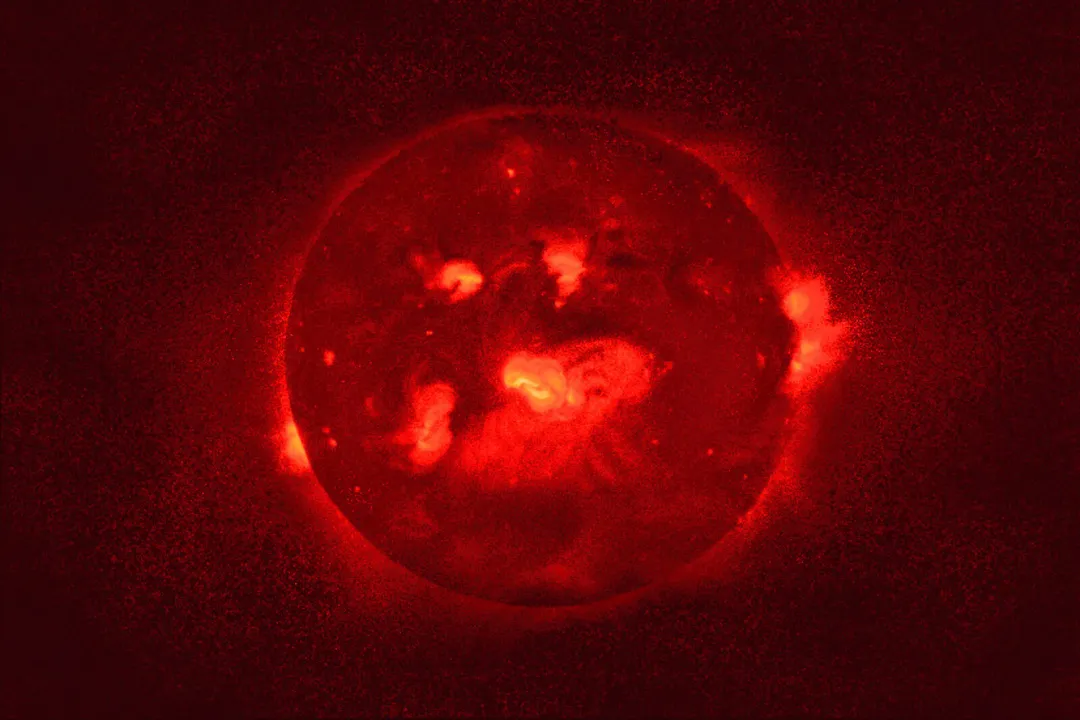
The path the Sun traces across the sky changes dramatically depending on where you stand on the planet and what time of year it is. This variability makes providing a single, unchanging answer for the Sun's position impossible.
Consider someone standing near the equator versus someone standing near the Arctic Circle on the same day, say, the Summer Solstice in the Northern Hemisphere. Both experience the longest day, but the altitude they see at noon will be drastically different. The person near the equator sees the Sun climb quite high, nearly straight up, while the person further north will see the Sun skim across the southern sky at a much lower angle. This means that even when the date is fixed, the altitude coordinate of the Sun must be recalculated for every single latitude on Earth.
It is interesting to note the difference in the apparent speed of the Sun in the sky versus the Earth's orbital speed. The Sun appears to move roughly eastward across the sky every hour due to Earth's rotation. However, the Earth itself only shifts its position around the Sun by about each day as it completes its yearly orbit. This slow, annual drift is what causes the daily path of the Sun to change its high point throughout the year, leading to longer or shorter days.
# Timing The Day
The most practical application of knowing the Sun's exact location is determining when it will rise and set, which fundamentally governs our measurement of time. Sunrise and sunset are simply the moments when the Sun's altitude crosses the mark, adjusted slightly for atmospheric refraction.
Different locations experience different "solar times." The concept of a time zone was established to standardize this, but even within a single time zone, the actual sunrise and sunset times can vary by several minutes depending on your longitude within that zone. For example, if you are on the eastern edge of a time zone, the Sun appears to rise slightly earlier than for someone on the western edge of the same zone on the same day. Online calculators explicitly use these local variables to model the exact moment of the horizon crossing.
| Location Feature | Change in Sun's Apparent Position | Primary Cause |
|---|---|---|
| Time of Day | Changes rapidly (15° per hour) | Earth's Rotation |
| Date of Year | Changes slowly (approx. 1° per day) | Earth's Orbit |
| Latitude on Earth | Changes maximum altitude at noon | Earth's Axial Tilt |
If you are ever trying to plan an outdoor activity where the sun angle matters—such as installing solar panels or setting up a precise astronomical photograph—relying on the generalized time of "noon" is insufficient. You need the computed azimuth and altitude for that specific day and location, which accounts for the complex interplay between the planet's tilt and its orbit.
In summary, the Sun has a fixed, albeit massive, address at the center of our solar system. But its "exact location" for any person on Earth is a dynamic coordinate pair—altitude and azimuth—that requires precise inputs of time and place to calculate.
Related Questions
#Citations
Day and Night World Map - Time and Date
SunCalc - sunrise, sunset, shadow length, solar eclipse, sun ...
Where is The Sun? How to Find The Sun in the Sky - TheSkyLive
Sun - Wikipedia
Calculation of sun's position in the sky for each ... - SunEarthTools.com
The Sun - Southern California's gateway to the cosmos!
SunCalc - sun position, sunlight phases, sunrise, sunset, dusk and ...
Our Sun: Facts - NASA Science
Sun Position: Sunrise & Sunset - Apps on Google Play