What do you do in space tourism?
Stepping onto a rocket is no longer an exclusive domain for government-trained astronauts. Private companies are opening the gates to the cosmos for individuals with the financial means and the stamina to endure the physical rigors of launch and re-entry [1][2]. While the industry remains in its infancy, the options for civilians are generally categorized into two main experiences: suborbital flights and orbital stays [2].
# Flight Types
The most accessible entry point is the suborbital flight. This involves traveling at speeds sufficient to reach the edge of space—typically defined as the Kármán line at 100 kilometers altitude—without completing a full revolution around the Earth [2]. During these brief trips, which often last only a few minutes, passengers experience several minutes of weightlessness [7]. You spend this time floating in the cabin, observing the curve of the Earth and the distinct blackness of space against the atmosphere [6]. Companies like Virgin Galactic focus on this model, providing a launch from an aircraft carrier to reach space altitude before gliding back to a runway landing [7].
Orbital flights offer a significantly different experience. These missions involve reaching the velocity necessary to circle the Earth, typically requiring much more powerful rockets [2]. These trips allow for stays on space stations, such as the International Space Station, or private orbital modules, lasting from a few days to several weeks [6]. Activities during orbital tourism mimic those of professional astronauts: managing life-support systems, conducting light scientific experiments, and adhering to strict daily schedules for sleep, hygiene, and exercise to mitigate the muscle and bone loss that occurs in microgravity [4].
# Physical Readiness
Preparation for spaceflight is a critical phase of the process. Even for short suborbital hops, passengers undergo training to familiarize themselves with the physiological sensations of flight. The most significant factor is G-force, or gravity loading, which occurs during the high-acceleration ascent and the intense deceleration of re-entry [2].
Training programs often include the use of human centrifuges. These machines spin at high speeds to simulate the pressure placed on the body during launch, teaching participants how to tense their muscles and breathe properly to maintain blood flow to the brain, preventing loss of consciousness [6]. While suborbital tourists may only face a few days of training, those aiming for orbital flights often require months of instruction. This covers emergency protocols, docking procedures, and how to operate in a vacuum-sealed environment where every movement requires careful coordination to avoid collisions with sensitive equipment [4].
# The Experience
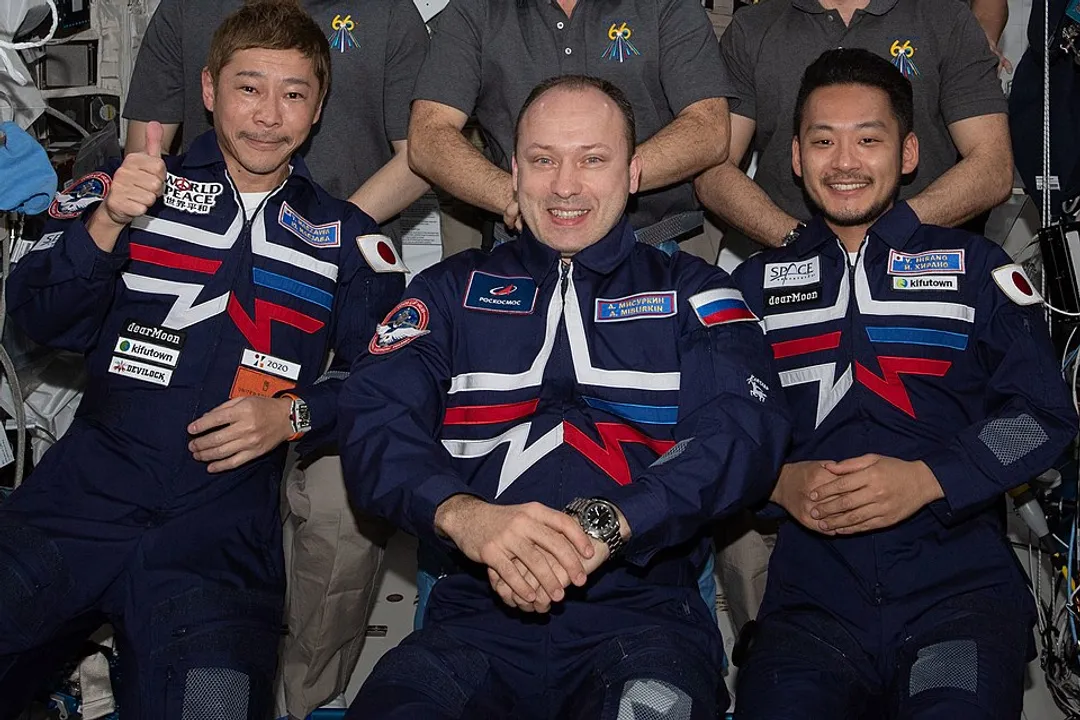
Once in space, the sensation of weightlessness becomes the primary activity. Objects float, hair rises, and the standard rules of gravity no longer apply. Movement is efficient but requires care; pushing off a surface too hard can send you spinning across the module [2]. For many, the primary objective is viewing the planet. The phenomenon often described by space travelers is the "Overview Effect," a cognitive shift that occurs when viewing Earth from orbit [3]. This perspective, seeing the planet as a fragile, singular sphere without visible political borders, often produces a profound sense of interconnectedness and environmental awareness [5].
Beyond the view, passengers on longer orbital flights participate in the daily maintenance of their habitat. Because there is no gravity to keep things in place, organization is paramount. Every tool, meal packet, and clothing item must be tethered or secured with Velcro. Cleaning, checking oxygen levels, and monitoring communication systems are integrated into the daily routine to ensure the safety of the crew and the longevity of the vessel [4].
# Cost Analysis
| Flight Type | Duration | Primary Activity | Relative Cost |
|---|---|---|---|
| Parabolic | Seconds | Weightlessness training | Low |
| Suborbital | Minutes | Viewing Earth, floating | High |
| Orbital | Days/Weeks | ISS stay, research | Extreme |
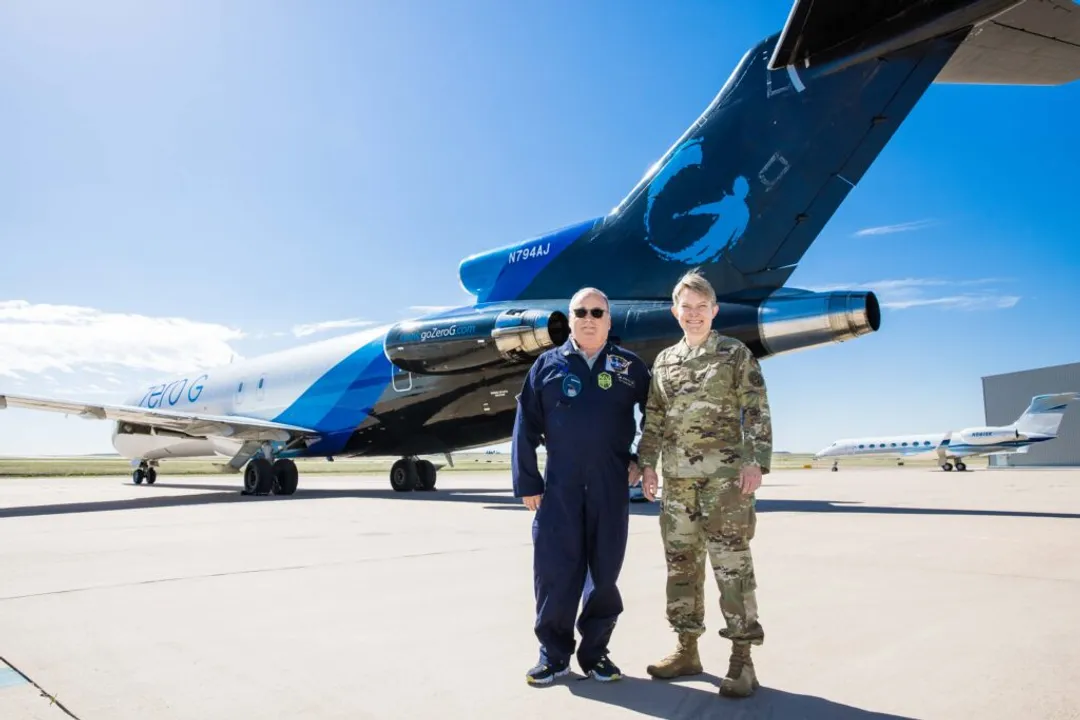
The table above illustrates a clear distinction in the market. Many tourists start with parabolic flights, often marketed as "zero-gravity" experiences, where an aircraft performs steep maneuvers to create brief periods of weightlessness [8]. While not technically space tourism, these provide a realistic simulation of the environment at a fraction of the cost. As one moves to suborbital and then orbital missions, the technical requirements—and the price—increase exponentially [2].
# Environmental Impact
The rise of a new industry raises questions regarding its long-term effects on the planet. Critics point to the carbon emissions generated by rocket launches as a major drawback, noting that the fuel types used in many propulsion systems release soot and other particles directly into the upper atmosphere [5]. While the current frequency of launches is low compared to commercial aviation, a massive scaling of space tourism could potentially lead to atmospheric degradation [5].
Companies are currently looking into greener propellants and more efficient rocket designs to address these concerns. However, the trade-off between the scientific value gained from increased access to space and the environmental cost remains a subject of ongoing debate [5]. The industry must balance its growth with the responsibility of protecting the environment it aims to visit.
# Practical Constraints
Space tourism is not merely about having the funds to buy a ticket. It is an exercise in risk management. Spaceflight, regardless of how routine it becomes, remains inherently dangerous. Launch failures, system malfunctions in the vacuum of space, and medical emergencies in orbit represent real scenarios that cannot be entirely eliminated [6].
Participants must undergo medical screenings to ensure they have the cardiovascular health to withstand the high G-forces. Pre-existing conditions that might be managed on Earth can become volatile in space due to the lack of immediate access to specialized medical care. This creates a barrier to entry that goes beyond financial wealth, restricting the population of potential tourists to those who are physically fit and capable of handling significant stress [2].
# Future Outlook
The trajectory of space tourism suggests a move toward normalization, where the process of going to space mirrors the early days of aviation. Just as air travel moved from a daring, expensive novelty to a standard mode of transport, space tourism aims to lower costs through reusability [9]. The development of reusable rocket stages has already decreased the cost-per-kilogram of lifting payloads into orbit, a trend that may eventually bleed over into passenger pricing [6].
As these vehicles become more reliable, the focus will likely shift from simply "surviving the trip" to "experiencing the destination." Future space hotels, specialized modules with larger windows, and improved amenities will likely replace the utilitarian, cramped quarters of current prototypes. The current era is one of experimentation, where the priority remains safety and basic function, but the next phase will be defined by comfort and the expansion of what a civilian can actually do while in orbit [2][6].
#Videos
See how space tourism works - YouTube
Related Questions
#Citations
Space tourism - Wikipedia
How Space Tourism Works - Science | HowStuffWorks
My take on space tourism : r/spaceflight - Reddit
Space Travel Technology - NASA
Space tourism: What are the pros and cons?
How Will Space Tourism Work ? - RocketBreaks
Virgin Galactic Spaceflight Expeditions
How to Visit Space as a Tourist: The Space Age of Adventure - Zero-G
See how space tourism works - YouTube