Is there radiation in space today?
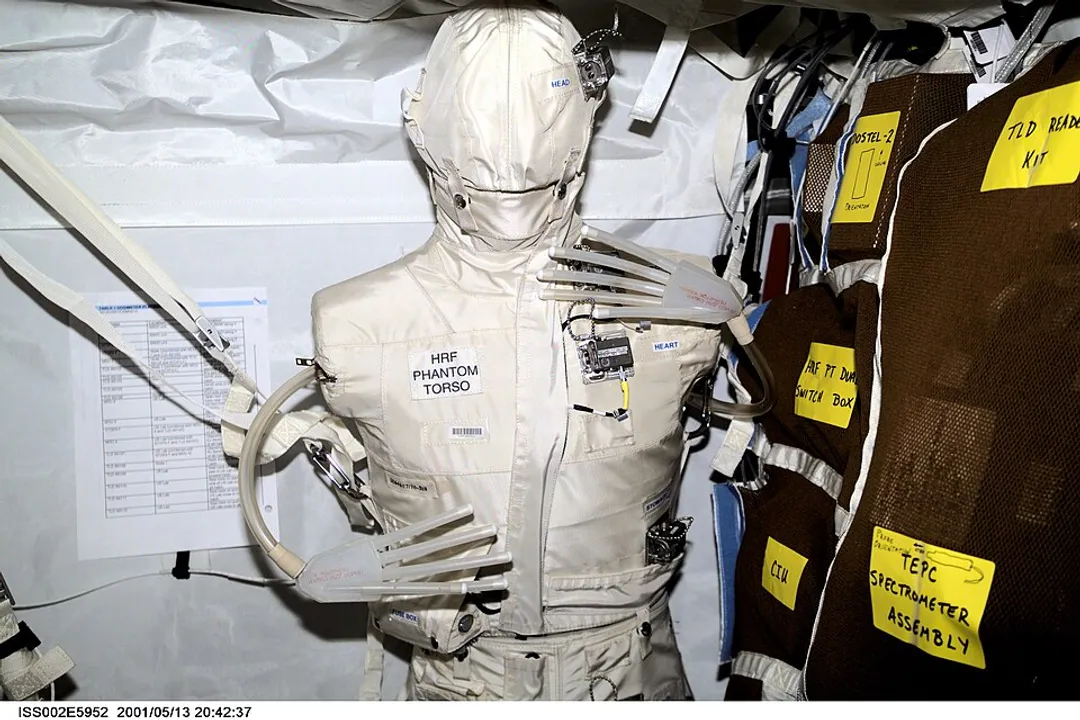
Space is often described as a vast, empty vacuum, but for any astronaut or satellite orbiting our planet, it is actually a hazardous, high-energy environment. Radiation exists in space every single day, and it is a fundamental factor that engineers, mission planners, and health experts must navigate to keep humans and electronics safe. [3] Unlike the stable environment on Earth’s surface, where our atmosphere and magnetic field filter out the majority of harmful cosmic energy, the space environment is dynamic and often unpredictable. [4]
# Radiation Types
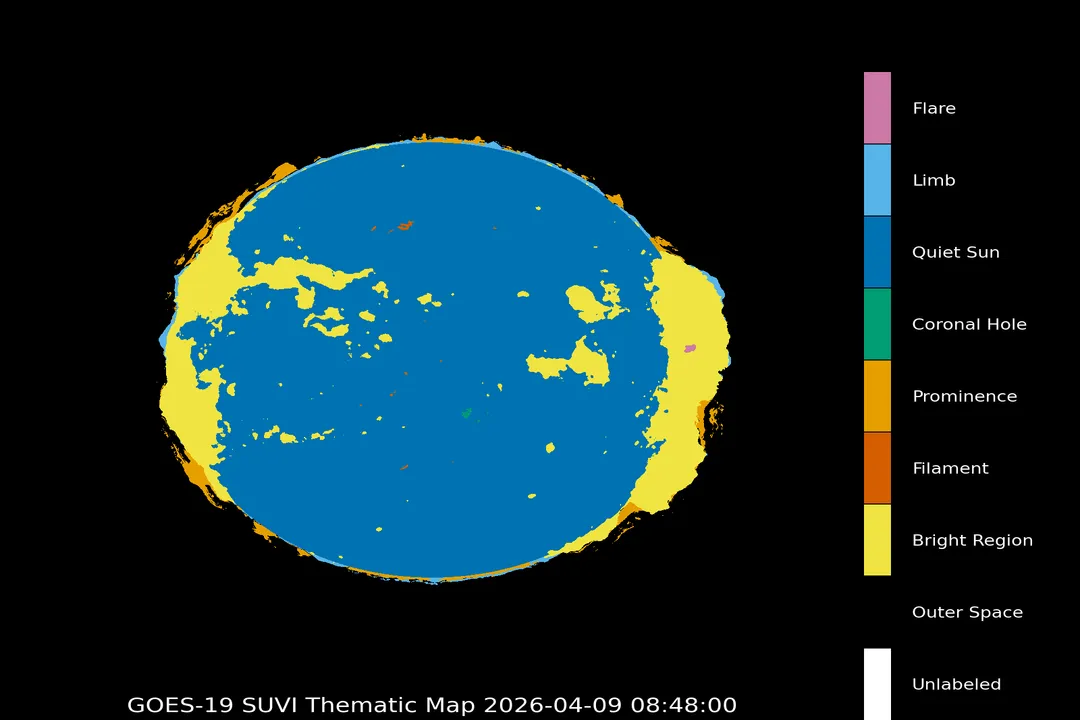
There are three primary sources of radiation that dictate the environment in space: trapped radiation, galactic cosmic rays, and solar particle events. [3][10] Each poses a different level of risk depending on the mission profile and location.
Trapped radiation consists of energetic particles, such as electrons and protons, that become caught in Earth’s magnetic field, creating what are known as the Van Allen radiation belts. [10] For satellites and spacecraft in low-Earth orbit, crossing these belts is a significant concern. Staying within the protection of the magnetosphere helps, but it does not eliminate the exposure.
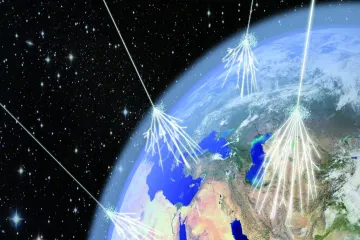
Galactic cosmic rays (GCRs) are a constant feature of the deep space environment. These are high-energy particles originating from outside our solar system, likely from supernova explosions or other extreme stellar events. [4] Because GCRs are omnipresent and highly penetrating, they represent a chronic, unavoidable background radiation that astronauts face on any mission heading toward the Moon or Mars. [3]
Solar particle events (SPEs) are more sporadic but potentially dangerous. These occur when the Sun erupts, sending bursts of protons and other particles into the solar system. [10] These events are essentially "space weather" storms. While they do not happen all the time, when they do occur, they can deliver massive, acute doses of radiation in a short timeframe. [3]
# Monitoring Systems
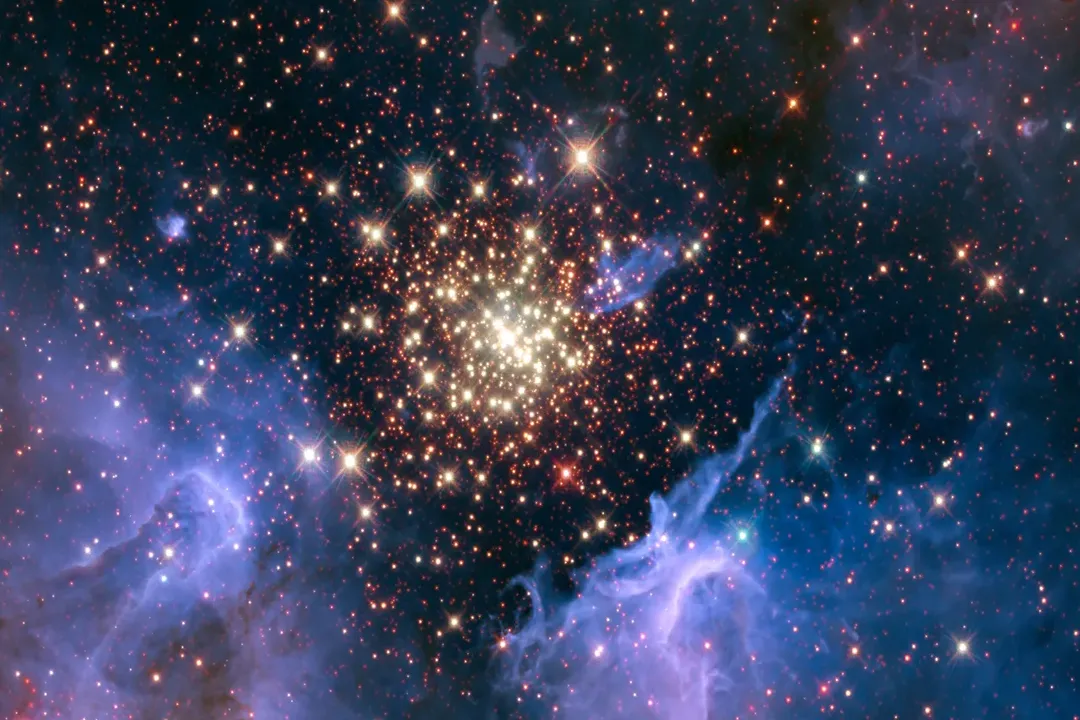
Because radiation levels can spike unpredictably, real-time monitoring is critical. Organizations like the National Oceanic and Atmospheric Administration (NOAA) track space weather around the clock. [8] Tools such as the GOES (Geostationary Operational Environmental Satellite) series monitor X-ray flux and particle density. [1] This data is essential because it acts as an early warning system. If a solar flare is detected, mission control can advise astronauts on the International Space Station to move to more shielded areas of the vessel. [3]
Websites like Spaceweather.com provide daily updates on sunspot activity and solar winds, making the invisible danger of space weather visible to the public and scientific community. [2] By analyzing this data, researchers can better predict when to launch sensitive equipment or schedule extravehicular activities, ensuring that exposure is managed rather than avoided entirely, as complete avoidance is impossible in space flight.
# Biological Risks
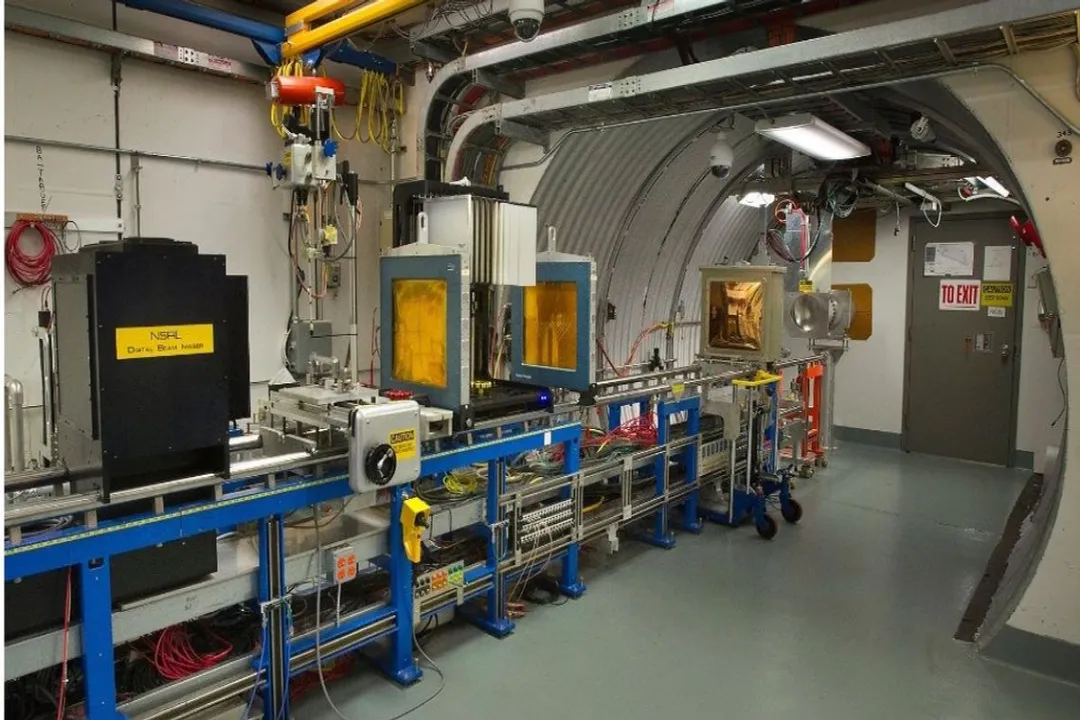
The human body is not evolved for the space environment, and biological data collected over decades shows that ionizing radiation takes a toll on health. [6] When high-energy particles strike the body, they can damage DNA, potentially leading to long-term health consequences like an increased risk of cancer. [9]
It is not just about cancer, though. Recent studies suggest that space radiation can affect the immune system and influence cardiovascular health. [6][9] Researchers are looking closely at how radiation interacts with other stressors of spaceflight, such as microgravity, to get a complete picture of the health risks. [7][9]
To put these risks into perspective, it helps to compare the radiation doses found in space against those experienced in daily life on Earth.
| Exposure Scenario | Estimated Dose (mSv) | Context |
|---|---|---|
| Annual Earth Background | ~3 | Natural sources |
| Chest X-ray | ~0.1 | Medical diagnostic |
| ISS Stay (6 months) | 80–160 | Low-Earth orbit |
| Mars Mission (Return) | 300–1000+ | Estimated deep space |
This data highlights why deep-space missions are far more challenging than staying near Earth. [3] While a trip to the space station involves significant exposure, a mission to Mars, which leaves the protective bubble of Earth’s magnetic field entirely, subjects astronauts to a constant, unshielded barrage of cosmic rays for months at a time.
# Protection Methods
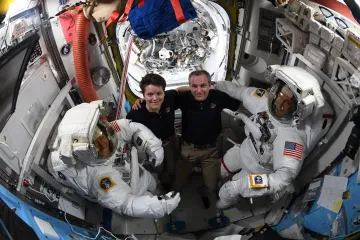
Keeping astronauts safe involves a combination of shielding, distance, and time management. [3][10] Aluminum has traditionally been the go-to material for spacecraft shielding because it is lightweight and strong. However, modern research suggests that hydrogen-rich materials, such as polyethylene or even water, might be more effective at slowing down high-energy cosmic particles without generating secondary radiation, which can occur when particles strike heavy metal shields. [3]
Another strategy is the "storm shelter" approach. Spacecraft designers are increasingly incorporating areas within vessels—often surrounded by water supplies or food storage—that have extra shielding. If a large solar particle event is detected by ground-based monitors, the crew can retreat to these shelters until the storm passes. [3]
# Future Research
As we prepare for more permanent settlements on the Moon and potentially human missions to Mars, the focus is shifting toward biological countermeasures. [9] Scientists are investigating whether dietary changes, supplements, or specific pharmaceuticals could help repair DNA damage or mitigate the inflammatory response caused by radiation exposure. [6]
One interesting insight involves the synergy between hardware and biology. While engineers work to improve physical shielding, medical researchers are looking at the body’s own repair mechanisms. If we can identify biomarkers that signal early radiation damage, flight surgeons could potentially adjust crew schedules or protocols in real time to prevent long-term harm. This dual-pronged strategy—shielding the spacecraft and strengthening the biology—is the direction of current space exploration efforts.
The assumption that space is a hostile, radioactive environment is accurate, but it is not a barrier that stops us from going. It is a technical hurdle. By treating space radiation as a variable that can be measured, managed, and mitigated, agencies are finding ways to safely operate despite the constant presence of particles streaming through the cosmos. [3][5] The challenge is not whether we can stop the radiation, but how we can build systems and biological resilience to live within it.
#Videos
MOON MINUTE: Battling Space Radiation for Human Spaceflight
Related Questions
#Citations
GOES X-ray Flux | NOAA / NWS Space Weather Prediction Center
SpaceWeather.com -- News and information about meteor showers ...
Why Space Radiation Matters - NASA
Facts About Radiation from Space (Cosmic Radiation) - CDC
MOON MINUTE: Battling Space Radiation for Human Spaceflight
Everything you wanted to know about space radiation but were ...
New research shows, radiation in space if far lower than commonly ...
What Happens to the Body in Space? | Duke Today
Effects of ionizing radiation in spaceflight - Wikipedia