What is the main benefit of using a tethered system for a rotating space station?
Answer
It drastically reduces the structural mass compared to a solid rotating ring.
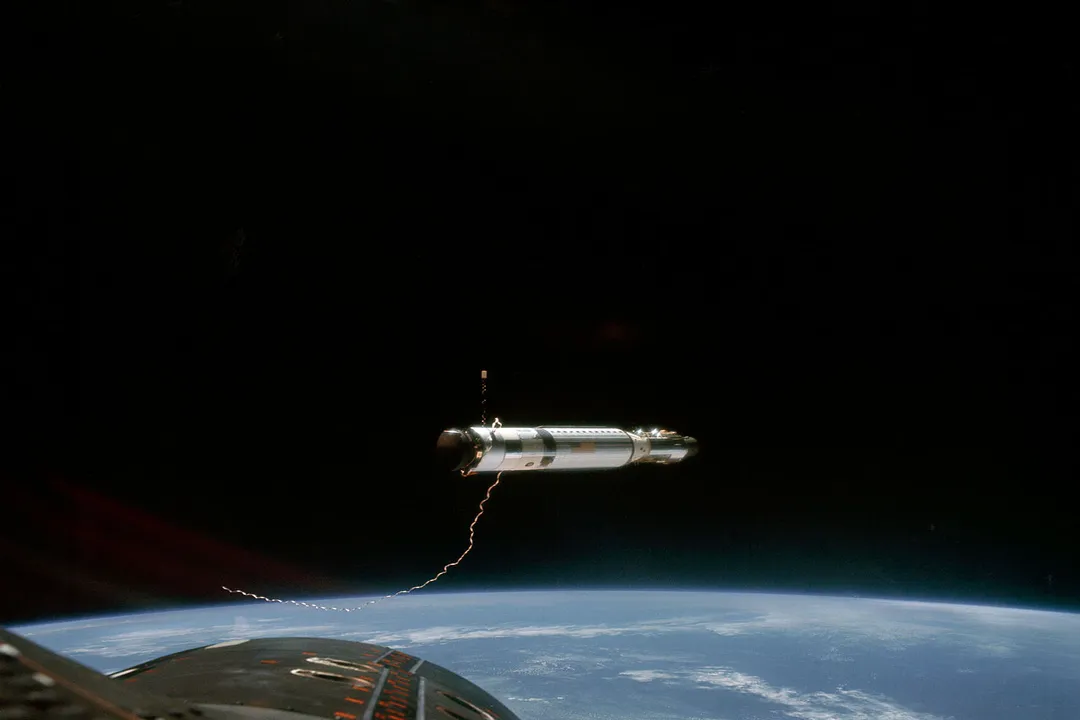
Building a solid, rigid structure with a diameter of nearly half a kilometer presents massive logistical and weight constraints for space travel. A tethered system addresses this by connecting modules with cables to a central hub, allowing the system to spin while maintaining the necessary radius. This approach requires significantly less material than building a massive, enclosed ring or cylinder, which saves on launch weight and manufacturing complexity, even though it introduces new technical challenges regarding cable stability and docking procedures.
#Videos
Artificial Gravity In Space - How To Create It? - YouTube
Can We Create Artificial Gravity? - YouTube
Related Questions
Why is it physically impossible to generate true gravity using mass on a spacecraft?What rotation rate is considered the upper limit for long-term comfort for humans on a spinning space station?What specific structural radius is required to achieve 1g while maintaining a comfortable 2 RPM rotation?What is the primary drawback of using constant linear acceleration to simulate gravity?How does the Coriolis effect impact an astronaut walking toward the center of a rotating spacecraft?What is the main benefit of using a tethered system for a rotating space station?What is the intended purpose of the Human-Powered Centrifuge for astronauts?Which force pushes occupants toward the outer walls of a spinning spaceship?What physiological decline in space missions necessitates artificial gravity solutions?What engineering concept is required to manage the vestibular system's response to artificial gravity?