What happens to a planet when it is positioned on the outer edge of the habitable zone, such as Mars?
Answer
It experiences colder temperatures, often locking water into permanent ice
Planets located on the outer edge of the habitable zone generally face colder conditions than those in the center. In the case of Mars, which sits on this outer boundary, the distance from the Sun often results in temperatures too low to sustain liquid water on the surface. While there is evidence suggesting that Mars may have had water in the past, its current environment is characterized by a thin atmosphere and water that is largely frozen or lost. This illustrates the critical impact of distance on the potential for surface water to remain in a liquid state.
#Videos
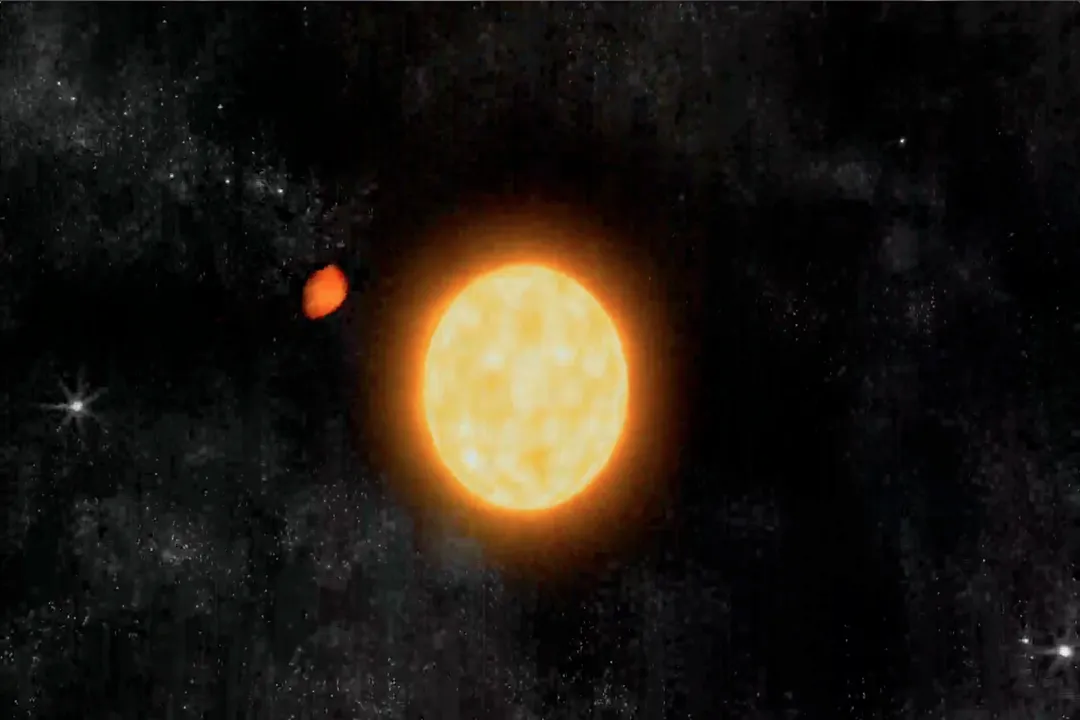
Goldilocks Zone
Related Questions
What does the circumstellar habitable zone, commonly called the Goldilocks zone, specifically define?How does the type of host star influence the location and width of the habitable zone?What is the primary reason the TRAPPIST-1 system is frequently cited in astronomical research?Why is Venus considered uninhabitable despite being located near the inner edge of the habitable zone?What crucial role does an atmosphere play for a planet residing in the Goldilocks zone?How do plate tectonics and volcanic activity contribute to the long-term habitability of a planet?Why is water regarded as the standard solvent in the search for extraterrestrial life?What is the goal of using advanced space telescopes like the James Webb Space Telescope in relation to Goldilocks planets?What distinction should be made when news reports announce an exoplanet as potentially habitable?What happens to a planet when it is positioned on the outer edge of the habitable zone, such as Mars?