What is the Goldilocks zone summary?
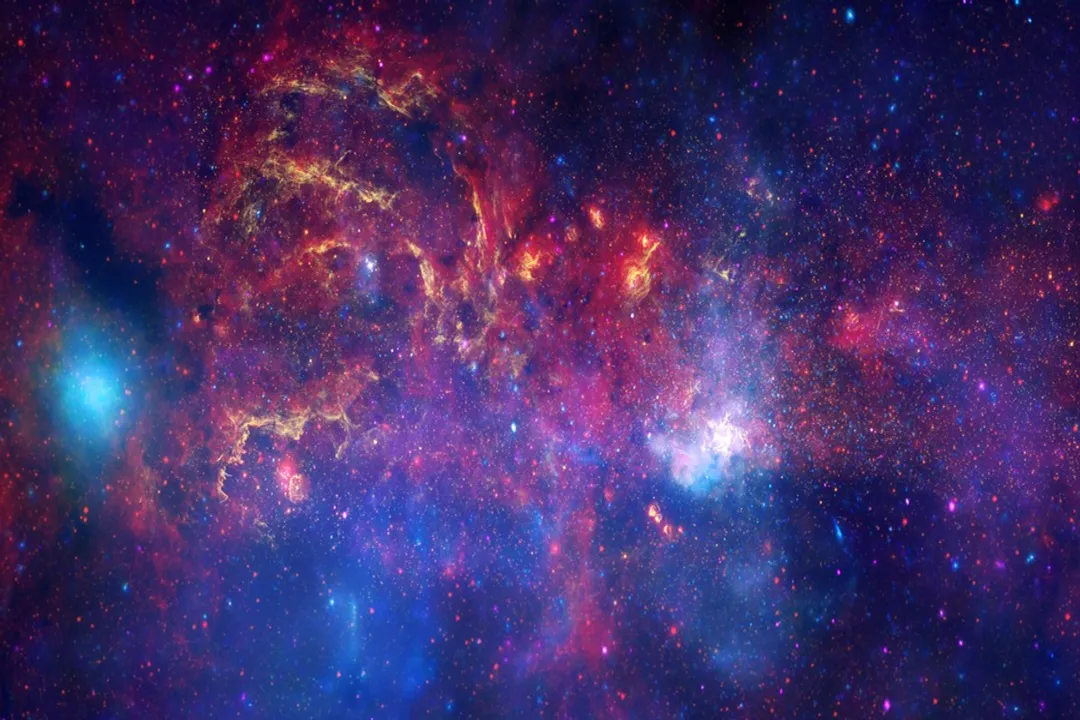
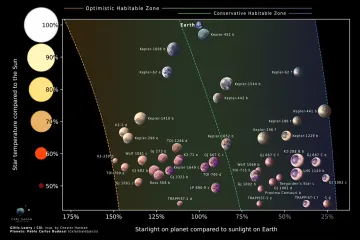
The term Goldilocks zone refers to a specific range of distances from a star where a planet can maintain liquid water on its surface. [1][2][4] Scientists use this concept as a primary filter when searching for alien life, as liquid water is widely considered the most essential requirement for the biological processes we recognize. [5][7] The name comes from the classic fairy tale of the same name, where Goldilocks seeks a bowl of porridge that is neither too hot nor too cold, but just right. [2][5] In astronomical terms, this means the planet is far enough from its host star to prevent water from evaporating, yet close enough to prevent it from freezing solid. [1][4]
# Defining Habitability
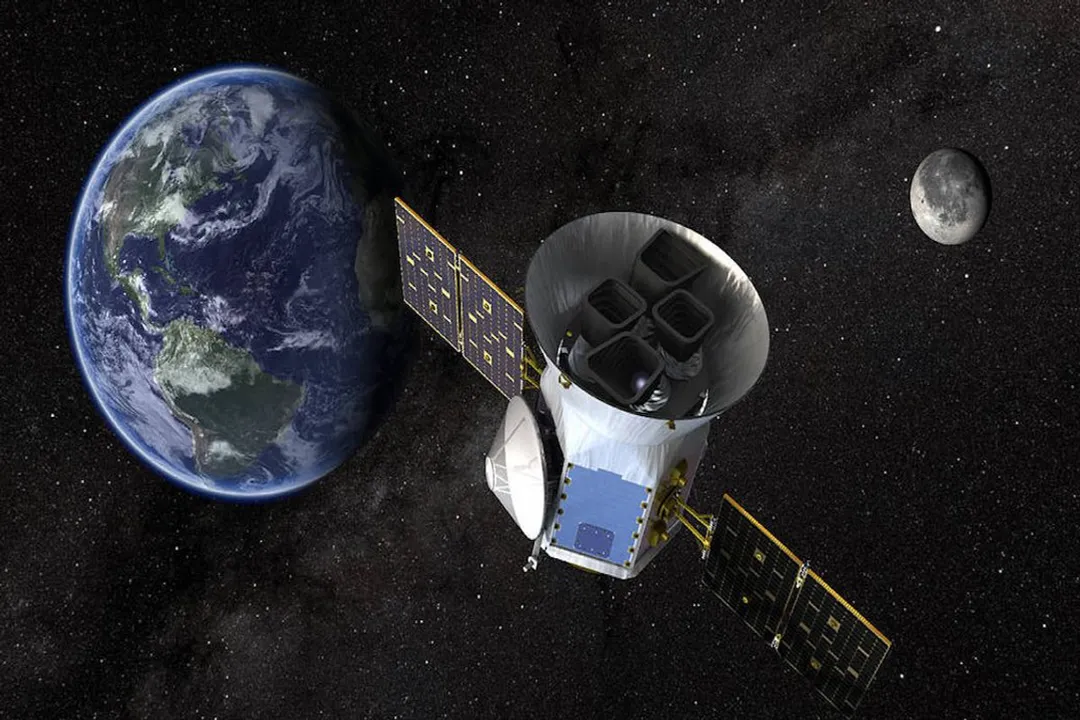
While the concept sounds simple, determining whether a planet sits within this zone is complex. Astronomers must calculate the stellar flux—the amount of energy received from the star—at various distances from the star. [1][8] If a planet receives too much energy, it enters a runaway greenhouse state, where surface water boils away into the atmosphere. [4] If it receives too little energy, water turns into ice, creating a global freezer. [5]
This zone is not a rigid line but a region that shifts depending on the star's type. [4][8] Massive, hot stars radiate much more energy than smaller, cooler stars like red dwarfs. [1] Consequently, the habitable zone around a hot star is located much farther out, while the zone around a red dwarf is very close to the star. [1][4]
# Atmospheric Factors
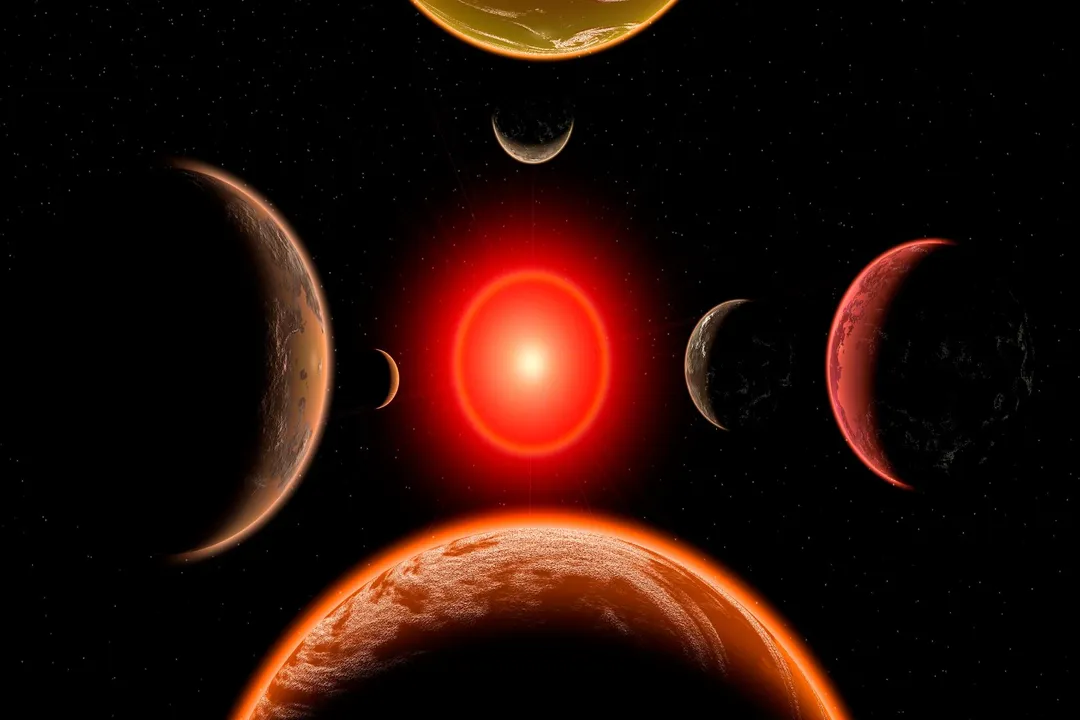
Distance alone is an incomplete metric for habitability. A planet might orbit comfortably within the calculated zone, but its surface conditions can still be hostile depending on its atmosphere. [4][8]
Consider the "Atmospheric Multiplier" effect on solar system neighbors. Venus and Mars provide a stark contrast to Earth. Venus is located near the inner edge of our solar system's habitable zone but suffers from an extreme runaway greenhouse effect caused by a dense, carbon-dioxide-rich atmosphere, raising surface temperatures high enough to melt lead. [8] Conversely, Mars sits near the outer edge but lacks a sufficient atmosphere to retain heat, resulting in a cold, arid landscape despite being in a potentially favorable location. [4][5]
The actual habitability of a world is a product of its distance from the star multiplied by the insulating capacity of its atmosphere. Without an atmosphere to trap heat or regulate pressure, the Goldilocks zone becomes effectively irrelevant, as liquid water cannot exist on the surface regardless of the temperature. [1]
| Planet | Position Relative to Sun | Atmosphere Status | Water State |
|---|---|---|---|
| Venus | Inner Edge | Extremely Thick (Greenhouse) | Vaporized |
| Earth | Optimal | Balanced (Nitrogen/Oxygen) | Liquid Surface Water |
| Mars | Outer Edge | Extremely Thin | Primarily Ice/Sublimated |
# Stellar Evolution
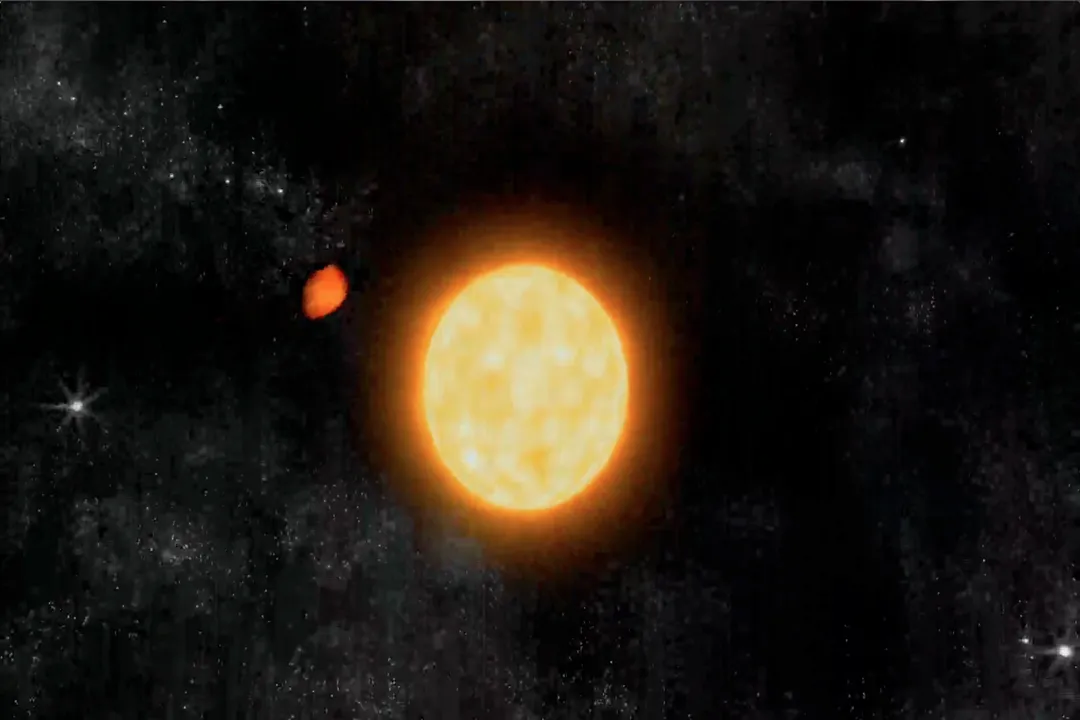
Stars are not static heat sources; they change over millions and billions of years. [1] As stars age, they typically grow brighter and hotter, which causes the habitable zone to migrate outward. [1] This creates a dynamic, moving target for any life trying to survive on a planet.
A planet that starts its life in the middle of the habitable zone might eventually find itself on the inner, warmer edge as its host star evolves. [4] This "Time-Dependent Habitability" is a critical insight for astrobiologists. It suggests that a planet does not have a permanent expiration date or a permanent invitation to life; it exists within a temporal window of habitability. A planet might remain habitable for a billion years, only to cross the threshold into a boiling climate as its star ages, effectively ending the chance for surface life as we understand it. [1][8]
# Detecting Exoplanets
To identify worlds in the Goldilocks zone, astronomers rely on transit photometry and radial velocity methods. [1][5] When a planet passes in front of its star, it causes a tiny, rhythmic dimming of the star's light. [4] By measuring the duration and frequency of these dips, scientists can determine the planet's orbital period and distance from the star. [5]
However, detecting the planet is only the first step. To confirm it actually resides in the habitable zone, researchers must also know the temperature and luminosity of the host star. [1] If the star is erratic or prone to violent flares, it can strip away a planet's atmosphere, rendering the "habitable" status moot regardless of the planet's distance. [8]
# Common Misconceptions
One frequent misunderstanding is the assumption that the Goldilocks zone guarantees the existence of life. The term describes a condition where liquid water could exist, not where it must exist. [5] A planet might have the right orbital distance and a perfect atmosphere but still lack the necessary chemical ingredients, such as carbon, nitrogen, or phosphorus, or it might be geologically dead. [4]
Furthermore, the term often implies a circular, symmetrical zone around a star. In reality, the habitability of a planet is affected by its orbital eccentricity. [1] A planet with a highly elliptical orbit might spend part of its year in the habitable zone and the rest far outside of it, swinging from burning heat to freezing cold. For a world to be truly stable, it generally requires a nearly circular orbit to maintain a consistent climate over long periods. [1]
# Planetary Conditions
While the Goldilocks zone is a necessary starting point, several secondary criteria determine if a world is truly supportive of life:
- Atmospheric Pressure: Necessary to keep water liquid rather than letting it sublimate directly into gas or freeze solid. [4]
- Geological Activity: Plate tectonics and volcanic activity may be required to recycle carbon and regulate planetary temperatures over geological time scales. [7]
- Stellar Stability: A star that emits frequent, high-energy X-ray or UV flares can destroy ozone layers and strip atmospheres, even if the planet is at the perfect distance. [1]
- Magnetic Field: A strong planetary magnetic field is often cited as a requirement to protect the atmosphere from solar wind erosion. [5]
These factors combine to form a "Habitability Index" that goes beyond simple distance measurements. While the Goldilocks zone is a powerful tool for narrowing the search for life in the vastness of space, it serves as a gateway filter rather than a definitive answer. [4][9] Finding a planet in this zone provides a reason to investigate further, using tools like spectroscopy to analyze the chemical composition of the planet's atmosphere for biosignatures, such as oxygen, methane, or ozone. [5][6]
#Videos
Chemical Goldilocks Zone: The Hidden Reason Earth Exists
Related Questions
#Citations
Habitable zone - Wikipedia
Goldilocks Zone: Overview, History & Facts | Habitable Zone
The Goldilocks Zone | PBS LearningMedia
The Habitable Zone - NASA Science
Goldilocks zone: A guide to the habitable sweet spot - Space
Chemical Goldilocks Zone: The Hidden Reason Earth Exists
The Habitable Zone - Understanding Evolution
What is the Goldilocks Zone and why does it matter in the search for ...
Goldilocks Paradox Unplugged: Behind the Sci-Fi (Part I)