Does SpaceX use liquid hydrogen?
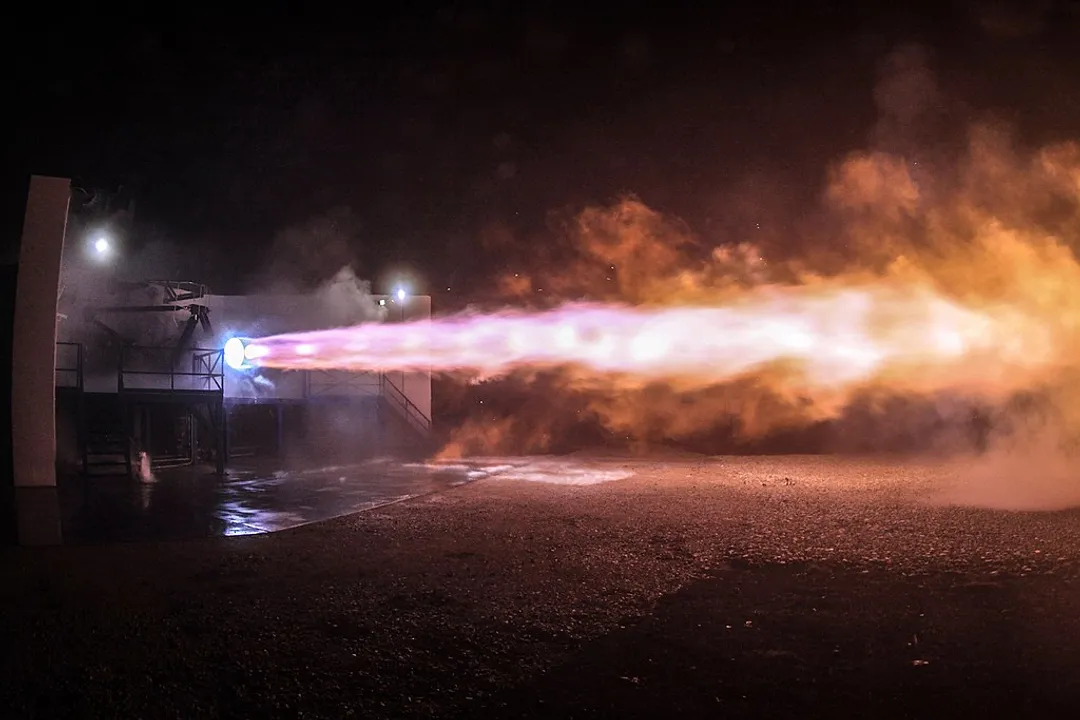
The initial assessment of SpaceX's fleet quickly reveals a preference for hydrocarbon and cryogenic oxidizer combinations rather than pure liquid hydrogen (). For their established workhorse, the Falcon 9, the fuel used is , a highly refined form of kerosene, paired with liquid oxygen (). [4][5] With the next generation of vehicles, specifically Starship, Elon Musk and SpaceX made a significant pivot, but they did not land on . Instead, they selected liquid methane (), also paired with , to power the Raptor engines. [1][10] Therefore, the direct answer is that SpaceX does not currently use liquid hydrogen as a primary propellant for its orbital-class vehicles. [2] The choice between these three common cryogenic/storable propellants—kerosene, methane, and hydrogen—is deeply rooted in engineering practicality, performance metrics, and the long-term goal of Mars colonization. [1][9]
# Falcon Nine Fuel
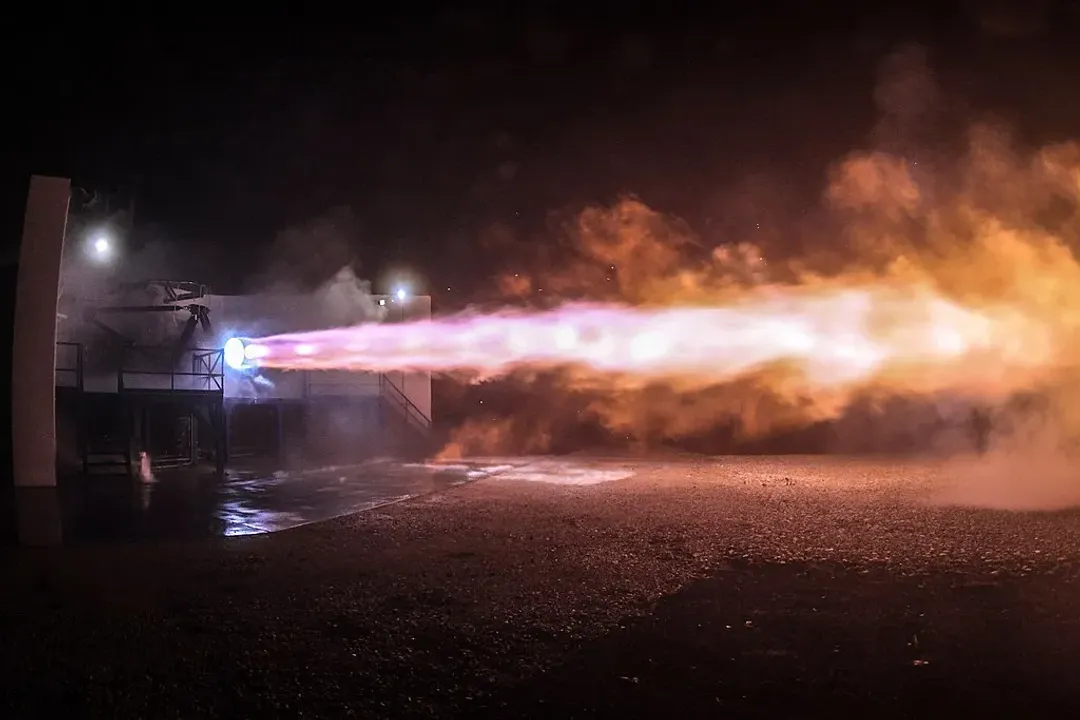
The Falcon 9's continued success is largely dependent on the reliability and maturity of its system, which powers the Merlin engines. [5] When considering why was bypassed for this rocket, the trade-offs become immediately apparent, primarily centering on density and storage complexity. [3][9]
Liquid hydrogen, while offering the highest specific impulse—a measure of engine efficiency—compared to or methane, comes with significant penalties. [9] is extremely light; it has a very low density, around at its boiling point, which requires massive fuel tanks to store enough mass for orbital missions. [9] In contrast, is much denser, at approximately . [9] This density difference translates directly into vehicle size. For the Falcon 9, using would necessitate much larger structures for the same mass of propellant, increasing the overall vehicle mass, drag, and complexity, which ultimately negates some of the efficiency gains from the propellant itself. [5]
Furthermore, must be stored at an incredibly low temperature, about $20$ Kelvin (), which is significantly colder than the required for . [9] This extreme cryogenic requirement, known as "deep cryogenic storage," makes ground handling, fueling, and long-term storage much more difficult and expensive. [2][5] The low density also means that boil-off—the natural evaporation of the cryogenic fuel due to heat soak—becomes a more critical issue over longer mission durations or when holding on the pad. [2] The simplicity, manageable density, and moderate cryogenic requirements of made it a familiar and practical choice for a first-generation, highly reusable launch vehicle like the Falcon 9. [5]
# Starship Propellant Choice
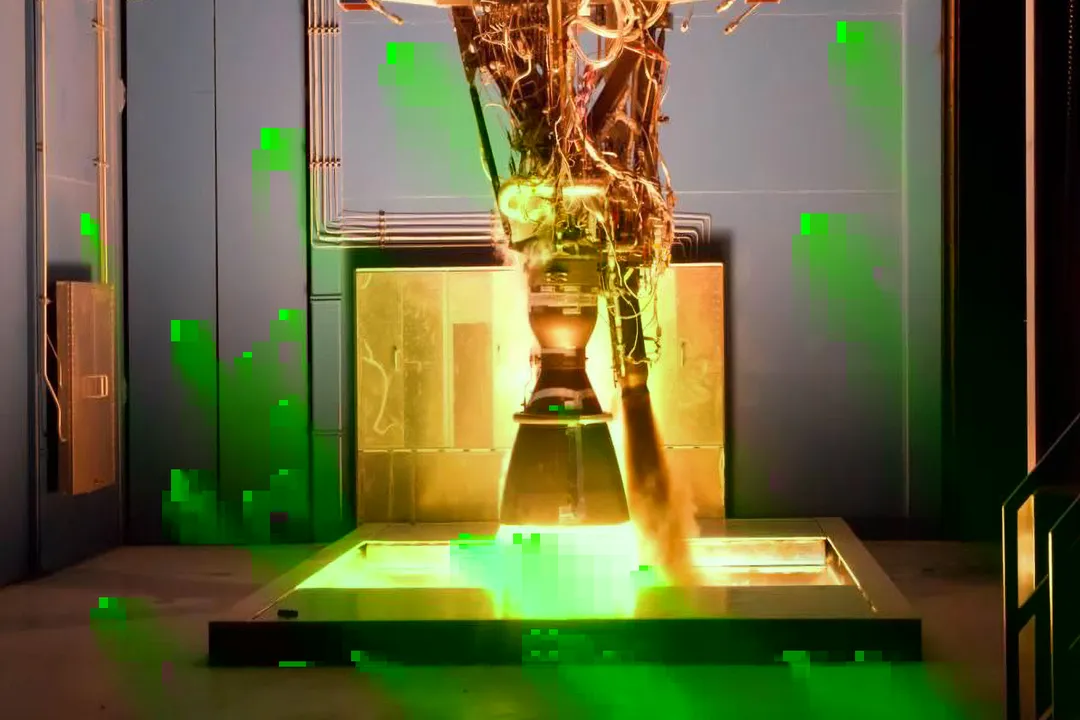
When SpaceX began developing Starship, the equation changed, moving from an Earth-to-LEO (Low Earth Orbit) focus to a fully reusable system designed explicitly for deep space missions, especially to Mars. [1] This shift in objective heavily influenced the decision to adopt liquid methane () over continuing with or adopting . [10]
The Raptor engines, which power Starship, were specifically designed to burn and . [8] While still possesses a theoretical performance advantage (higher specific impulse) over in terms of pure exhaust velocity, methane offers a better overall engineering compromise for the Starship architecture. [1][9]
Liquid methane is denser than liquid hydrogen (approximately for methane versus for hydrogen). [9] This means the propellant tanks for a methane-fueled Starship do not need to be as voluminous as they would if it were -fueled to carry the required mass. [1] This reduced tank size directly contributes to a lighter, more compact vehicle, which is a major advantage, especially when planning for Mars landings. [1]

# Hydrogen Handling Difficulties
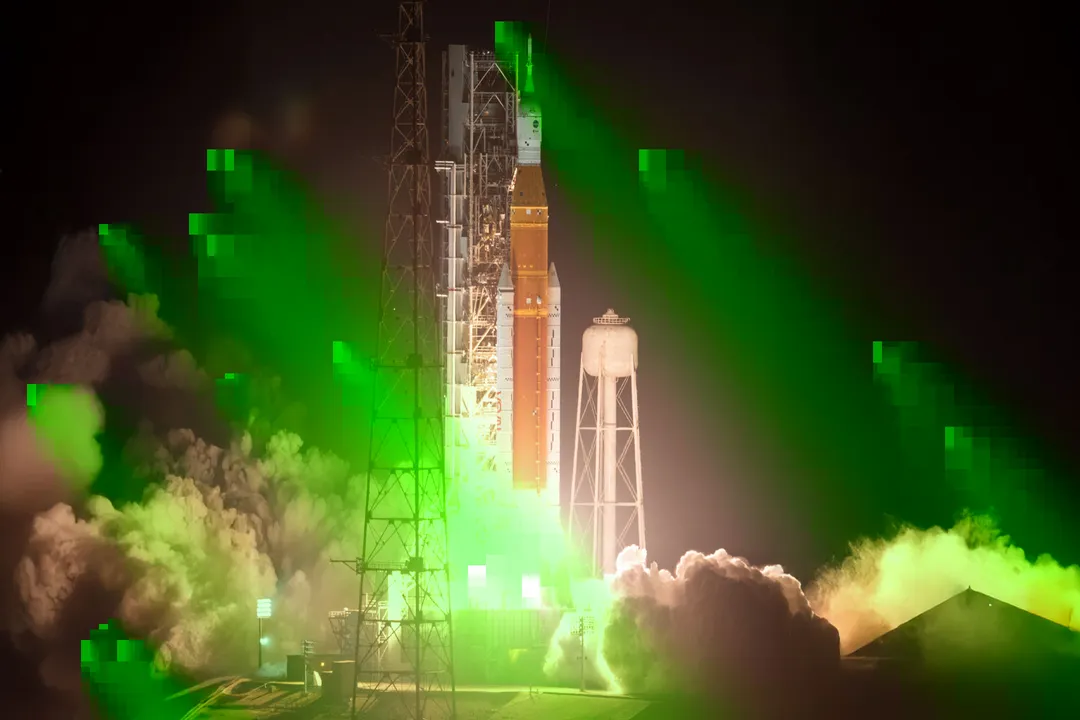
The inherent characteristics of liquid hydrogen present several hurdles that SpaceX has opted to avoid by selecting methane. [2] One of the most significant practical issues is hydrogen embrittlement. Hydrogen atoms are very small and can diffuse into many common structural metals, making them brittle and susceptible to catastrophic failure under stress, especially at cryogenic temperatures. [2] While specialized, often expensive, alloys can mitigate this, it adds layers of material science complexity and cost to the entire vehicle structure, plumbing, and engine components. [5]
Another major factor is storage time and boil-off. [2] As mentioned, requires temperatures around . Maintaining this temperature over long coast phases in space, or even during multi-day turnaround periods on Earth or Mars, is incredibly demanding. The constant evaporation, or boil-off, means that propellant mass is continually lost unless elaborate, heavy, and energy-intensive cooling systems are employed. [2] Even for missions returning to Earth, the long duration of a Mars transit makes managing boil-off a significant design constraint. [1]
To put this in perspective, if a vehicle is designed for a multi-year round trip to Mars, the need to keep from evaporating substantially shrinks the usable propellant margins compared to a denser, albeit less energetic, fuel like methane. [1]
# Methane's Mars Advantage
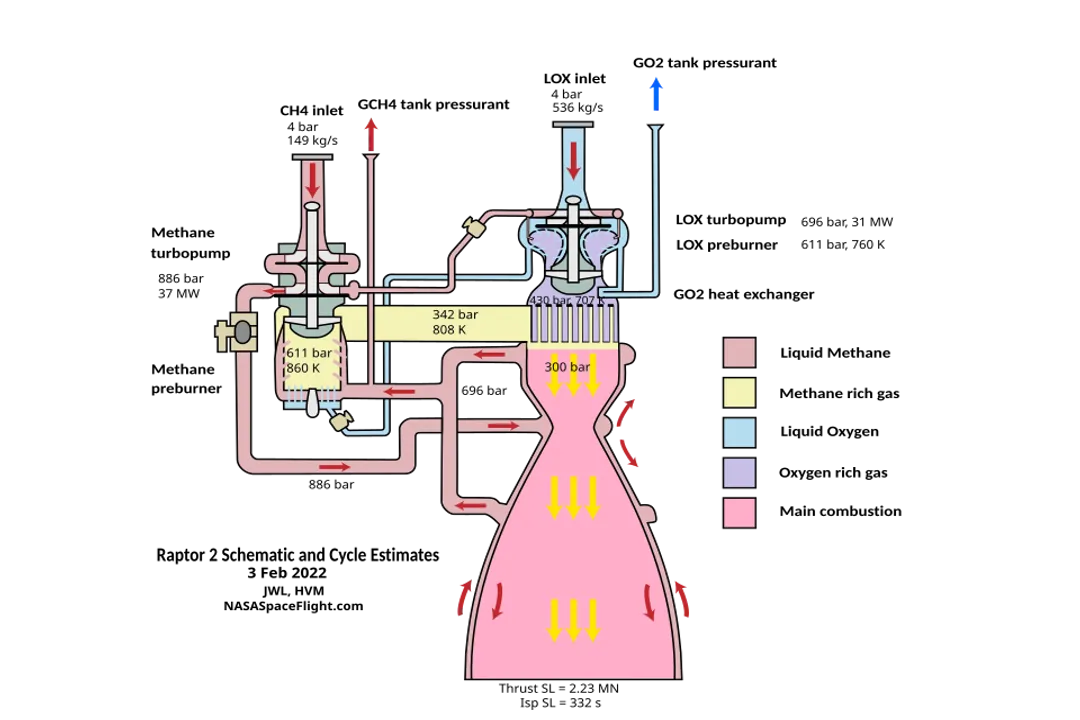
The ultimate tie-breaker in the propellant debate for Starship is the "Mars factor." SpaceX's primary ambition for Starship is to create a self-sustaining colony on Mars. [1] This requires the ability to refuel on the Martian surface for the return trip or for subsequent missions. [1]
This capability is called In-Situ Resource Utilization (). [10] Methane is far more amenable to than hydrogen. On Mars, exists abundantly in the atmosphere. [1] Through a process known as the Sabatier reaction, this atmospheric can be reacted with hydrogen, which would need to be brought from Earth initially, to produce methane () and water (). [1][10] The water can then be electrolyzed to create more hydrogen and oxygen (), closing the loop for both fuel and oxidizer. [10]
While could theoretically be produced on Mars from water electrolysis, the process to gather and subsequently generate the massive quantities of hydrogen needed for refueling would be significantly more complicated and energy-intensive than generating methane directly via the Sabatier process. [1] Methane sits in a sweet spot: it offers performance substantially better than , is denser than (reducing tank size), and is chemically compatible with a relatively straightforward Martian process. [10]
This pragmatic approach means that for the long-term vision, the slightly lower specific impulse of methane is an acceptable trade-off for easier handling, better density, and the critical capability to make more fuel on the destination planet. [1]
# Propellant Property Comparison
To better visualize the engineering decisions, comparing the key properties of the three main propellants discussed highlights the trade-offs involved in rocket design:
| Property | (Kerosene) | Liquid Methane () | Liquid Hydrogen () |
|---|---|---|---|
| Density () | |||
| Boil-off/Storage | Storable (moderate temps) | Cryogenic () | Deep Cryogenic () |
| Specific Impulse () | Lowest | Medium/High | Highest |
| Engine Cleanliness | Soot/coking residue | Cleaner burning | Very clean |
| Mars ISRU Compatibility | Poor | Excellent (via Sabatier) | Requires more complex initial feedstock |
The table clearly illustrates why works for Falcon 9 (high density, easier storage) but why it was insufficient for Starship's Mars goals, and why , despite its performance edge, presents too great a handling burden for SpaceX’s near-term architecture. [1][9] Methane successfully bridges the gap between the density of kerosene and the performance of hydrogen. [10]
# Engine Life and Reusability
Beyond the immediate fuel tank issues, the combustion process itself influenced the switch to methane for Raptor engines. [8] combustion leaves behind carbon deposits (soot), which can foul engine components over repeated use. [3] While SpaceX has engineered ways to manage this for the Merlin engines, a cleaner-burning propellant reduces wear and tear, potentially lowering maintenance costs and increasing the lifespan of expensive components like turbopumps and injectors across dozens or hundreds of flights. [3]
Liquid hydrogen burns very cleanly, which is a point in its favor, but the engineering challenge of managing its extreme cryogenics often outweighs the benefit of cleanliness when methane can achieve near-clean combustion with better density. [9] Methane offers a pathway to high-performance, highly reusable engines—a core tenet of the Starship program—by minimizing propellant-related fouling while avoiding the logistical nightmare of storage. [8] This focus on reducing maintenance and increasing turnaround time is perhaps an underappreciated aspect of the propellant selection; speed between flights is as valuable as peak performance on any single flight. [6]
Considering the sheer volume of propellant required for orbital refueling operations, every kilogram saved on insulation, plumbing, or tank structure due to higher propellant density translates into a massive cost saving and increased payload capacity over the vehicle's operational life. [1] A theoretical $10%$ gain in specific impulse from hydrogen might not compensate for a $30%$ increase in vehicle dry mass required to house the tanks and associated cooling systems. SpaceX's decision to use methane is fundamentally a calculation that prioritizes mass fraction and operational practicality over the absolute, idealized performance metric of when deep-space sustainment is the end goal. [1]
# Future Outlook
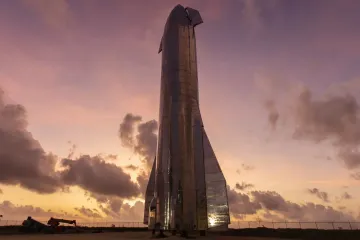
While is not part of the current or immediate future plans for SpaceX, it remains a viable propellant for certain classes of spacecraft or one-off missions where the performance gain is absolutely paramount and the storage duration is relatively short. [9] For instance, upper stages or specific deep-space probes might still find hydrogen preferable. However, for the high-cadence, rapid-turnaround, and in-situ refuelable architecture SpaceX is building with Starship, has been decidedly sidelined in favor of its slightly heavier but far more manageable cousin, methane. [10] The reality of rocketry, especially when aiming for interplanetary capability, is that the 'best' fuel is rarely the one with the highest theoretical efficiency; it is the one that makes the entire mission architecture achievable and sustainable. [2]
#Videos
Why SpaceX is Using a New Fuel - YouTube
Related Questions
#Citations
Why can't starship use Hydrogen instead of Methane? - Reddit
Here's why SpaceX doesn't use Liquid Hydrogen.
Why doesn't SpaceX launch its spacecrafts using hydrogen instead ...
What Fuels Do SpaceX Rockets Use? | by Johat A. | Predict - Medium
Why does the Falcon 9 use RP-1/LOx and not LH2/LOx?
Why SpaceX is Using a New Fuel - YouTube
Why use Methane? Why not Kerosene or Hydrogen? - Facebook
SpaceX Raptor - Wikipedia
The Battle of Rocket Fuels in Space Exploration: RP-1 vs. Liquid ...