Do zodiac constellations lie along the ecliptic?
The apparent path the Sun traces across the celestial sphere over the course of a year is precisely what astronomers define as the ecliptic. [1][2] This imaginary line is fundamental to our understanding of celestial motion, representing the plane of Earth’s orbit projected onto the sky. [1] When discussing the zodiac constellations, the relationship is direct and undeniable: these specific groupings of stars are named because they happen to lie along this defined solar track. [3][8]
# The Celestial Track
Understanding the ecliptic requires visualizing Earth's perspective from a fixed point in space, even though we observe it from our moving planet. The ecliptic plane is a great circle on the celestial sphere, meaning it is the largest possible circle that can be drawn on that sphere. [1] It is derived directly from the mechanics of our solar system; it marks the intersection of the Earth's orbital plane with the imaginary sphere surrounding us. [1]
This track is not arbitrary; it is the baseline for measuring celestial longitude, much like latitude and longitude map the Earth's surface. [1] Because the Sun appears to move along this path, its position throughout the year is typically quoted in terms of degrees along the ecliptic, relative to a fixed starting point, often the vernal equinox. [1]
The key concept that links the ecliptic to the zodiac is that the constellations which make up the traditional zodiac are simply the ones that happen to intersect this belt defined by the Sun’s annual movement. [2][3] They are the recognizable star patterns lying in the neighborhood of that projected line. [8]
# Zodiac Groups
The term zodiac itself relates back to this path. Historically, the 12 zodiac constellations were established as the star patterns through which the Sun, Moon, and visible planets appeared to pass. [2][6] These are the specific constellations the Sun traverses as the Earth completes one orbit around it. [8] A list of these 12 constellations includes well-known names like Aries, Taurus, Gemini, Cancer, Leo, Virgo, Libra, Scorpius, Sagittarius, Capricornus, Aquarius, and Pisces. [4]
It is essential to distinguish between the astronomical zodiac constellations and the astrological signs, as this is a common point of confusion. Astronomically, the zodiac refers to the constellations themselves that happen to cross the ecliptic. [2] Astrologically, the zodiac is a division of the ecliptic into twelve equal segments, beginning at the vernal equinox, regardless of where the actual constellation boundaries lie. [2] This means that while the constellations lie along the ecliptic, the astrological signs, which are fixed angular measurements, do not perfectly align with the actual, uneven boundaries of those star fields. [7]
# Alignment Constancy
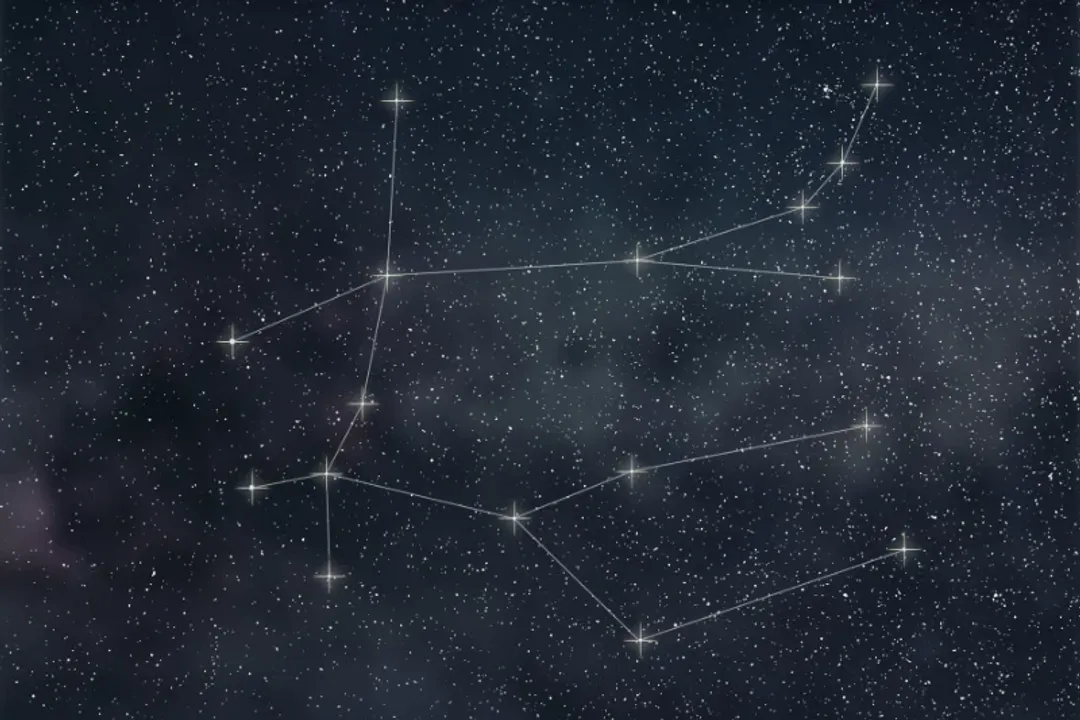
The fact that the zodiac constellations lie along the ecliptic is a direct consequence of how the solar system is currently configured. The planets, including Earth, orbit the Sun in roughly the same flat plane, known as the ecliptic plane. [1] Therefore, when we look from Earth, the Sun, and by extension the major planets, appear confined to this relatively narrow band of the sky. [2]
If the Earth’s orbit were significantly inclined relative to the Sun’s equatorial plane, the definition of the ecliptic would change, and the constellations visible along it would shift over vast timescales. However, for the span of recorded human history, this alignment has been stable enough to form the foundation of both astronomical mapping and astrological systems. [1] An interesting way to consider this stability is to look at the timescale involved; the precession of the equinoxes, caused by a slow wobble in Earth's axis, shifts the apparent position of the constellations relative to the fixed equinox points by about one degree every 72 years. [1] This gradual shift means that while the constellations remain on the ecliptic, their starting points relative to the calendar date change constantly, causing the slow drift between solar system mechanics and traditional astrological birth charts.
# Uneven Occupation
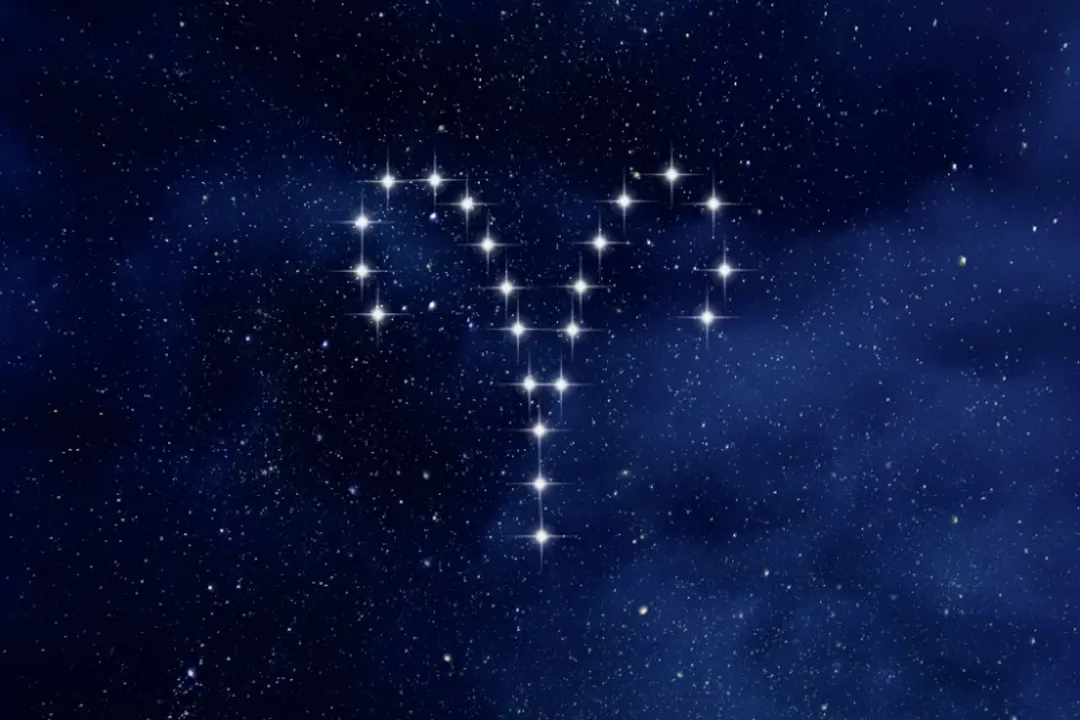
While the answer to whether the constellations lie along the ecliptic is a definite yes, the nature of that occupation is far from uniform. A major difference between the astronomical reality and the neat division of astrology is the actual angular size of the constellations. [7]
The constellations are not equal-sized patches of sky. Some are sprawling, while others are relatively compact. [7] Because the Sun moves at a nearly constant speed along the ecliptic, the amount of time it spends in each constellation is determined by how wide that constellation is along the ecliptic line. [7]
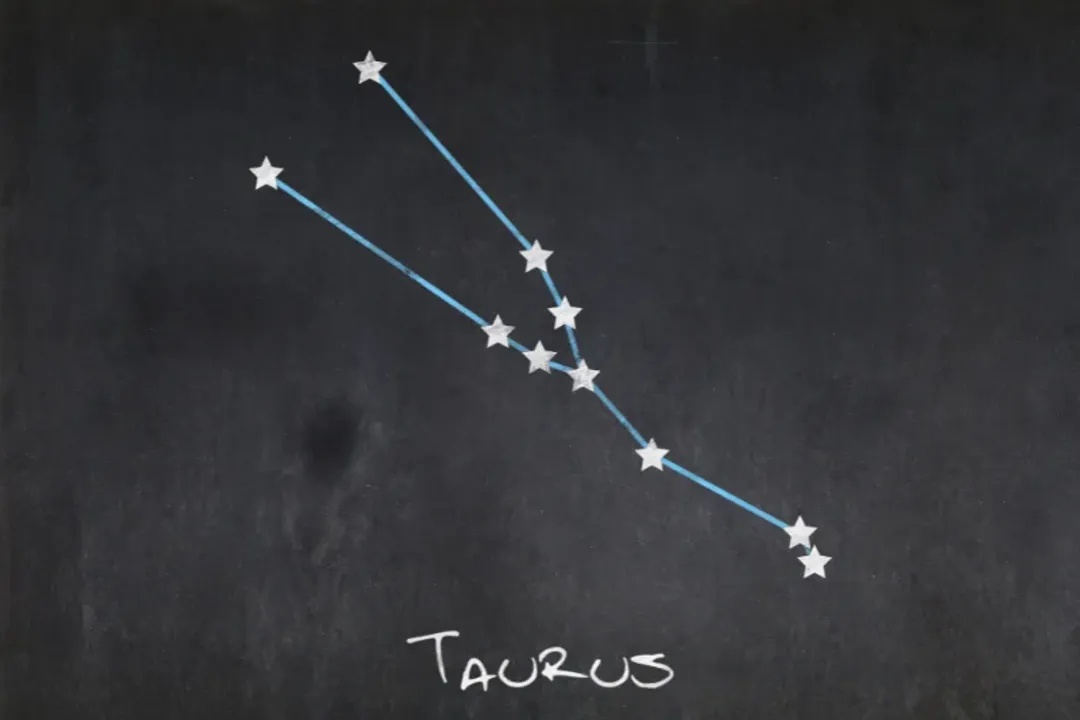
For instance, the Sun spends approximately 45 days in Taurus but only about 6 days in Libra. [7] This disparity shows that the physical boundaries of the star fields dictate the solar "transit time," which is a purely astronomical measurement. [7]
# The Thirteenth Constellation
This unevenness also brings up the subject of Ophiuchus, the Serpent Bearer. If one strictly defines the zodiac as every constellation the Sun passes through on the ecliptic, Ophiuchus must be included. [7] The Sun passes through the boundaries of Ophiuchus between Sagittarius and Scorpius. [7] However, this constellation is consistently omitted from the traditional 12-sign astrological zodiac because the ancient Babylonians, who established the system, divided the ecliptic into 12 equal parts for calendar and ritual purposes, excluding the thirteenth grouping they recognized. [2][7] This highlights a historical divergence where convenience and division dictated the system, rather than a complete accounting of every star field intersected by the Sun's path. [2]

# Observing the Path
For the general reader trying to connect this astronomical concept to what they see in the night sky, understanding the ecliptic requires a simple shift in perspective. If you are trying to locate where the Sun was on a particular date, you need to look at the sky at night, roughly six months later in the year, looking in the direction opposite the Sun's current position. For example, if you are observing in late June, the Sun is near Gemini/Cancer; therefore, the opposite side of the ecliptic, containing constellations like Capricornus or Aquarius, will be rising around sunset and dominating the southern sky throughout the evening hours. This opposite arrangement makes the ecliptic visible across the entire celestial sphere over the course of a 24-hour cycle, divided between the Sun’s daytime passage and the night sky’s view of the rest of the track.
In summary, the zodiac constellations are intrinsically linked to the ecliptic because they are defined by it. [8] The ecliptic is the physical plane defined by Earth's orbit, and the zodiac constellations are simply the celestial markers the Sun appears to pass through as our planet circles it. [1][3] While astrology has formalized this relationship into equal angular measures, astronomy recognizes the constellations as natural, varying patches of sky lying directly upon that ancient, fundamental solar track. [7]
#Videos
The Ecliptic: Crash Course Kids #37.2 - YouTube
Related Questions
#Citations
Ecliptic - Wikipedia
How the Ecliptic and the Zodiac Work - Space
ELI5: The ecliptic and the zodiac : r/explainlikeimfive - Reddit
The 12 Zodiac Constellations and Their Origins - Centre of Excellence
The Ecliptic: Crash Course Kids #37.2 - YouTube
Constellations that lie along the ecliptic are known as zodiac ...
Do all of the zodiac constellations occupy equal lengths along the ...
What is meant by sun's path through zodiac
Exploring the 12 Zodiac Constellations and Their Meanings