Can Venus be seen in the western sky?
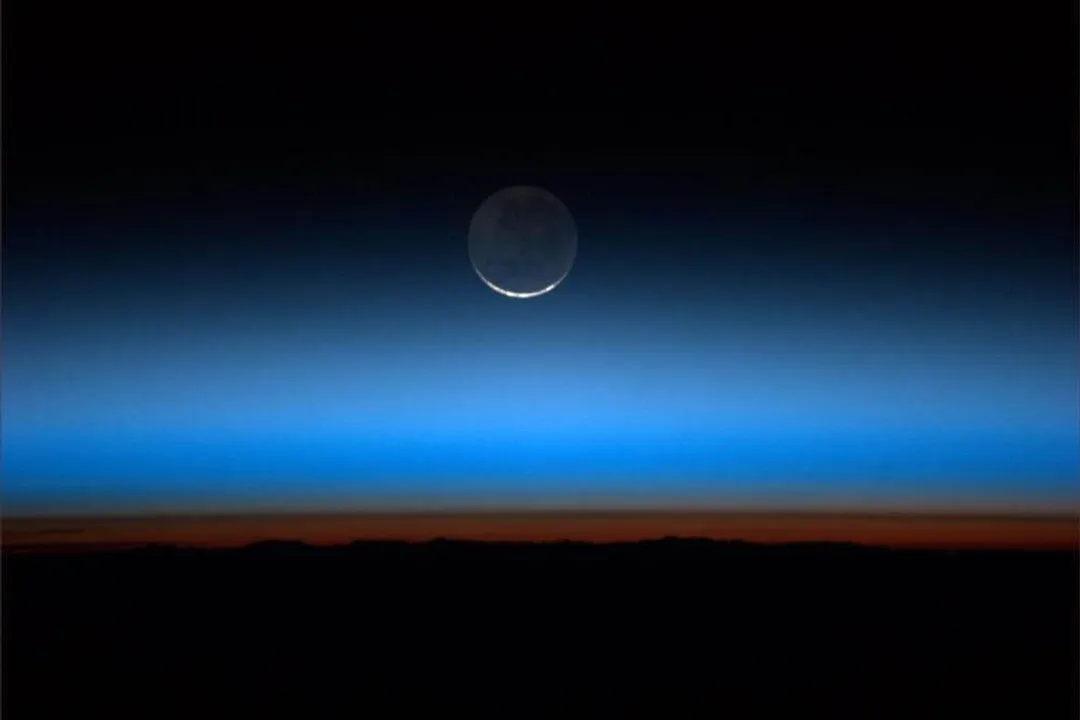
That intensely bright point of light hanging low in the sky shortly after the Sun dips below the horizon is often Venus. For casual observers, the answer to whether Venus can be seen in the western sky is a definite yes, but this appearance is cyclical, dictated entirely by the planet’s tight orbit around the Sun. [2][9] Because Venus is the second planet from us, hugging the Sun in our view, it never ventures far from the Sun’s glare, meaning it can only ever be seen low in the sky near sunrise or sunset. [2][6] When it follows the Sun down in the evening, it becomes the famous Evening Star, a brilliant beacon blazing in the western quadrant. [9]
# Stellar Brightness
Venus truly earns its reputation as one of the most spectacular naked-eye sights. It is frequently the third-brightest object in the sky, outshining everything except the Sun and the Moon. [1][5] Its incredible luminance stems from its proximity to Earth and its thick, highly reflective atmosphere, which is shrouded in bright clouds. [3][6] On occasion, when Venus is at its closest and brightest, it can be so brilliant that it is capable of casting faint shadows on Earth, a phenomenon few terrestrial objects can claim. [5] This makes it a prime target for anyone new to looking up, as it is almost impossible to mistake for a typical star. [5]
# Orbital Mechanics
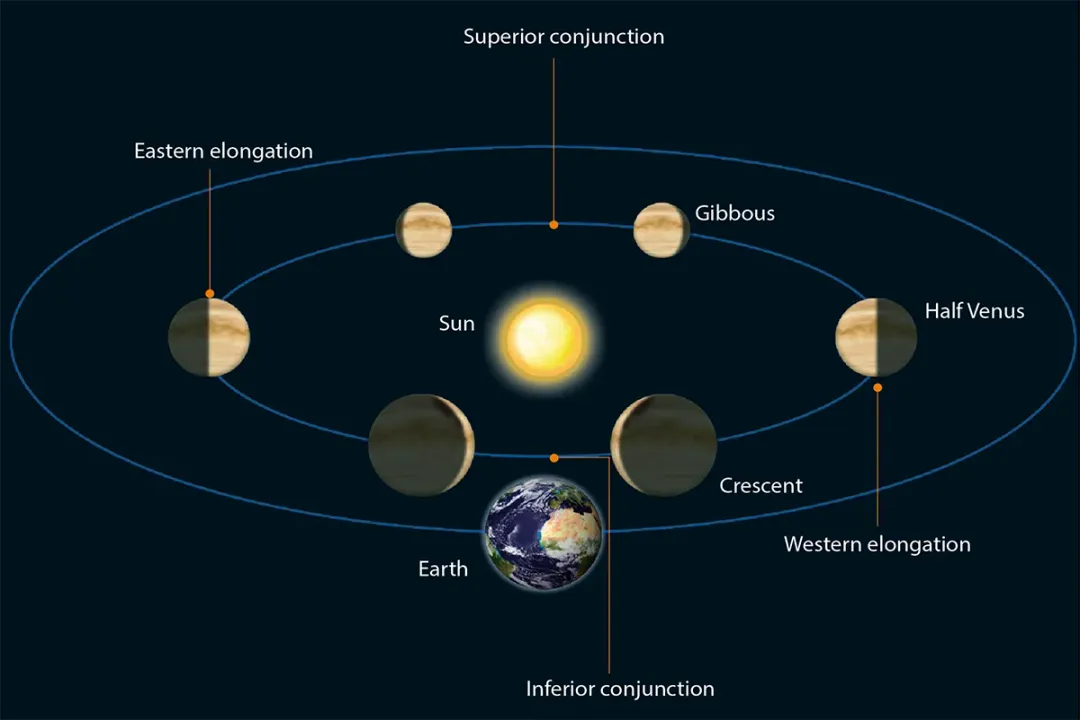
The changing position of Venus across our sky is a direct consequence of its orbit. It never appears in the middle of the night because it cannot drift too far away from the Sun’s position in the heavens as viewed from Earth. [6] Astronomers quantify this angular separation using the term elongation. [8] When Venus reaches its greatest elongation eastward, it is at its maximum angular distance from the Sun in the evening sky, placing it perfectly positioned to be seen prominently in the west after twilight. [8] Conversely, when it reaches greatest elongation westward, it appears in the eastern sky before dawn as the Morning Star. [8][9] Between these two points, Venus disappears from view for a period as it passes behind the Sun (conjunction), or reappears close to the Sun before dawn.
# Western Viewing
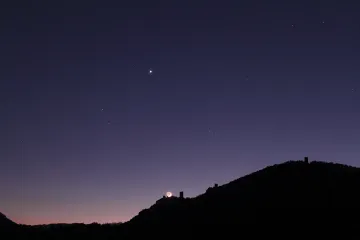
When Venus is situated as the Evening Star, its appearance in the western sky is fleeting but dramatic. [2] The best viewing occurs in the weeks leading up to and immediately following that point of greatest eastern elongation. [8] If you notice a remarkably bright, steady light shining low in the west perhaps an hour or so after sunset, you are likely observing Venus. [2][5] A helpful rule of thumb for gauging the quality of the evening show is to check how long Venus remains visible after the Sun has set. If it sets only 30 minutes after the Sun, it will be low and difficult to spot. However, if it hangs in the sky for two or three hours post-sunset, you have a superior viewing window, indicating it is nearing or has recently passed that peak western separation. [8]
# Lunar Phases
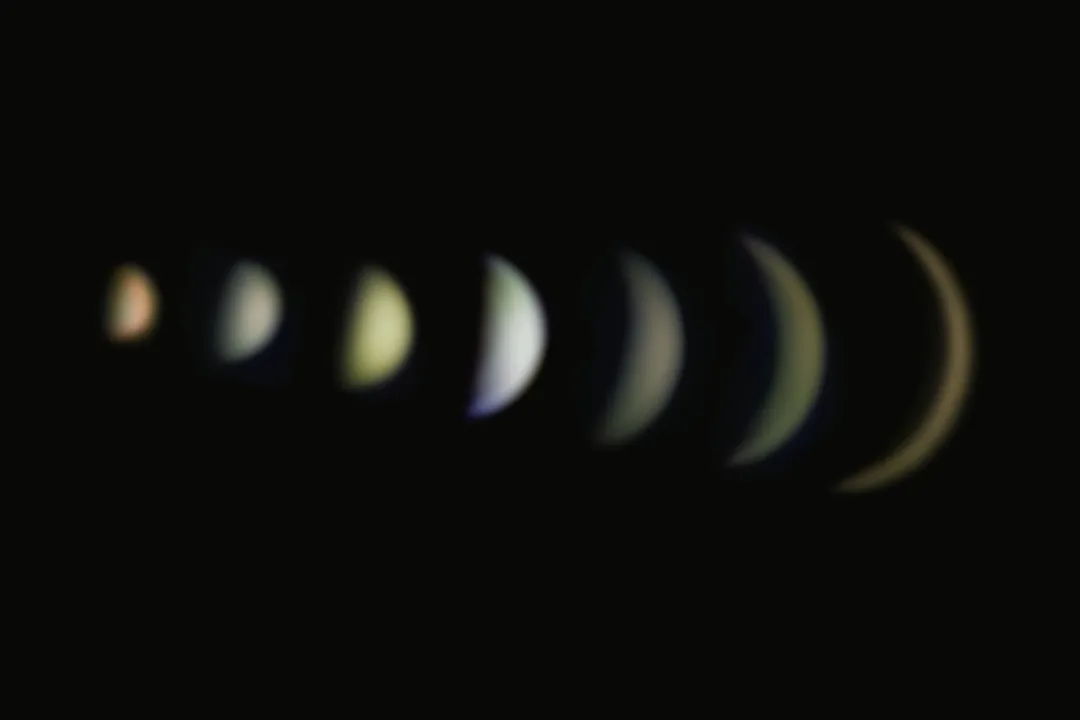
What many casual observers do not realize is that, much like our Moon, Venus cycles through distinct phases as it orbits the Sun relative to Earth. [2] Because Venus orbits inside Earth’s orbit, we observe it reflecting sunlight from different angles as it moves around the Sun. [6] When Venus is far from us but on the far side of the Sun, we see a nearly "full" disk, although it appears small and faint. [2] As it swings closer to Earth, approaching the point between the Earth and the Sun, we see it as a thin crescent, but this crescent appears much larger and can be more easily spotted through a small telescope, even if its overall illumination is reduced. [6] This constantly changing appearance adds a layer of interest beyond just noting its presence in the west.
# Daytime Sighting Potential
Given its extreme brightness, it is sometimes possible to spot Venus even when the Sun is up. [4] This is where visual acuity meets preparation. If you know the precise location and time Venus will be in the sky—perhaps using an astronomy application to plot its path—and the sky is very clear, its light can pierce the blue background. [4] Seeing Venus during the day requires looking for it relatively close to the Sun's position, but still far enough away to avoid direct glare. For this kind of viewing experience, it is much easier if the planet is near its maximum brightness, which often coincides with a relatively large crescent phase, rather than its full phase. [4]
# Atmospheric Context
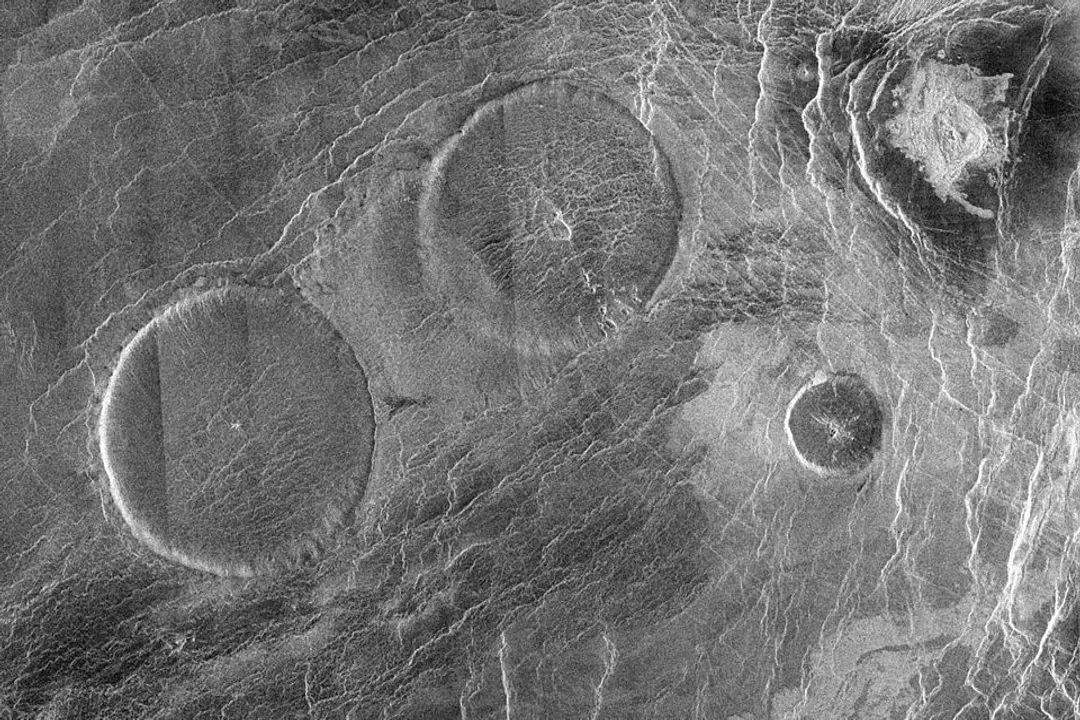
Understanding what you are seeing requires knowing a bit about the planet itself. Venus is often called Earth's "sister planet" because of its similar size, but the similarities end there. [6] Its surface temperature is scorching hot, hot enough to melt lead, due to a runaway greenhouse effect caused by an atmosphere composed of about 96% carbon dioxide. [6] Furthermore, Venus spins very slowly and backward compared to most other planets; its day is longer than its year. [6] This dense, acidic atmosphere is what causes that brilliant, uniform reflectivity that makes it the Evening Star we admire in the western sky.

# Avoiding Confusion
When you spot that exceptionally bright object in the western sky, it is natural to wonder if it might be a satellite or an aircraft. [5] One key indicator that separates Venus from terrestrial objects is its light quality. Because Venus is a planet, it reflects sunlight and appears as a disk, even if that disk is too small for the naked eye to resolve. [4] This means its light tends to shine with a steady, unwavering gleam. [4] In contrast, stars appear to twinkle because their pinpoint light passes through more turbulent layers of Earth’s atmosphere, causing apparent shifts in position and brightness. If the bright light is steady, you can be highly confident you are looking at Venus, or perhaps Jupiter, rather than a twinkling star or a blinking airplane. [4] If you are tracking it over several nights, you will also notice that its position relative to the fixed background stars changes significantly over weeks, unlike a true star.
Related Questions
#Citations
Visible planets and night sky guide for December - EarthSky
The bright point of light in the west after sunset is Venus
Venus - Wikipedia
How can we see Venus from Earth during nightime if we're ... - Reddit
That bright light you can see in the western sky? That's Venus
Venus: Facts - NASA Science
Night Sky Update: February 1-9, 2025 - Saint Louis Science Center
Why Venus is called the morning star or the evening star