Can the solar storm affect humans?
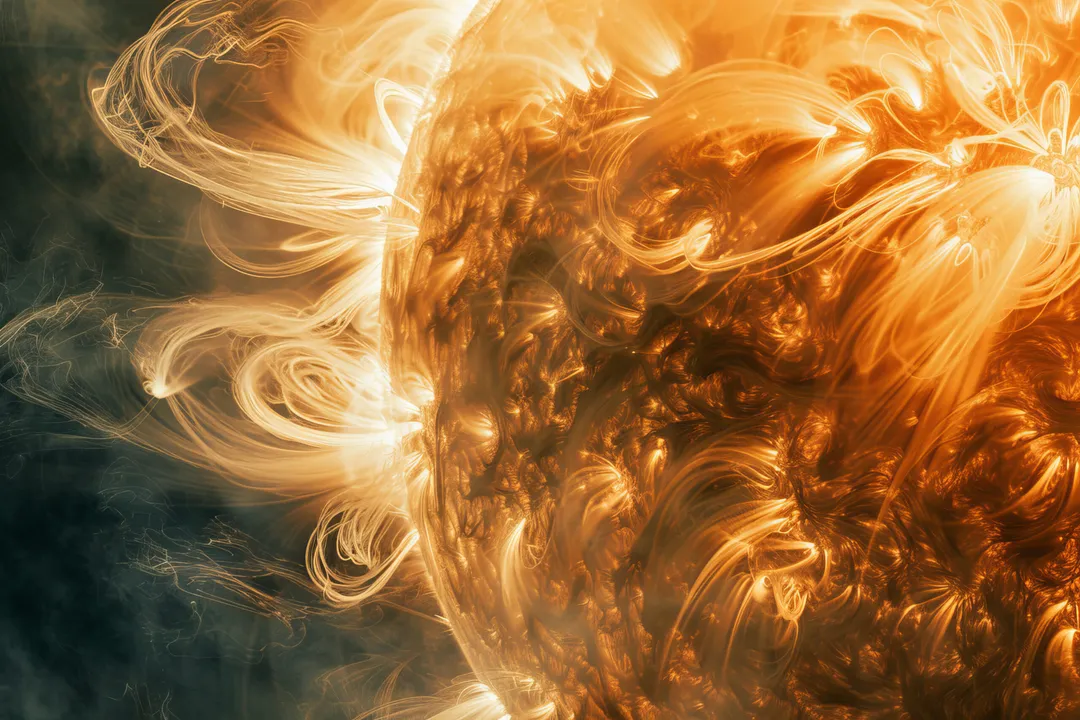
The sky offers a constant, silent display of activity, but sometimes the processes on the Sun release energy that travels millions of miles to impact Earth. These events, often called solar storms, encompass phenomena like solar flares and coronal mass ejections (CMEs). [5] While much of the public discussion revolves around the potential for power grid failure and satellite malfunctions, a more personal question often arises: can these massive releases of energy actually affect human health directly? The scientific community is actively studying this, drawing lines between undisputed atmospheric interactions and the subtle effects on our biology. [3][6] For most people living on the Earth’s surface, the good news, supported by current understanding, is that the planet’s natural magnetic field and atmosphere offer substantial protection from the most dangerous components of these space weather events. [5][7]
# Space Weather Defined
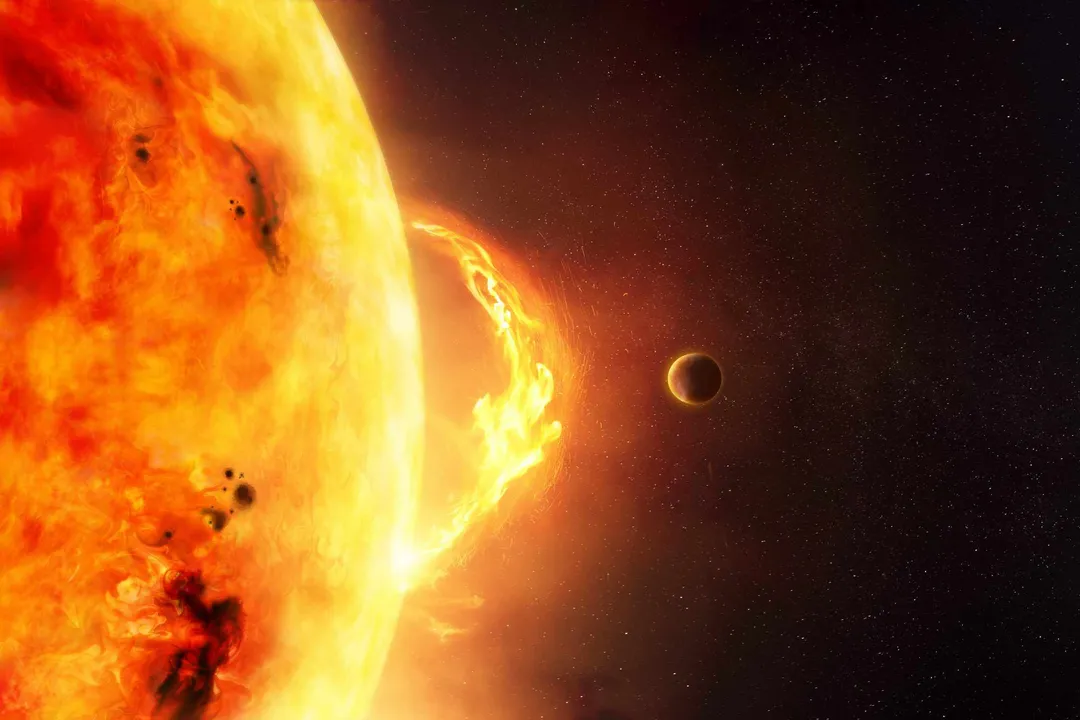
Solar flares are sudden, intense bursts of radiation, whereas CMEs involve massive clouds of solar plasma ejected into space. [5] When these magnetized plasma clouds reach Earth, they can compress our planet’s magnetic field, causing what is known as a geomagnetic storm. [7] The danger from radiation exposure is most pronounced for astronauts and high-altitude aircraft crews, as they operate outside the filtering effect of the dense lower atmosphere. [5] For the vast majority of humanity, the direct transmission of high-energy particles that pose an immediate biological threat is largely mitigated by our protective environment. [5]
# Surface Effects
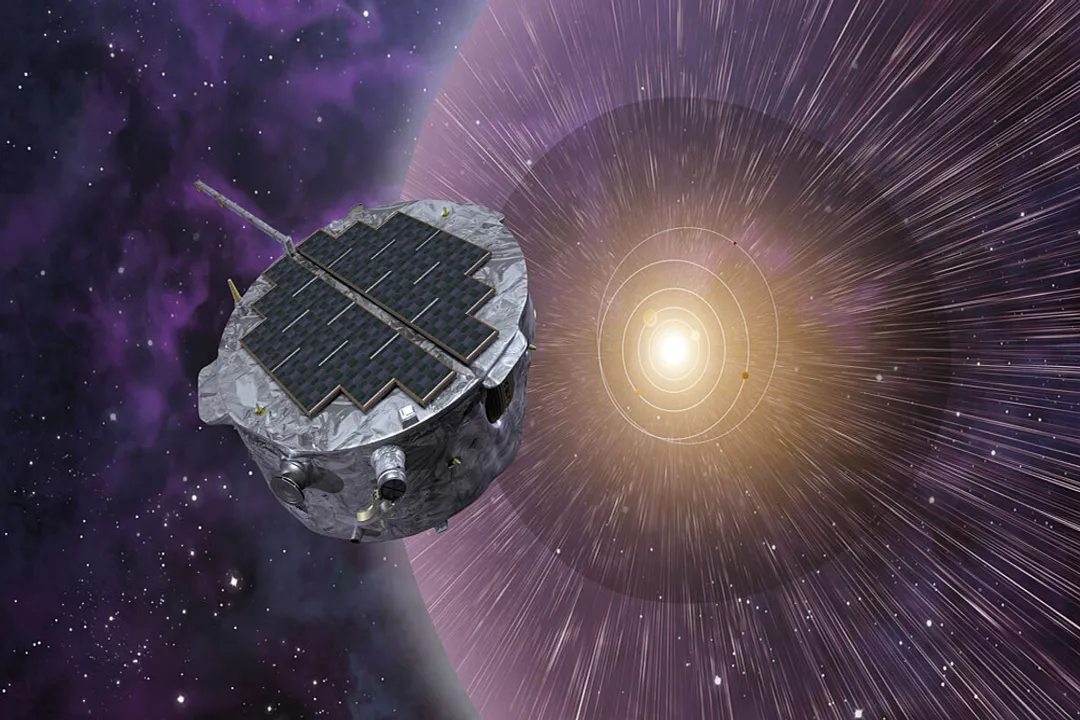
The primary and most certain consequence of a significant solar storm hitting Earth is the disruption of our technology, which then cascades into terrestrial problems. [7] Geomagnetic storms induce currents in the ground that can overload power transmission lines, leading to widespread blackouts. [7] These induced currents represent an energy transfer that does interact with ground-based systems, but the question remains whether this energy interaction is sufficient to cross the threshold from technological disruption to direct physiological harm for a person standing on the ground. [1][7]
This is where the scientific investigation becomes more nuanced. While the direct, high-energy particle threat is shielded, scientists are examining whether the rapid fluctuations in the Earth’s electromagnetic field during a geomagnetic storm—the electromagnetic signature of the storm—can influence biological processes. [3][6] Some research points to correlations between heightened geomagnetic activity and changes within the human nervous system, suggesting that even these subtle field shifts might not be entirely inconsequential to our biology. [6]
# Nervous System Links
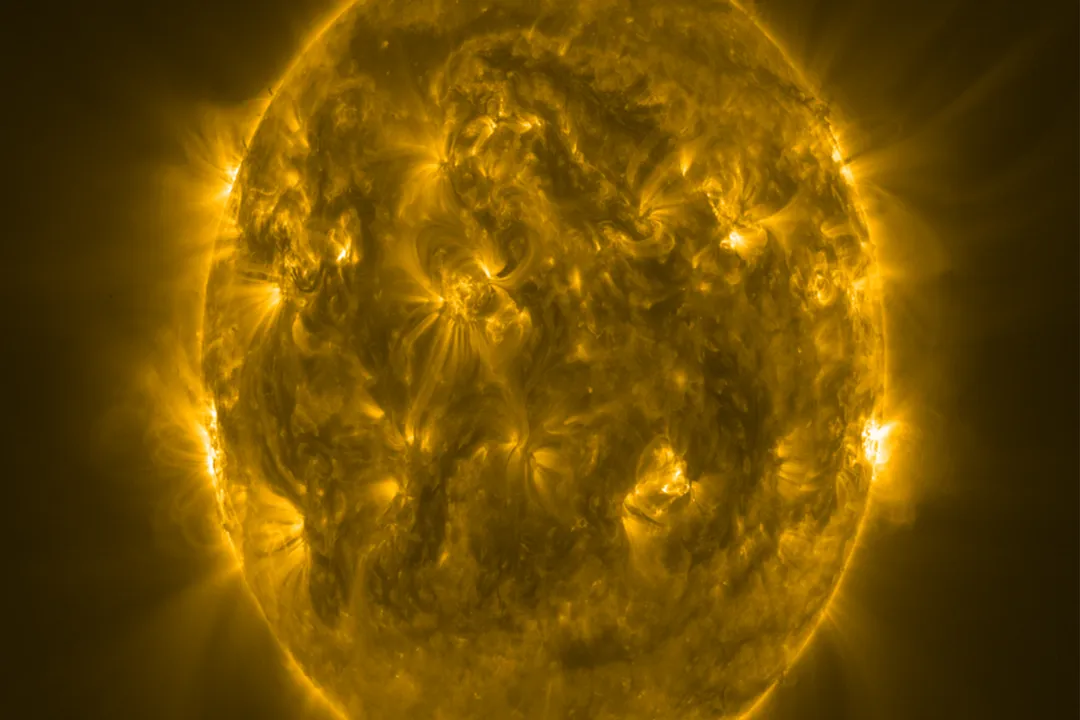
The idea that our nervous system, which relies on delicate electrical signaling, could be sensitive to external electromagnetic noise is plausible. [3] Several studies have attempted to map these connections. One area of focus involves analyzing the cardiovascular and central nervous system responses during geomagnetic storms. [3] The data suggests that variations in geomagnetic activity correlate with measurable changes in human physiological systems. [3][6] These studies are attempting to move beyond anecdotal reports to find statistically significant patterns linking solar storm timing to biological markers. [3]
However, it is important to contrast this emerging research with the general consensus regarding immediate danger. While changes in the nervous system are being investigated, this is distinct from immediate, life-threatening injury caused by the storm itself. [1] Skeptics, often working within physics or engineering domains, might note that the ambient electromagnetic noise we experience daily far outweighs the minor field variations induced by all but the most extreme geomagnetic events on the surface. [1] Yet, the consistent reporting of such correlations in medical literature suggests that the rate of change or the specific frequency of the disturbance during a storm might be the relevant factor for sensitive biological systems, rather than just the absolute field strength. [3]
# Mental Health Debate
Beyond the measurable nervous system responses, there is interest in how these celestial events might correlate with less quantifiable aspects of human experience, such as mental state or mood. [2] The exploration into the connection between solar eruptions and mental health seeks to understand if mood shifts, feelings of unease, or changes in well-being align with periods of high space weather. [2] Some reports have hinted at associations between the period of increased geomagnetic activity and subjective reports, such as headaches or alterations in mood. [4]
This area often overlaps with discussions regarding stroke risk, as some analyses have looked for correlations between solar flare intensity and cardiovascular incidents. [4] When evaluating these claims, it becomes crucial to maintain a clear view of correlation versus causation. For example, a person already experiencing stress or suffering from a pre-existing condition might be more susceptible to perceived or actual somatic symptoms during a period of heightened environmental change, even if the initial trigger—the solar storm—is millions of miles away. [2] Separating the genuine physiological effect of electromagnetic changes from the psychological impact of heightened awareness during storm warnings is a persistent challenge in this field of study. [3]
# Risk Hierarchy Analysis
When we consider the potential impact of a major solar storm, it helps to categorize the risks clearly.
| Risk Category | Primary Mechanism | Certainty Level | Affected Population |
|---|---|---|---|
| Infrastructure Failure | Geomagnetically Induced Currents (GICs) | High | Global populations reliant on power/communication |
| Radiation Exposure | High-energy particles | High (for unshielded) | Astronauts, high-altitude flyers |
| Subtle Biological Changes | Electromagnetic field fluctuations | Emerging/Debated | General population (potential) |
| Acute Illness | Direct effects on surface dwellers | Low/Unproven | General population |
The data strongly confirms that the certainty lies with the technology side of the equation. [7] The emerging research focuses on the subtle biological side. [3] A key analytical point here is understanding that the impact on the power grid, even if not immediately life-threatening to an individual, has severe secondary health consequences. A blackout lasting days or weeks quickly becomes a direct threat to life due to lack of refrigeration for medicine, inability to pump water, or loss of climate control. [7] Therefore, an indirect effect stemming from infrastructure failure carries a higher, more demonstrable risk to the average person than the direct electromagnetic effect on the nervous system, which is still being quantified. [3][7]
# Local Preparedness
Given that the most probable way a solar storm impacts daily life is through utility disruption, thinking about local resilience becomes a practical consideration, regardless of one's stance on direct biological effects. For anyone living in an area where emergency services or the local power grid is known to be slow to restore services after a major outage—perhaps due to aging infrastructure or remote location—a preparedness mindset focused on duration is wise. This isn't just about having flashlights; it involves planning for a scenario where refrigeration fails for several days, communication is down, and access to essential services is limited. Considering how long a person or household could comfortably function without any external electronic support—from medical devices to communication—offers a tangible way to mitigate the known consequences of space weather, even if the atmospheric electromagnetic noise doesn't personally cause a headache.
# Scientific Nuance
The scientific sources available present a complex picture where outright dismissal of health effects is not universally held, even if immediate danger is ruled out for surface dwellers. [1][7] The continued publication of studies investigating correlations between geomagnetic activity and physiological markers confirms that this remains a valid area of scientific inquiry. [3][4] It suggests an expert community trying to delineate the threshold at which natural background electromagnetic variability transitions into a biophysical irritant capable of eliciting a response in sensitive biological tissues. For instance, understanding the precise characteristics of the electromagnetic waves that penetrate the atmosphere during a storm—their frequency and amplitude variations—is key to modeling any potential biological interaction. [6] If we map the physical disturbance precisely, we can better isolate whether the human body is simply a sensitive antenna or an actual victim of the space weather's remote touch.
# Future Observation
Ultimately, to move from correlation to causation regarding health effects, future observational science needs to focus on two things: establishing clear dose-response relationships and using more tightly controlled studies that monitor individuals before and during known geomagnetic events. [3] Currently, many findings rely on post-event analysis or large-scale statistical correlations, which are susceptible to confounding factors like changes in ambient light, barometric pressure, or even anticipation of the event itself. [2] The pursuit of understanding how solar storms affect humans is therefore deeply intertwined with advancing our capabilities in magnetospheric physics and bioelectromagnetics simultaneously.
#Videos
Do Solar Storms Affect Humans? - Physics Frontier - YouTube
Related Questions
#Citations
Do solar flares affect the human brain? : r/astrophysics - Reddit
How Solar Eruptions Can Impact Mental Health - The JEM Foundation
Influence of electromagnetic fields on the circadian rhythm
Solar Flares: Can Geomagnetic Storms Affect Your Health?
Solar Storms and Flares - NASA Science
Study finds solar storms cause changes in the human nervous system
Should you be worried about solar storms? | The Planetary Society
Do solar storms lead to increased hospital visits? - FOX Weather
Do Solar Storms Affect Humans? - Physics Frontier - YouTube
Effects of geomagnetic activity variations on the physiological and ...