Can humans be affected by solar flares?
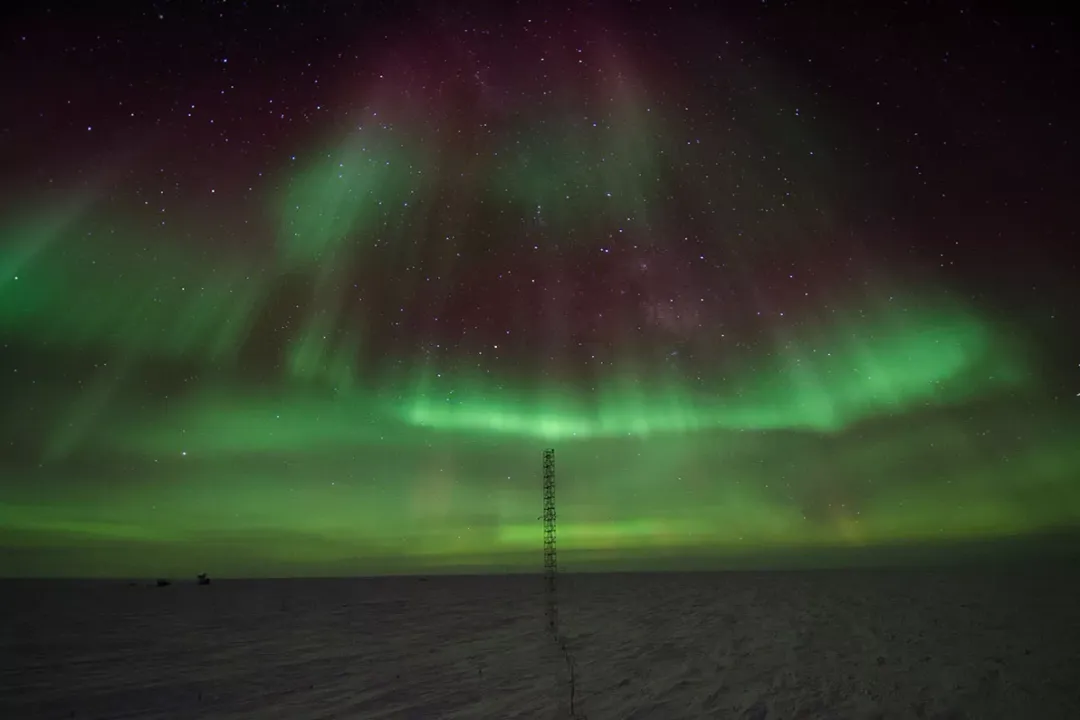
Solar activity occurs in predictable cycles, yet the sudden, intense bursts of energy known as solar flares often spark public curiosity and concern. When the sun releases these massive eruptions of electromagnetic radiation, they travel through the solar system and interact with the environment surrounding our planet. [6][8] While the physical impact on satellite technology and electrical grids is well-documented and scientifically proven, the effect on the human body remains a topic that blends established physics with speculation and anecdotal reporting. [2][10]
Understanding this subject requires a clear separation between the energetic particles that bombard the Earth's atmosphere and the biological reality of human life on the ground. The Earth possesses a magnetic field and a dense atmosphere that act as a shield, protecting the surface from the vast majority of harmful radiation associated with these solar events. [10]
# Space Weather
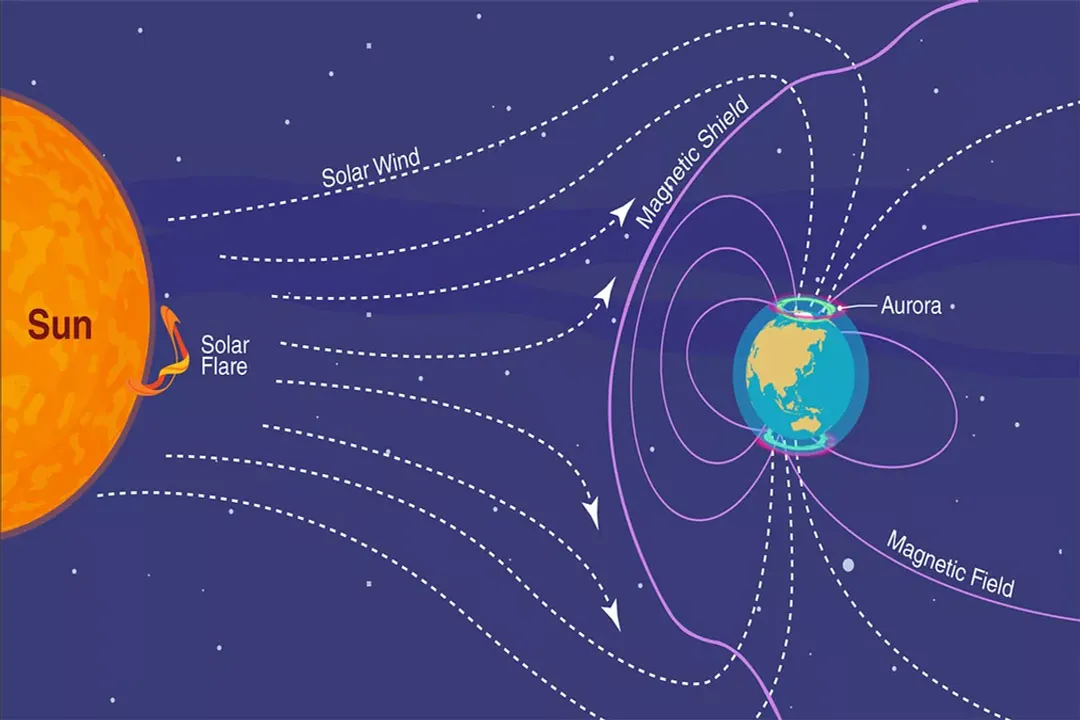
The sun is not a static object; it is a roiling, magnetic furnace that undergoes periodic changes. Solar flares are sudden flashes of increased brightness on the sun, usually observed near its active regions. [8] These flares are often accompanied by coronal mass ejections (CMEs), which are massive clouds of solar plasma and magnetic field lines hurled into space. [6] When these clouds interact with Earth's magnetosphere, they cause geomagnetic storms.
These storms are essentially disturbances in the Earth's magnetic field. While they create beautiful visual displays like the aurora borealis, they also introduce high-energy particles into the near-Earth environment. [10] For the average person walking outside, the air remains breathable and the radiation levels generally stay within safe limits. The protective layers of the planet filter out the most damaging components of solar radiation that would otherwise threaten life on the surface. [10]
# Technological Risks
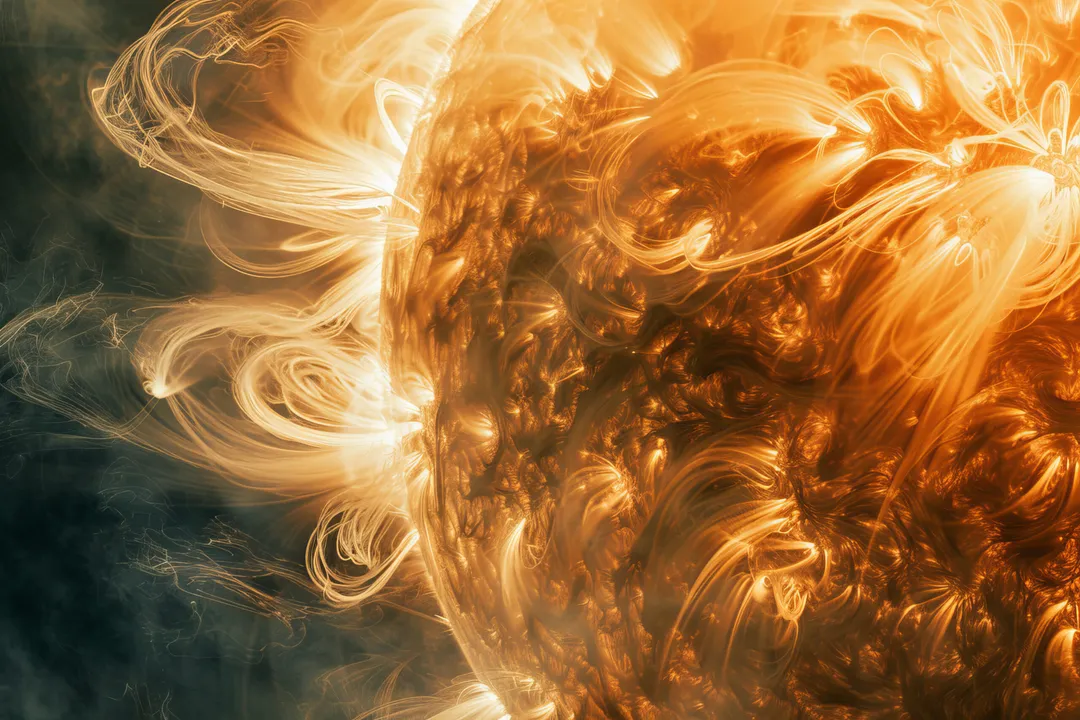
The primary victims of solar activity are the technological systems that define modern civilization. Because these systems rely on electricity and radio waves, they are susceptible to the electromagnetic surges that accompany intense solar weather. [6]
| System Component | Potential Risk | Impact |
|---|---|---|
| Power Grids | Geomagnetically Induced Currents | Risk of transformer failure or blackouts. [8] |
| GPS & Navigation | Signal Scintillation | Reduced accuracy or loss of positioning data. [10] |
| Satellites | Surface Charging/Drag | Damage to electronics or premature orbital decay. [6] |
| Radio Communication | Ionospheric Disturbance | Interruption of high-frequency communications. [10] |
This vulnerability is a primary focus for organizations like NOAA and NASA, which track solar activity to warn utility companies and satellite operators. [10] While a citizen might experience a temporary loss of GPS precision or minor fluctuations in power stability, these are infrastructural inconveniences rather than biological health emergencies.

# Biological Impacts
Public discussion often centers on whether these electromagnetic disturbances can affect human biology. Some people report symptoms such as headaches, fatigue, dizziness, or mood swings during periods of high solar activity. [3][5] From a strict scientific standpoint, the evidence for a direct causal link is minimal. [2]
The human nervous system operates using small electrical signals, which leads to the hypothesis that external electromagnetic fluctuations could interfere with our internal processes. [3] However, the ambient electromagnetic noise generated by a geomagnetic storm is typically far weaker than the background radiation produced by everyday appliances, cellular devices, and household wiring. The body is highly resilient to these environmental fluctuations, and there is no physiological mechanism that would allow solar particles to directly manipulate human cognition or physical health in the way that radio waves affect a copper wire. [9]
# Scientific Perspective
Research into this field often relies on statistical correlation rather than direct causation. [4][9] For instance, some studies have analyzed hospital admission records, looking for patterns that align with geomagnetic disturbances. [4]
Researchers have examined links between solar activity and cardiovascular events, such as strokes or heart attacks, as well as psychiatric admissions. [2][4] Some of these studies identify a statistical alignment where higher rates of certain health events occur during high solar activity. [4] However, these correlations are often debated in the scientific community. Critics argue that these studies struggle to account for variables such as seasonal changes, pollution, or the inherent variability in hospital reporting.
The consensus remains that if a link exists, it is likely indirect. For example, some researchers suggest that disrupted circadian rhythms—perhaps caused by the stress of atmospheric pressure changes or other environmental factors often correlated with space weather—could influence health. [1][9] This differs significantly from the claim that solar flares themselves act as a poison or a direct irritant to the human brain or body.
# Anecdotal Reports
In online communities, individuals frequently share accounts of feeling "off" or experiencing physical discomfort during periods of solar flares. [3][5] These reports are often shared in groups focused on spirituality, wellness, or amateur astronomy. [5] While these accounts are subjective, they are a real part of the human experience during solar events.
Psychologically, the anticipation of a solar event can play a role. When people are aware that a solar flare or geomagnetic storm is occurring, they may become hyper-aware of their own physical state. This phenomenon, known as the nocebo effect, can lead individuals to attribute natural aches, pains, or moods to the solar activity simply because they are expecting an impact. [3] In this sense, the "effect" is real for the person experiencing it, even if the cause is not external solar radiation.
# Risk Assessment
To put the risk into perspective, it is helpful to look at how different environments influence radiation exposure. Astronauts aboard the International Space Station, for example, do face genuine radiation risks because they operate outside the full protection of the Earth's atmosphere. [6] Their exposure is monitored and managed through shielding and strict mission protocols.
For those on the ground, the risk profile is significantly different. We exist at the bottom of a deep atmospheric well. The following analysis helps distinguish between common concerns and actual physical threats:
- Radiation Poisoning: There is no recorded instance of a human on Earth suffering from radiation sickness or acute injury due to a solar flare. The atmosphere absorbs the x-ray and extreme ultraviolet radiation that characterizes these events. [10]
- Neurological Interference: While the brain uses electricity, the sheer scale of the Earth's magnetic field and the human body's own biological dampening mechanisms make it highly unlikely that solar flares can "scramble" human thoughts or trigger headaches.
- Stress and Anxiety: Environmental awareness can cause stress. If tracking solar weather leads to anxiety about potential grid failures or apocalyptic scenarios, that anxiety is a genuine health concern, even if it is triggered by a false perception of solar danger.
# Evaluating Correlations
When reading about studies that suggest a connection between solar activity and health, it is important to check the methodology. A common trap is the confusion of correlation with causation.
Consider the "Circadian Clock" theory. Some researchers hypothesize that geomagnetism might impact the pineal gland, which regulates melatonin. [9] While biologically plausible in a laboratory setting with intense magnetic fields, it has not been definitively proven to occur from natural solar activity at the intensity levels we experience on Earth. Many studies showing a link are based on retrospective data, where researchers look at old hospital records and try to match them up with dates of solar storms. [4] This is a prone-to-error method, as many other factors—like the day of the week, weather, or economic events—could also explain fluctuations in hospital admissions. [4]
For the average individual, the most significant impact of a solar event is not the health of the body, but the health of the devices we depend on. A high-intensity event could cause a temporary outage of GPS or satellite internet. If you rely on technology for navigation or communication, the most practical step is to maintain an analog backup for critical tasks.
# Practical Awareness
The human body is remarkably well-adapted to the natural environment, which includes the constant, low-level magnetic and radiation environment of Earth. While the idea that the sun might directly affect our mood or health is a compelling concept that appears in both ancient lore and modern internet forums, it lacks the empirical support required for medical diagnosis.
Instead of focusing on solar flares as a direct health threat, consider the utility of being an informed observer of space weather. Understanding these phenomena allows for better preparation for the inevitable technological disruptions they cause. The sun is a powerful, dynamic force, but it does not dictate our biological well-being in the way that it dictates the reliability of our power grids and communication satellites.
If you find yourself feeling uneasy during a period of high solar activity, prioritize standard health practices: stay hydrated, ensure you are getting enough sleep, and limit exposure to information sources that may be fueling unnecessary anxiety. These measures are proven to support well-being, regardless of what is happening on the surface of the sun. The solar cycle will continue as it has for billions of years, and human resilience is more than sufficient to handle the environment we have evolved in.
#Videos
Are Solar Flares Affecting Your Health? - YouTube
Related Questions
#Citations
How Solar Eruptions Can Impact Mental Health - The JEM Foundation
Solar Flares: Can Geomagnetic Storms Affect Your Health?
Do solar flares affect the human brain? : r/astrophysics - Reddit
Influence of electromagnetic fields on the circadian rhythm - PMC - NIH
What effects can a strong solar flare have on people? - Facebook
Health, Safety, and Commercial Needs - Space Technology 5
Are Solar Flares Affecting Your Health? - YouTube
Solar Storms and Flares: How the Sun Affects Our Lives - EcoFlow
The effect of solar activity on ill and healthy people under conditions ...
How Does Space Weather Affect Us? | NESDIS - NOAA