What was the biggest NASA fail?
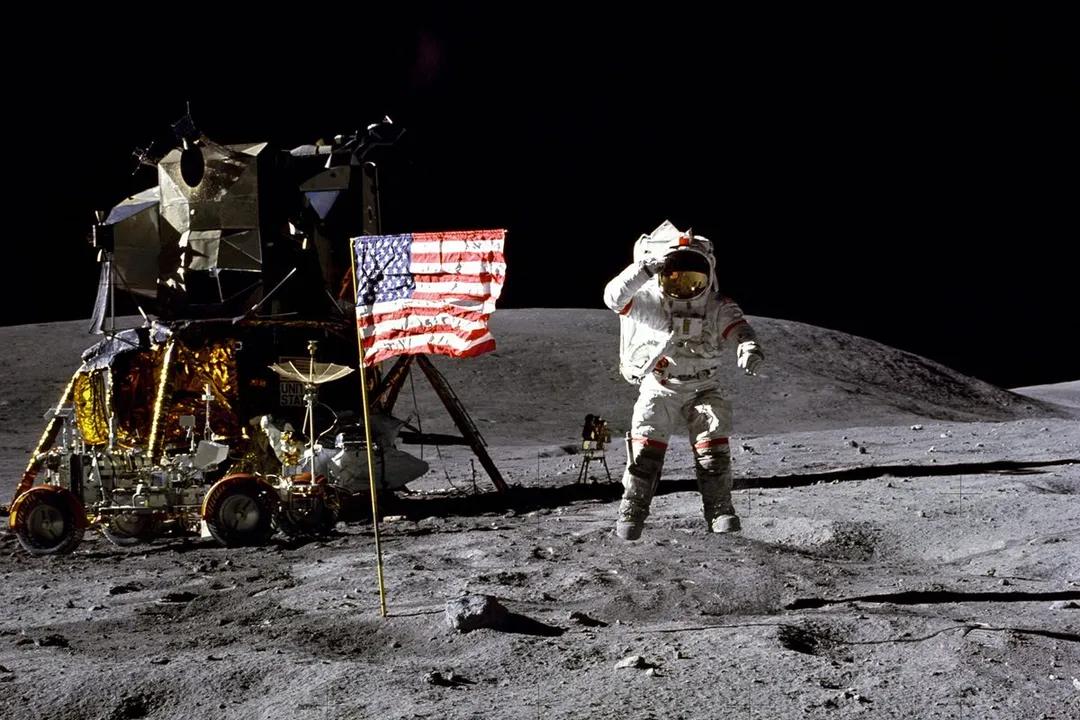
The history of space exploration, particularly for an organization as ambitious as NASA, is intrinsically linked with high-stakes engineering, pushing the boundaries of what is physically possible. This endeavor ensures that triumphs are celebrated with worldwide awe, but setbacks, sometimes catastrophic, are also inevitable features of the record. [2] Identifying the single "biggest" failure is subjective; is it measured by the loss of human life, the financial cost of the lost hardware, or the damage to public confidence? Across decades of missions, several events stand out as significant markers in NASA’s operational history where things went profoundly wrong. [1]
# Manned Catastrophes

When discussing the gravest failures, the two events resulting in the loss of astronauts immediately come to the forefront, representing the ultimate price paid for attempting to conquer the final frontier. [3][4] These tragedies forced the agency to halt operations and conduct deep, often painful, introspection regarding design, testing, and safety culture.
# Challenger Accident
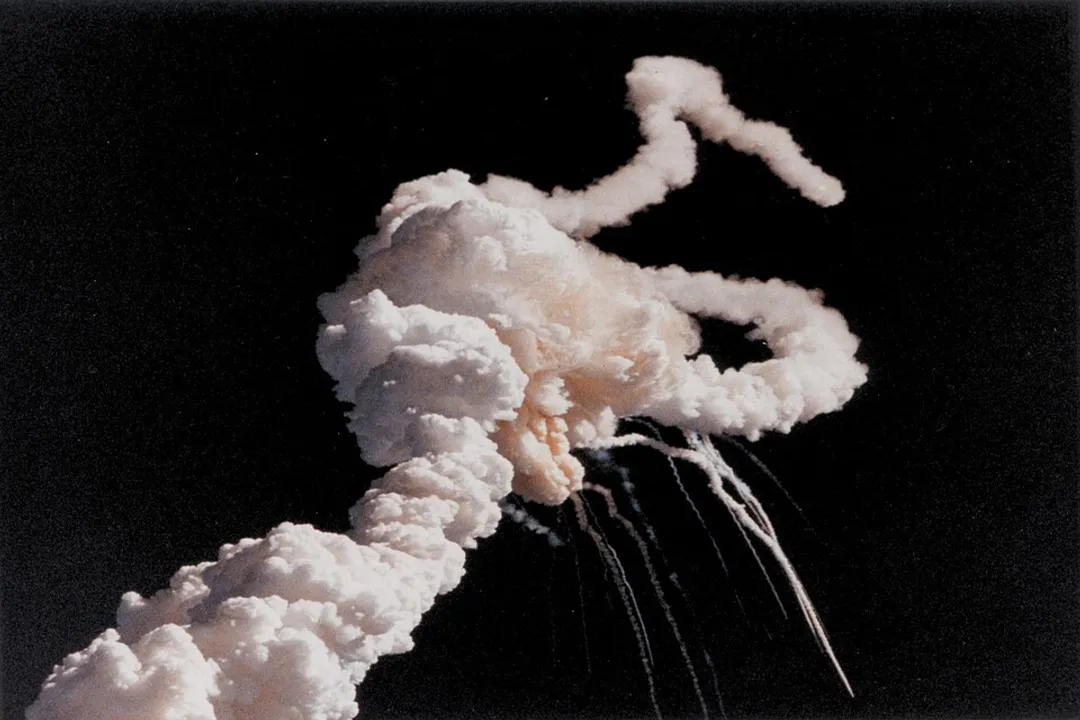
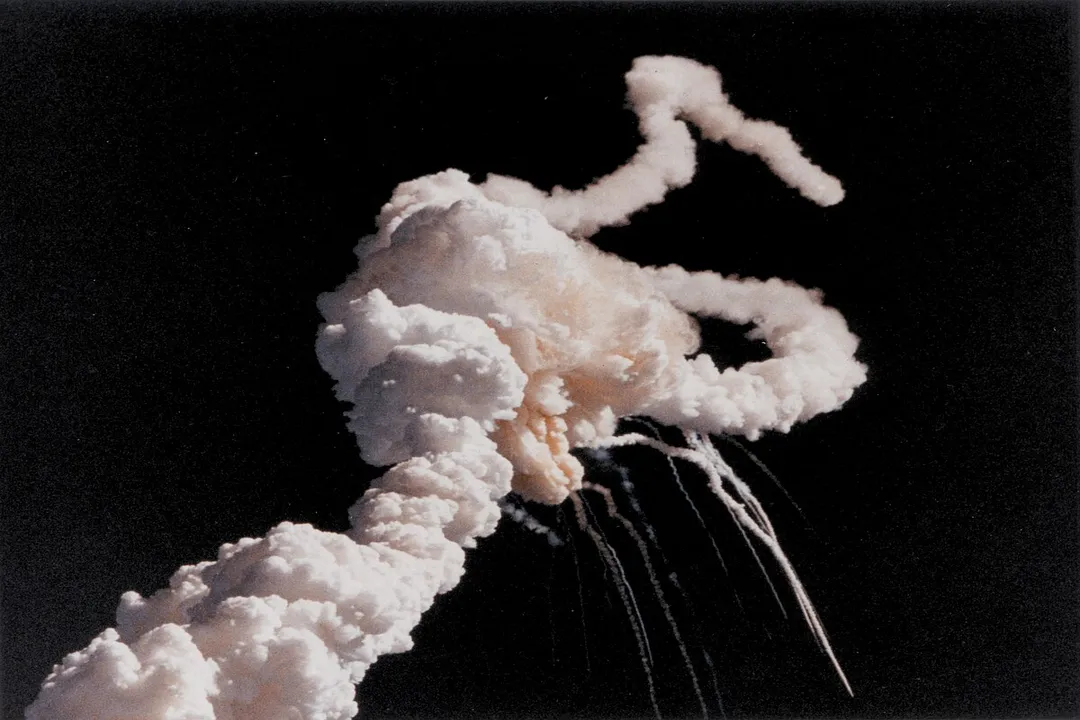
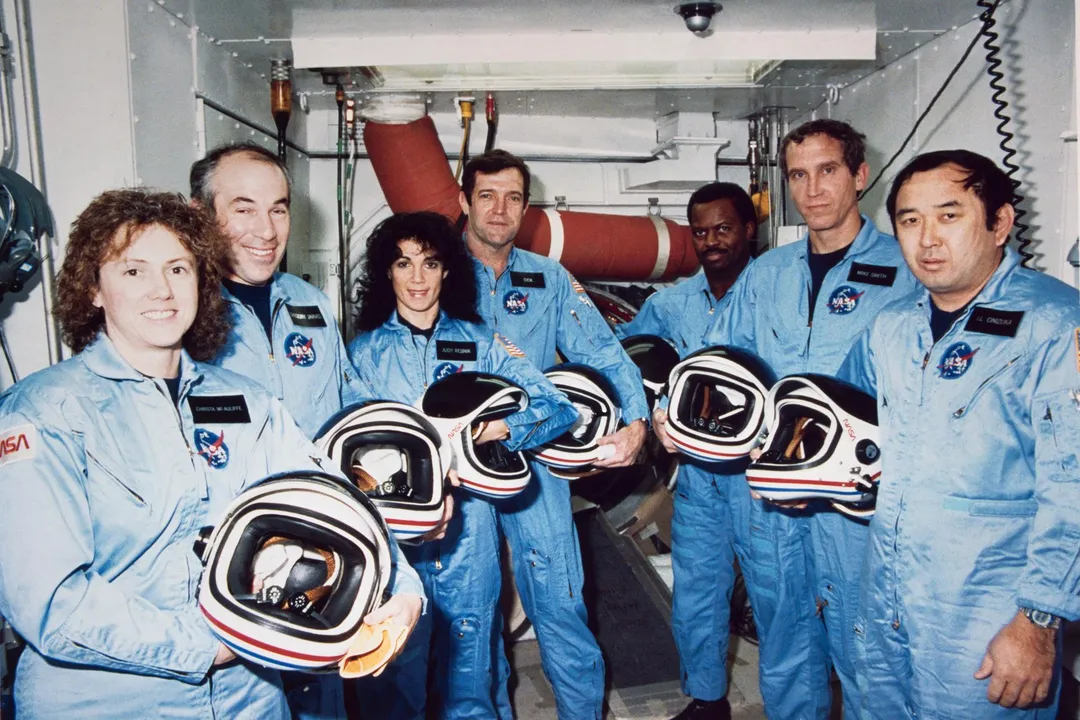
The Space Shuttle Challenger disaster on January 28, 1986, stands as one of the most visible and shocking failures in NASA’s history. [3] The mission, designated STS-51L, saw the shuttle disintegrate 73 seconds after liftoff, resulting in the deaths of all seven crew members, including schoolteacher Christa McAuliffe. [3][9] The subsequent investigation pointed directly to a failure in the right solid rocket booster's O-ring seals. [3] These seals, designed to keep hot gases from escaping, failed to seat properly due to the unusually cold ambient temperatures on launch day. [3]
The failure was not merely mechanical; the investigation revealed significant organizational issues. The Presidential Commission on the Space Shuttle Challenger Accident (Rogers Commission) found that management had overridden safety warnings from engineers at Morton Thiokol, the booster manufacturer, who argued against launching in the cold conditions. [9] This sequence of events demonstrated how technical warnings could become lost within bureaucratic or schedule-driven pressures. The immediate aftermath saw the entire shuttle fleet grounded for nearly three years as NASA worked to redesign and retest the faulty component and address the cultural environment that allowed the warning to be dismissed. [3]
# Apollo Tragedy
A different kind of operational failure marked the early days of the Apollo program: the Apollo 1 fire. [4] This tragedy occurred on January 27, 1967, during a "plugs-out" launch rehearsal on the pad at Cape Kennedy. [4] The pure oxygen, high-pressure cabin environment ignited, quickly overwhelming astronauts Gus Grissom, Ed White, and Roger Chaffee before they could escape the pressurized hatch. [4]
The investigation concluded that a spark likely initiated the blaze, possibly from a faulty wire, which then rapidly consumed the cabin materials, which were highly flammable in the pure oxygen atmosphere. [4] This event was a gut-wrenching realization that the race to the Moon, while inspiring, carried immense, immediate risks that had not been adequately mitigated in the design of the command module's interior. [4] In response, NASA completely redesigned the capsule, changing the atmosphere for ground testing, installing a new, faster-opening hatch, and improving fireproofing, ensuring that the subsequent, successful Apollo missions were built upon a foundation of much stricter safety criteria. [4]
The Challenger failure, a mid-program event, struck at public confidence in a mature system, whereas Apollo 1 was an early, formative failure that fundamentally reshaped the safety doctrine for the entire lunar program. The engineering decisions leading to the material choices in Apollo 1 versus the reliance on degraded seals in Challenger illustrate a shift in the primary risk assessment NASA faced across two different eras of human spaceflight. [3][4]
# Unmanned Failures
While the loss of human life defines the gravity of the shuttle and Apollo accidents, the agency also frequently encounters significant failures in its robotic exploration programs, which represent substantial financial and scientific opportunity costs. [4] These incidents often hinge on software glitches, instrument malfunction, or communication errors.
# Genesis Sample Loss
One example of a costly robotic failure was the Genesis mission, intended to collect samples of solar wind particles and return them to Earth for analysis. [4] The mission successfully collected the samples, but when the capsule began its return descent in 2004, the parachutes failed to deploy correctly. [4] The capsule slammed into the Utah desert at high velocity, destroying most of the valuable collected material. [4] Though some samples were salvageable, the primary objective of returning an intact sample cache was severely hampered by this terminal failure in the return sequence.
# Embarrassing Mishaps
Beyond major losses, the public record is peppered with less catastrophic but highly embarrassing mistakes, often stemming from simple human error in calculation or procedure. [8] These smaller errors, though not resulting in loss of life or major hardware, illustrate the pervasive nature of risk management challenges. While the specific sources provided don't detail the famous Mars Climate Orbiter loss due to imperial/metric unit confusion, the general category of such communication or data handling errors remains a consistent vulnerability, proving that complexity breeds opportunities for oversight, regardless of the mission's scale. [8]
Considering the scope, while the Challenger and Apollo 1 disasters are unparalleled in human cost, the cumulative financial impact of multiple failed robotic missions, which can run into the hundreds of millions or even billions of dollars per loss, presents a different sort of "biggest" failure when viewed strictly through the lens of budget justification and demonstrable scientific return to taxpayers. [4]
# Cultural Learning
The true measure of a major failure isn't just the accident itself, but the quality of the agency’s response—its ability to internalize lessons and fundamentally change behavior. [6] NASA has institutionalized mechanisms to capture this learning, recognizing that hiding errors is far more dangerous than revealing them.
# Reporting Systems
NASA's internal safety programs aim to cultivate an environment where personnel feel safe reporting near-misses, maintenance issues, and subtle deviations from expected performance without fear of reprisal. [6] The Aviation Safety Reporting System (ASRS) is one well-known example where anecdotal evidence and technical details about close calls are logged and analyzed. [6]
The challenge, as highlighted in internal NASA analyses, is that when a program is perceived as successful, there is a natural human tendency to resist suggestions that processes need changing because "if it hasn't failed, why change it?". [6] This creates a cultural friction point: an organization driven by high-profile successes can inadvertently become resistant to the very safety reporting needed to prevent the next failure. Maintaining vigilance requires actively seeking out and valuing data from non-failing missions just as much as studying accidents after the fact. [6] The institutionalization of safety reviews and the creation of specialized bodies like the Aerospace Safety Advisory Panel (ASAP) are attempts to embed this critical, questioning mindset perpetually within the agency’s structure. [6]
# Context of Risk
It is essential to remember that every single NASA mission operates at the very edge of current technology and human endurance, which inherently means the probability of failure is never zero. [2] The failures, while devastating, provide the only real-world data set for improving future designs and operational procedures. The shift in focus after the Challenger accident toward more rigorous testing of every system, coupled with cultural reforms aimed at ensuring dissenting technical voices can be heard, arguably made the later shuttle missions safer, even as the inherent risks remained high. [9]
When looking at modern projects, such as the Boeing Starliner development—which has also faced notable setbacks in testing—the historical record serves as a constant, if somber, reminder that rigorous oversight is required at every stage, from initial design to final launch sequence. [4] Success in space is not a default setting; it is earned through exhaustive verification and a willingness to admit when something is not yet ready for the vacuum above the Kármán line. [2]
#Videos
The Biggest NASA Lie: The Fatal Flaw That Destroyed a Space Shuttle
Infamous NASA Disasters That Were Worse Than You Realize
Related Questions
#Citations
Nasa's biggest failures : r/nasa - Reddit
7 epic failures of NASA in history - Times of India
Space Shuttle Challenger disaster - Wikipedia
NASA's 7 biggest failures: From Apollo 1 tragedy to Boeing Starliner ...
The Biggest NASA Lie: The Fatal Flaw That Destroyed a Space Shuttle
[PDF] Success, Failure, and NASA Culture
10 times space missions went hilariously wrong
Challenger STS-51L Accident - NASA