What happens when astronauts eat spirulina powder?
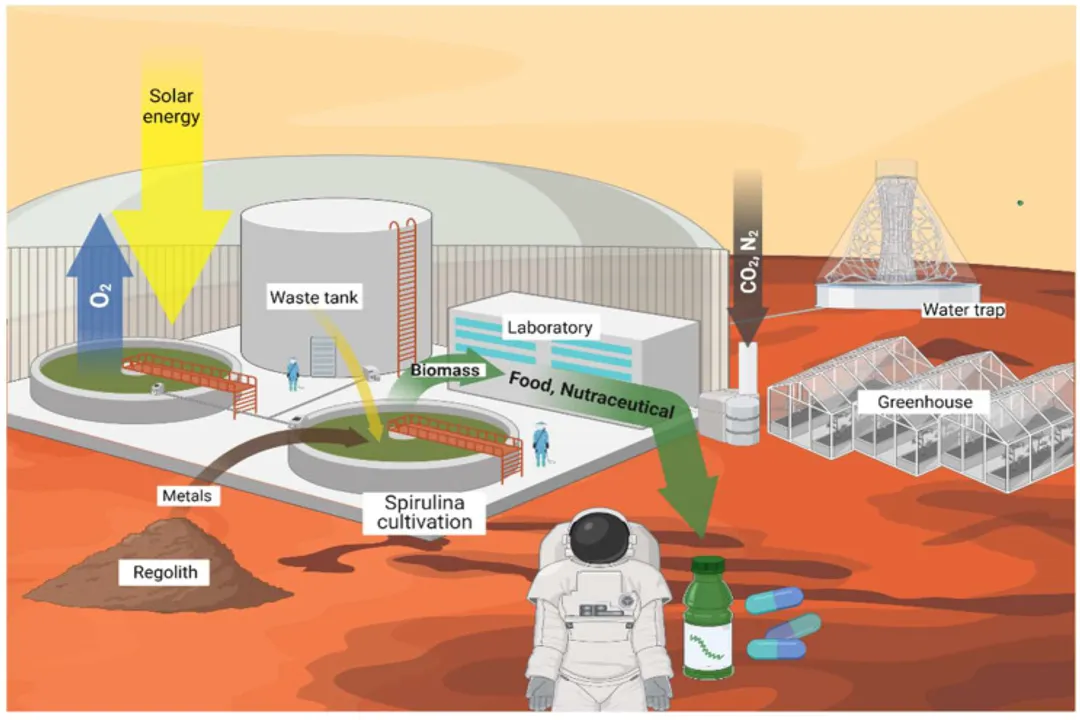
Space travel introduces unique physical stressors on the human body, from radiation exposure to muscle atrophy caused by microgravity. To mitigate these risks, agencies like NASA have examined various dietary supplements to keep crews healthy during extended missions. Spirulina, a blue-green microalgae, frequently surfaces as a prime candidate for these high-stakes environments because of its extraordinary nutrient concentration. [1][5] When astronauts ingest this powder, they are not just eating a supplement; they are consuming a biological machine capable of delivering essential macro and micronutrients in a remarkably small package.
# Space Nutrition
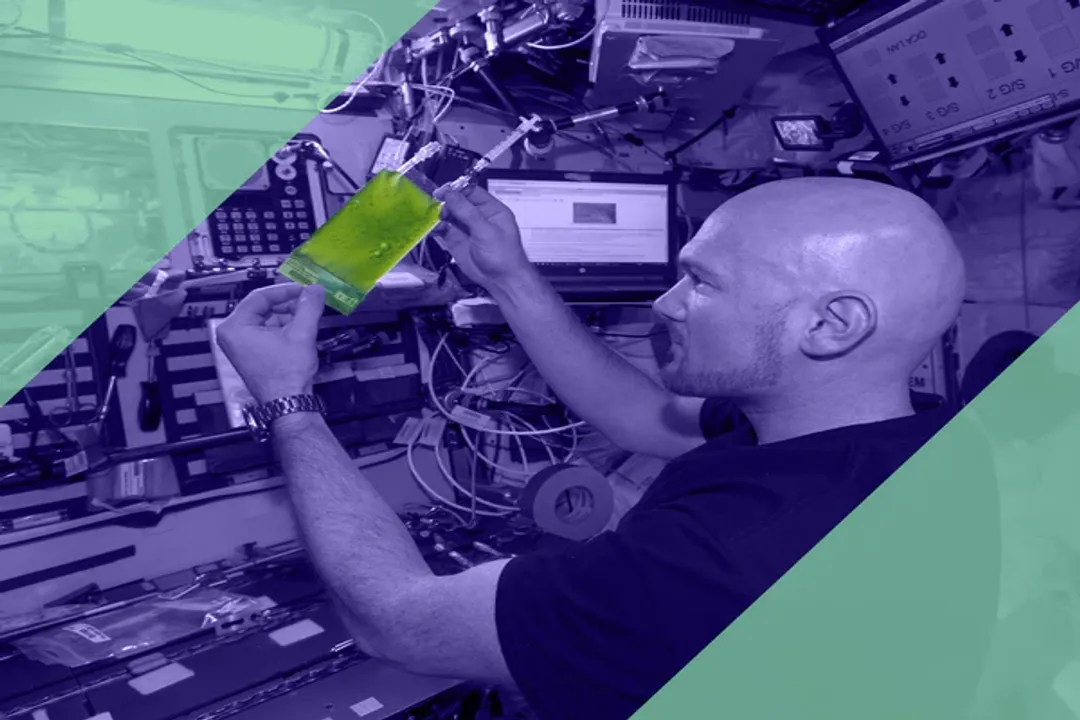
The primary challenge of deep-space travel involves weight and volume constraints. Every gram launched into orbit costs significant capital, making nutrient-dense foods essential for mission success. [5][6] Traditional meal packets, while functional, degrade in nutritional potency over time. [6] Spirulina acts as a concentrated dietary powerhouse, offering a way to supply amino acids and vitamins without the bulk of fresh produce. [1][5]
Because spirulina is technically a cyanobacteria, it provides a unique nutritional profile that is difficult to replicate with processed food alone. It contains high levels of protein—often cited as being between 60% and 70% of its dry weight—alongside vital minerals like iron and potassium. [6] For an astronaut, this means a small scoop of powder can help maintain muscle mass and blood health during long-duration flight. [3][6]
# Nutrient Density
To understand why space agencies show interest, it helps to look at how spirulina compares to standard food sources in a restricted environment. The following breakdown illustrates the density provided by this microalgae.
| Nutrient | Benefit for Astronauts |
|---|---|
| Protein | Essential for preventing muscle atrophy in microgravity. [6] |
| B-Vitamins | Supports nervous system function and energy levels during stress. [3][6] |
| Iron | Vital for hemoglobin production and oxygen transport in blood. [6] |
| Antioxidants | Helps combat oxidative stress caused by space radiation. [3] |
| Beta-Carotene | Important for eye health in harsh lighting conditions. [3] |
These values make spirulina a high-efficiency food source. Unlike shipping fresh vegetables, which are heavy and spoil quickly, spirulina powder is shelf-stable and light, fitting perfectly into the strict logistics of a spacecraft. [5][9]
# Closed Systems
The potential of spirulina for astronauts goes beyond simple supplementation. Agencies like the European Space Agency (ESA) have studied spirulina through projects like MELiSSA (Micro-Ecological Life Support System Alternative). [4] In this context, the algae does more than provide nutrition; it acts as a mechanical partner for the crew. [4]
Spirulina is photosynthetic. If cultured on a spacecraft, these algae consume carbon dioxide—which astronauts exhale—and produce oxygen. [4][7] This creates a closed-loop system where the crew's waste supports the algae, and the algae, in turn, provides both oxygen to breathe and nutrient-rich food to eat. [4] This dual-functionality is the "holy grail" of long-duration spaceflight to Mars or beyond, as it reduces the need to resupply from Earth. [7]
# Cultivation Challenges
While the concept of growing food in space is sound, the reality of execution remains complex. Cultivating spirulina on a ship requires specific conditions: precise lighting, controlled temperature, and a steady supply of nutrients for the algae to thrive. [9] If the culture conditions slip, the algae can die, or the resulting batch might lose its nutritional profile.
Astronauts also face the hurdle of palatability. Spirulina has a distinct, earthy, or "grassy" taste that many find difficult to consume in large quantities. [6] Mixing the powder into smoothies, soups, or other food items is a common way to mask the flavor, but the psychological aspect of eating a single source of nutrition for months remains a subject of concern for mission psychologists. [1][9]

# Biological Benefits
Beyond the logistics, what happens to the astronaut's body when they ingest spirulina? Research suggests that its composition supports immune system health. [3] Space flight often suppresses the immune response, leaving crews more vulnerable to dormant viruses and infections. [3] The polysaccharides and antioxidants found in spirulina have shown potential in modulating the immune system, possibly acting as a shield for astronauts operating in sterile, artificial environments. [3]
Furthermore, the high bioavailability of nutrients in spirulina means the body can absorb these components more efficiently than many synthetic multivitamins. [3] When an astronaut takes a supplement, they need it to work immediately; they do not have the luxury of slow-acting nutrient absorption. The cell walls of spirulina are relatively easy to digest, which allows for rapid assimilation of its protein and vitamin content. [3]
# Future Missions
As humanity looks toward long-term habitation on the Moon or Mars, the reliance on pre-packaged Earth food will diminish. The future of astronaut nutrition lies in bio-regenerative systems. Spirulina sits at the center of this transition. [7] The goal is to move away from carrying "inventory" and move toward "systems."
For the aspiring space traveler, the integration of spirulina into the diet represents a shift in philosophy. It changes the astronaut's role from a passive consumer of delivered cargo to an active participant in their own life-support system. While we are not yet at the stage where astronauts exclusively eat algae, the foundation for that reality is already being built in laboratories and simulated habitats today. [9]
# Practical Integration
For those on Earth interested in how this applies to daily life, the lessons learned from space research are transferable. You do not need to be in orbit to benefit from the same high-density nutrition.
- Start small: Due to its potency, begin with a half-teaspoon to assess digestive tolerance.
- Mix intelligently: The earthy profile pairs best with strong flavors. Blend it into berry smoothies or mix it with lemon juice, which can mask the flavor and improve iron absorption.
- Source carefully: Since spirulina absorbs compounds from its environment, ensure the powder is grown in controlled, clean conditions to avoid heavy metal contamination, a standard they follow rigorously for space applications. [3]
By mimicking the nutrient density that astronauts require, individuals can support their own health. Whether the goal is maximizing endurance or supporting immune function, the research backing this "space superfood" provides a clear map for efficient, effective nutrition. While it may not be the only thing on the menu, spirulina serves as a critical asset for the survival and performance of humans both in the vacuum of space and here on Earth. [5][9]
#Videos
Why Do Astronauts Use Spirulina?
Related Questions
#Citations
Spirulina: the food supplement already used by NASA ...
Why Do Astronauts Use Spirulina?
Wide Range Applications of Spirulina: From Earth to Space ...
ESA - Space for Kids - Astronaut food helps people on Earth
Spirulina in Space | We Are The New ...
Why Is Spirulina An Astronaut Food? Facts And Benefits
Astronauts Could Rely on Algae as the Perfect Life Support ...
Superfood goes to space - News - UF/IFAS Blogs
What are your thoughts on using spirulina on Mars?