What could Mars be used for?
The Red Planet is far more than a distant speck in the night sky or a destination for robotic rovers; it represents a tangible next step for human civilization, offering opportunities for profound scientific discovery and long-term resource availability. The practical applications of Mars center on what we can learn from it and, critically, what we can take from it to sustain a presence there.
# Scientific Imperative

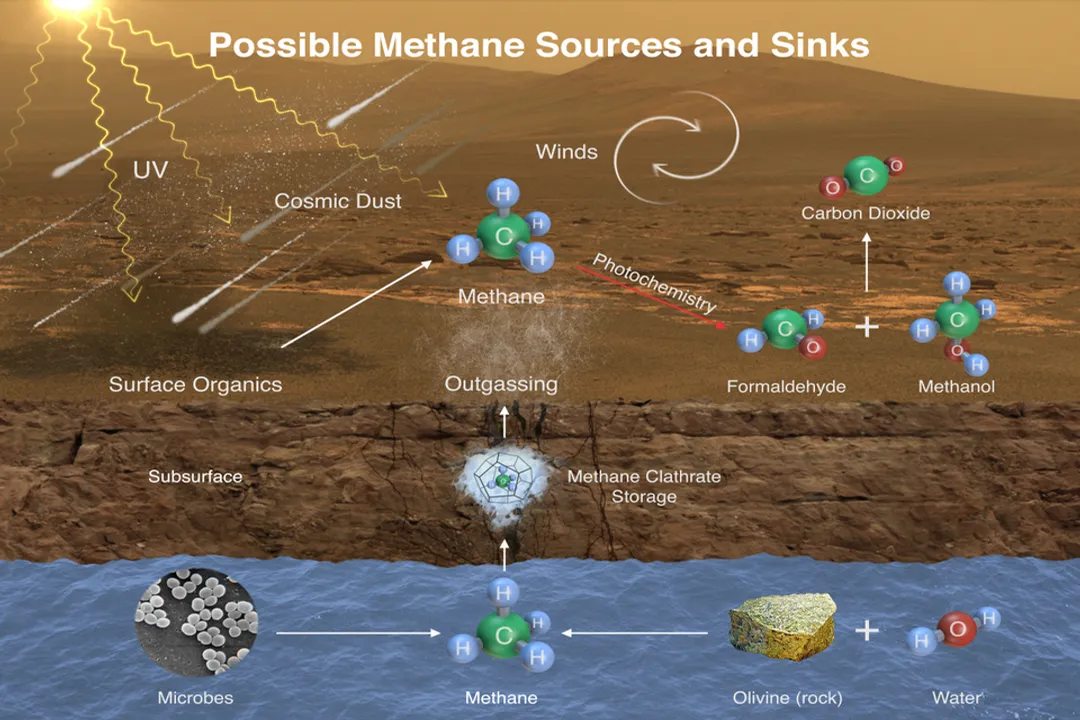
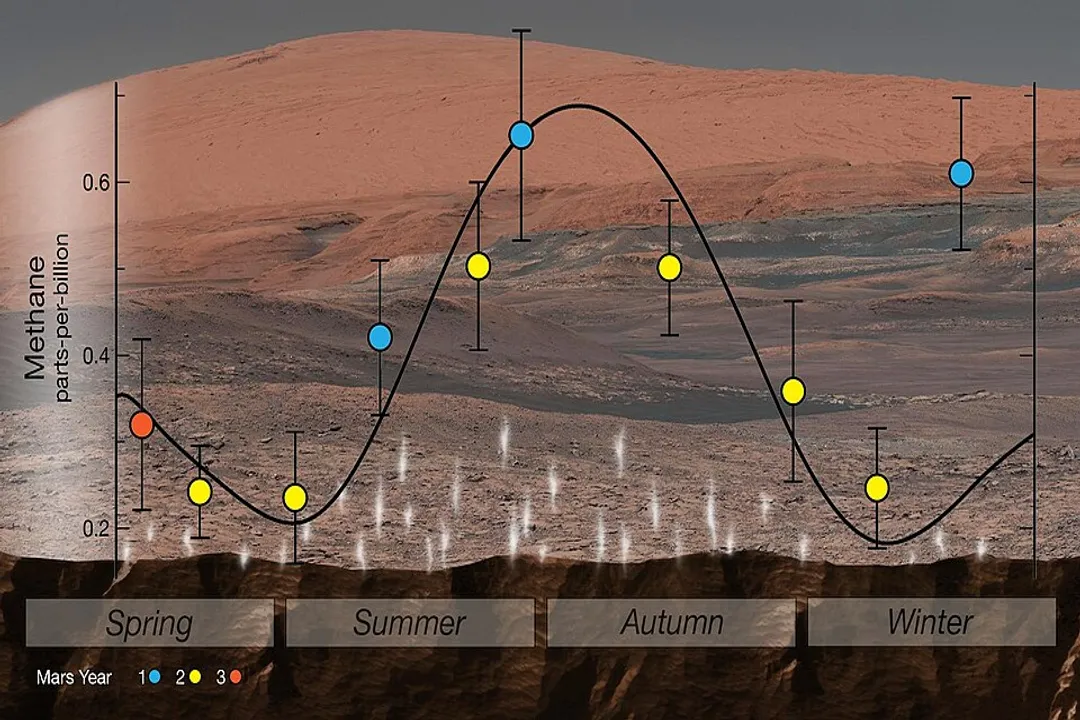
One of the primary reasons for continuing robust exploration is the planet’s potential as a natural laboratory for understanding planetary evolution and the origins of life. Mars holds clues to processes that shaped both the Red Planet and Earth billions of years ago. Scientists are intensely focused on whether life ever arose on Mars, which remains a major objective of Mars exploration. Finding evidence of past or extant microbial life would fundamentally alter humanity’s understanding of biology in the universe.
Beyond biology, the planet serves as a geological and atmospheric case study. Examining Mars helps researchers understand how a once-wet world lost its atmosphere and water, offering comparative data for modeling Earth’s own climate future. NASA’s science goals specifically involve characterizing the climate, geology, and history of the planet, and assessing its potential for past habitability. This requires detailed evaluation of its mineral and elemental composition to understand its evolution fully.
# Resource Prospecting
To transition from short visits to sustained presence, astronauts cannot rely on expensive resupply missions from Earth. The focus shifts to In Situ Resource Utilization (ISRU)—the practice of living off the land—making the indigenous resources of Mars the first crucial "use" of the planet. Mars offers a relatively accessible inventory of materials that can be converted into life support consumables, propellant, and construction inputs.
The most vital resource identified is water, which exists predominantly as subsurface ice. This water is essential for life support: drinking, sanitation, and growing crops. More strategically, water can be split via electrolysis into its constituent elements, hydrogen and oxygen. Oxygen is breathable, but the combination is also the basis for powerful rocket propellant, known as (Liquid Oxygen/Liquid Hydrogen).
The Martian atmosphere itself is another readily available feedstock, being composed of about 95% carbon dioxide (). This can be chemically processed to generate oxygen for breathing or combined with hydrogen (derived from water ice) via processes like the Sabatier reaction to create methane () rocket fuel.
If we can create rocket fuel on Mars using only atmospheric and subsurface water ice, the cost of returning Earth-bound samples or sending crewed return vehicles drops dramatically. This flips the logistics model from "bring everything" to "bring the factory." A rough estimate suggests that producing just one metric ton of liquid oxygen () in situ saves millions in launch mass costs from Earth, making follow-on missions financially viable much sooner.
The planet is also rich in common elements locked within its soil, or regolith. Known resources include silicates, iron oxides, aluminum, titanium, magnesium, and sulfur. The presence of these materials means future inhabitants could potentially manufacture basic necessities locally rather than shipping them across interplanetary distances. The USGS has focused research on evaluating these specific mineral resources to better understand their accessibility for future exploration missions.
| Resource Category | Primary Location/Form | Potential Use | Supporting Elements |
|---|---|---|---|
| Water | Subsurface Ice Deposits | Life Support, Propellant (, ) | Hydrogen, Oxygen |
| Atmospheric Gas | Atmosphere () | Breathing Oxygen, Methane Fuel | Carbon |
| Structural Metals | Regolith | Tools, Infrastructure, Alloys | Iron, Aluminum, Titanium |
| Construction Base | Regolith | Shielding, 3D Printing Media | Silicon, Oxygen (Silicates) |
# Construction Materials
Moving beyond basic consumables, the next major use for Mars is as a source of building materials for establishing permanent habitats. The regolith—the loose layer of dust and broken rock covering the bedrock—is the primary raw material for this purpose.
The iron oxides that give Mars its distinct red hue are chemically accessible iron, a fundamental element for creating structural metals and tools. Silicon and oxygen, primarily bonded in silicate minerals within the regolith, are the basis for glass, ceramics, and concrete-like materials. These materials are vital for creating radiation shielding, which is necessary to protect settlers from the high levels of cosmic and solar radiation that permeate the Martian surface due to its thin atmosphere and lack of a global magnetic field.
The concept is to treat the regolith as a vast, three-dimensional printing medium. Robotic systems could process the dirt, sinter it (heat and fuse it without melting), or mix it with locally produced binders to create pressurized domes or basic infrastructure components before humans even arrive in large numbers. While the Moon also offers abundant silicates and oxygen from its anorthosite-rich crust, Mars presents the distinct advantage of having atmospheric gases like readily available for immediate chemical processing without requiring energy-intensive atmospheric capture systems on the ground.
# Multiplanetary Future
The grandest usage envisioned for Mars is its role as humanity's second home, ensuring the long-term survival of our species. This vision, heavily championed by private aerospace entities, posits that establishing a self-sustaining colony on another celestial body is necessary to safeguard civilization against existential risks that might one day cripple Earth.
The effort to make humanity multi-planetary is not just about having a backup drive; it is about creating an entirely new branch of civilization. SpaceX, for instance, designs its entire architecture around the capability to transport large numbers of people and the necessary tonnage of hardware to make a settlement viable. This implies that Mars will be used not just as a scientific outpost or a resource depot, but as a location where human culture, industry, and society can take root and evolve independently.
The very existence of a small, functioning Martian community could inadvertently stabilize international cooperation on Earth by focusing investment toward a transcendent, shared future goal, rather than solely terrestrial concerns. The psychological utility of knowing humanity is no longer confined to a single point of failure in the cosmos cannot be overstated; it recontextualizes our place in the solar system.
In the near term, Mars will be used as a proving ground for closed-loop life support systems and self-sufficiency, testing technologies that could eventually make Earth's own remote habitats or orbital stations more sustainable. Every successful ISRU demonstration or locally grown meal on Mars translates directly into enhanced capability and reduced risk for future expansion, both within the solar system and perhaps eventually further afield.
Related Questions
#Citations
Mars Exploration: Science Goals
Life on Mars - Wikipedia
What resources do we know we can extract on Mars? : r/Colonizemars
The resources of Mars for human settlement - PubMed
What resources does Mars have that would benefit us if we ... - Quora
18-27. Evaluating mineral resources on Mars for exploration and ...
Can Mars be used as a place to live like Earth? - Facebook
Does Mars contain materials that could be used to build a space ...
Mission: Mars - SpaceX