What careers work with space?
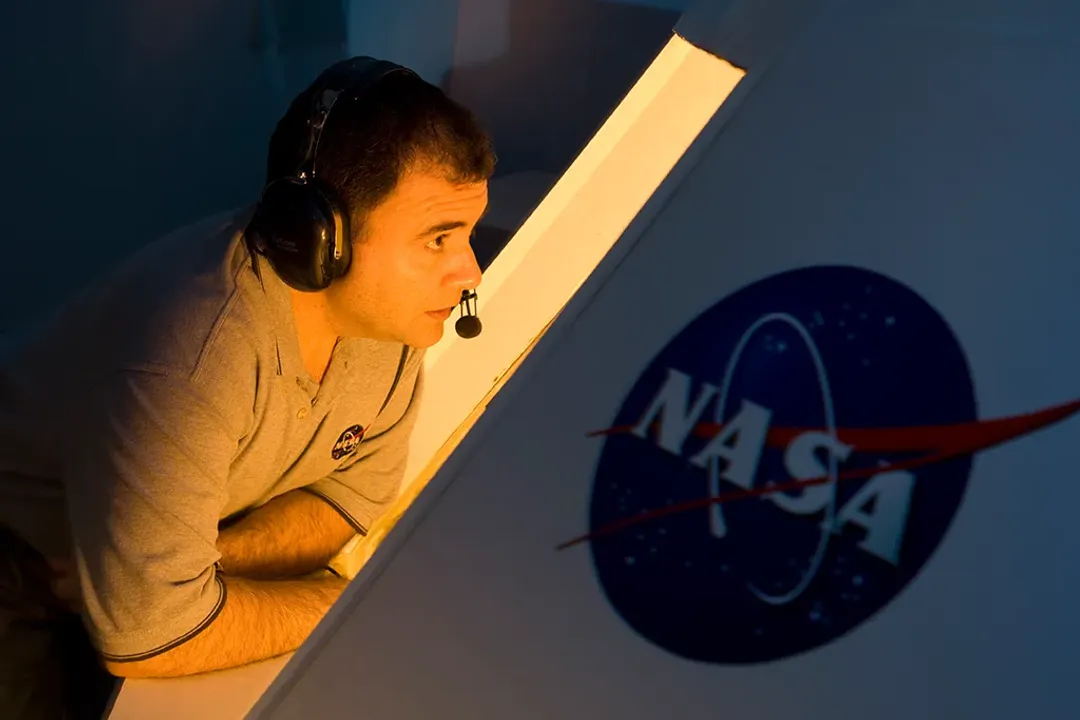
The public perception of the space industry often centers on astronauts, test pilots, and scientists in white lab coats, but the reality is that the vast majority of space-related roles happen firmly on the ground [1][3]. The sector has shifted from purely government-led efforts to a commercialized environment where private companies, ranging from launch providers to satellite manufacturers, require thousands of workers to function [7][8]. Whether you are interested in propulsion systems or human resources, the industry depends on a diverse mix of professional skills [3].
# Engineering Positions

The technical backbone of space endeavors remains rooted in engineering. Aerospace engineering is the most direct path, but it is not the only one. Aerospace engineers design the physical vehicles, craft, and propulsion systems, but they rely on mechanical, electrical, and software engineers to make those designs operational [1][6].
Software engineering has become one of the most critical needs in modern space flight. Modern rockets and satellites are essentially flying computers; they require code for navigation, telemetry, data processing, and communication [3]. If you have a background in software development, you can transition into this field by focusing on real-time systems, cybersecurity, or embedded software [8].
Material science is another niche that is increasingly important. As companies push to make vehicles lighter and more durable to withstand the extreme conditions of atmospheric re-entry or long-term radiation exposure, specialists who understand metallurgy and composite materials are in high demand [1].
# Business Roles

Many applicants assume they need a physics degree to enter the industry, but space companies function like any other corporate entity. They need accountants, lawyers, project managers, and public relations specialists [3]. A space company requires legal expertise to navigate international treaties regarding orbit usage, liability, and launch licensing [2].
Human resources professionals are needed to scale these growing companies, while supply chain managers ensure that the complex parts required for a launch arrive on time [7]. If you have experience in logistics, manufacturing, or corporate operations, your skills are highly transferable [8]. A project manager who has successfully overseen product launches in the automotive industry, for example, possesses skills that are directly applicable to managing the assembly of satellite constellations [2].

# Military Careers

The United States Space Force provides a unique, highly specialized career path distinct from civilian roles [4]. While civilian space work often focuses on research and commercial services, the military branch is tasked with protecting national interests in orbit, monitoring space debris, and ensuring the reliability of global positioning systems [4].
Careers in this branch range from space operations officers, who monitor satellite communications and orbital threats, to intelligence analysts who assess global activities from a space-based perspective [4]. Unlike corporate or academic paths, military service often involves different physical and security requirements, making it a distinct option for those seeking a structured career progression [4].
# Academic Preparation
Your educational path will depend heavily on the specific role you target. For technical roles, a degree in aerospace engineering, mechanical engineering, or computer science is standard [1][5]. However, the rise of commercial space flight has led to specialized academic programs [5]. Some universities now offer dedicated degrees in space studies, which combine aerospace engineering with policy, law, and business management to prepare students for the specific regulatory and operational challenges of the industry [9].
If you are currently a student, internships are the most effective way to enter the sector [3]. Most major space organizations and private firms offer structured internship programs that allow you to test your skills in a professional environment before committing to a specific degree track [6].
# Skill Mapping Table
To better understand how standard career paths intersect with the space industry, consider the following table that maps traditional corporate roles to their counterparts in space-focused firms.
| Professional Field | Typical Industry Role | Space Industry Counterpart |
|---|---|---|
| Logistics | Supply Chain Manager | Launch Campaign Coordinator |
| Legal | Corporate Counsel | Space Law/Regulatory Compliance |
| Software | Web Developer | Flight Software Engineer |
| Finance | Financial Analyst | Cost Estimator for Launch Vehicles |
| Manufacturing | Production Manager | Clean Room Supervisor |
| Communications | Publicist | Mission Press Officer |

# Hidden Opportunities
One insight often missed by job seekers is the reliance of space companies on terrestrial "feeder" industries. You do not necessarily need to work for a company that builds rockets to work in the space industry. Instead, you can look for suppliers that manufacture specialized bolts, high-grade electronics, or thermal protection systems used by major aerospace firms [7].
By working for these Tier-2 or Tier-3 suppliers, you gain industry-specific experience without the high barrier to entry that often exists at large aerospace contractors. Many professionals start in these adjacent manufacturing sectors, develop an understanding of aerospace standards, and then pivot to larger space firms once they have that specific experience on their resume [10].
# Professional Analysis
When analyzing the job market, one clear trend is the shift toward "space-adjacent" skills. If you possess a high level of proficiency in data analytics, machine learning, or complex project management, you are often more valuable to a growing space startup than someone with a general aerospace degree but no practical work experience [8].
A concrete strategy for success involves documenting your work in "hard skills" rather than just your educational background. Space companies, especially smaller ones, are generally risk-averse regarding hiring. They want to see that you can handle the specific technical burdens of their hardware or software [2]. If you are a developer, contribute to open-source space projects or simulation tools. If you are a manager, focus on certifications in Agile or Lean methodologies, as these are increasingly used to manage the rapid iteration cycles found in the commercial space sector [3][10].
# Career Checklist
If you are ready to start your search, consider this structured approach to ensure you are targeting roles effectively:
- Identify your functional fit: Determine if you belong in technical engineering, operations, or business services based on your current experience, not just your interests [3].
- Research the supply chain: Look at the major rocket and satellite manufacturers, then research who their component suppliers are. These companies often have less competition for open positions [7].
- Tailor your portfolio: If you are a developer or engineer, showcase specific projects that involve high-reliability systems, real-time data, or complex hardware integration [6].
- Network in niche communities: Use platforms dedicated to space industry professionals rather than just general job boards. Specialized career aggregators often list roles that do not appear on mainstream sites [10].
- Understand the regulatory landscape: Regardless of your role, having a basic understanding of ITAR (International Traffic in Arms Regulations) and how it affects the hiring of foreign nationals is a massive advantage in an interview, as it demonstrates you understand the legal constraints the company operates under [2].
Ultimately, the sector is not a monolith. It is a cluster of different businesses, military organizations, and academic researchers [1][4]. The most successful candidates are those who view the industry as a practical work environment rather than a destination. By focusing on your core skills—whether that is accounting, coding, or supply chain management—and applying them to the specific, rigorous demands of space hardware and operations, you can find a meaningful role within this growing field [8][9].
Related Questions
#Citations
Space careers: A universe of options - Bureau of Labor Statistics
I really want a space focused career but I'm not sure which is right for ...
22 Jobs in the Space Industry To Explore (Plus Duties) | Indeed.com
Discover Space Force Careers
Careers in Space Degrees That Make it Happen
Careers - NASA
Space Crew: The solar system's biggest space jobs site
What careers are there in space and how do you get started? | EVONA
Top Jobs With a Space Studies Degree You Can Pursue
Space-Careers: Space Industry Jobs