What are the three types of spacecrafts?
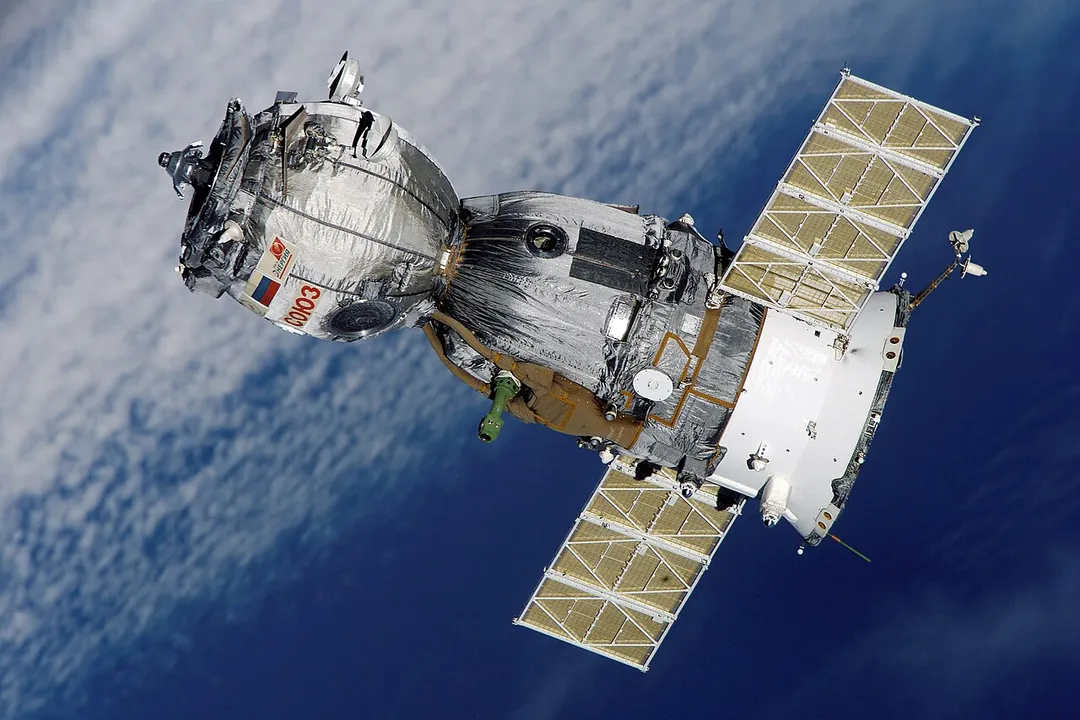
Spacecraft are engineering marvels designed to operate within the vacuum of space, enduring extreme thermal variations, intense radiation, and the vacuum environment that distinguishes space from Earth [^1.2][^1.6]. While there are many ways to classify these machines—such as by their destination, size, or mission profile—they are frequently grouped into three primary types based on their fundamental design and function: crewed spacecraft, robotic spacecraft, and launch vehicles [^1.2][^1.3]. Each category represents a unique approach to the physics and engineering challenges required to leave Earth or conduct operations among the stars.
# Crewed Spacecraft
Crewed spacecraft are designed specifically to carry human occupants, requiring systems that can support life for the duration of a mission [^1.2]. The most defining characteristic of these vessels is the integration of life support systems, which manage the cabin atmosphere, pressure, temperature, water, and waste [^1.2][^1.6]. Because human biology is highly sensitive to the space environment, these craft must maintain a habitable internal environment while shielding passengers from cosmic radiation and the harsh vacuum outside the hull [^1.2].
The history of crewed flight began with the Soviet Vostok and American Mercury programs, which served as the first platforms for placing a human in orbit [^1.2]. These early capsules were relatively small and restricted, focusing primarily on the mechanics of getting a person into space and back safely [^1.2]. Over time, these designs evolved into more complex systems, such as the Apollo Command Modules and the Space Shuttle, which introduced more comfortable, if still confined, living quarters [^1.2].
Modern crewed spacecraft, such as the SpaceX Crew Dragon and the Boeing CST-100 Starliner, prioritize modularity and reusability [^1.2]. These vessels are designed to transport personnel to the International Space Station and, potentially, to future orbital platforms [^1.6]. A key technical challenge in these designs is the development of reliable thermal protection systems [^1.2][^1.6]. During re-entry, a spacecraft encounters massive friction with the atmosphere, turning kinetic energy into heat that can exceed 1,600 degrees Celsius [^1.2]. Engineers use advanced materials, such as reinforced carbon-carbon or ablative heat shields, to dissipate this heat and ensure the survival of the crew [^1.2][^1.6].
Another critical aspect of crewed design is the emergency escape system [^1.6]. Unlike uncrewed craft, where the loss of the vehicle is a financial and scientific setback, the loss of a crewed craft is a human tragedy. Consequently, these vehicles often incorporate launch abort systems—powerful rocket motors capable of pulling the capsule away from the launch vehicle in the event of a catastrophic failure on the pad or during the early stages of ascent [^1.6].
# Robotic Spacecraft
Robotic or uncrewed spacecraft constitute the majority of human activity in space [^1.2]. By removing the need for life support systems, engineers can significantly reduce the weight, cost, and complexity of a mission [^1.2]. These vehicles are categorized further by their specific objectives, which range from mapping planetary surfaces to peering into the deep universe [^1.3][^1.6].
The category of robotic spacecraft is broad, but it includes several distinct subtypes:
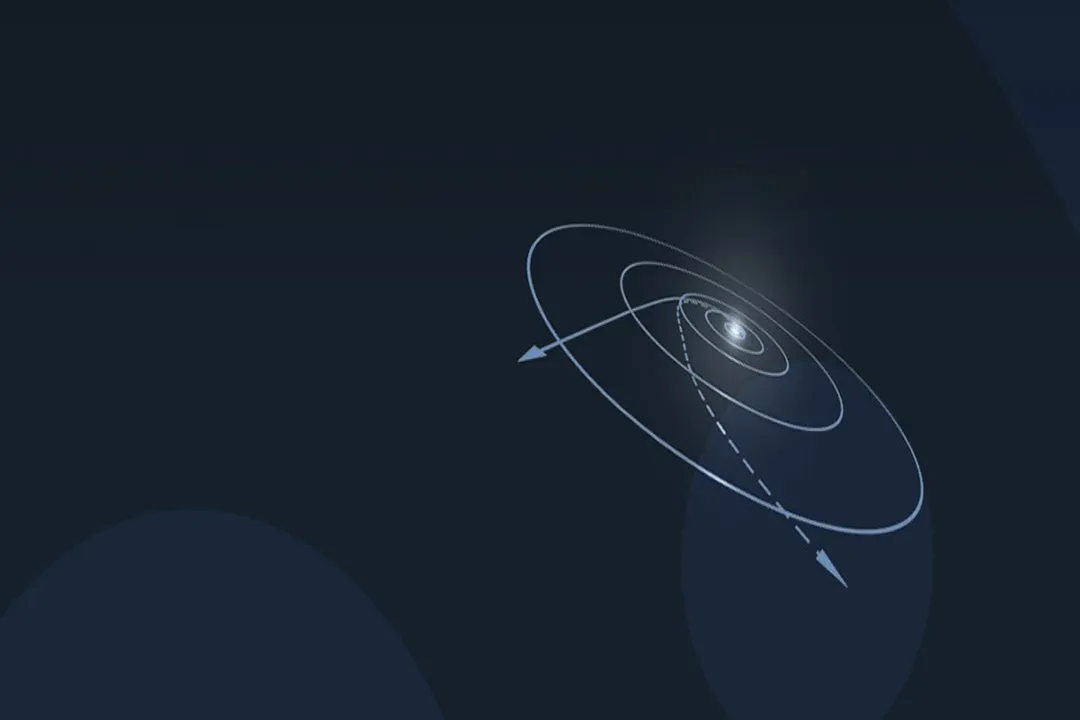
- Flyby Spacecraft: These missions pass by a celestial body, such as a planet or asteroid, to gather data without entering orbit [^1.3][^1.7]. A famous example is the Voyager probes, which used gravity assists to travel through the outer solar system, observing Jupiter, Saturn, Uranus, and Neptune along the way [^1.2][^1.3].
- Orbiters: Designed to remain in the vicinity of a celestial body, these craft perform long-term observations [^1.3][^1.7]. Orbiters like the Cassini-Huygens mission to Saturn or the various Mars orbiters allow scientists to study planets over many years, providing detailed data on climate, geology, and atmospheric composition [^1.3][^1.6].
- Landers and Rovers: These vehicles are designed to reach the surface of another world [^1.3]. Landers, such as the Viking missions, remain stationary, while rovers, like Curiosity or Perseverance, are mobile laboratories capable of traversing the surface to conduct in-depth geological and biological research [^1.3][^1.6].
- Observatories: Often placed in high Earth orbit or positioned at stable gravity points like the Lagrange points, observatory spacecraft such as the Hubble and James Webb Space Telescopes look outward [^1.2][^1.3]. They avoid the distortion caused by Earth’s atmosphere, allowing for high-resolution images of distant galaxies [^1.2].
The autonomy of these systems is a major differentiator [^1.2]. Because radio signals can take minutes or even hours to travel between Earth and deep-space targets, robotic spacecraft must be capable of executing pre-programmed tasks or making basic decisions on their own [^1.2][^1.3]. Modern robotics in space have evolved from simple "send-and-receive" systems to sophisticated machines that can adjust their own orientation, manage their own power, and even troubleshoot internal software errors [^1.2][^1.6].
# Launch Vehicles
Launch vehicles are the engines of space exploration, serving as the delivery systems that get payloads from the surface of Earth into space [^1.2]. While often discussed separately from the satellites or capsules they carry, they are essential to the definition of spaceflight [^1.2]. Without these powerful rocket systems, no spacecraft could overcome Earth’s gravity [^1.2].
Most launch vehicles are multi-stage rockets [^1.5]. This design is dictated by the Tsiolkovsky rocket equation, which highlights the difficulty of gaining speed [^1.5]. To reach orbital velocity—roughly 29,000 kilometers per hour—a rocket needs a vast amount of propellant [^1.5]. By using multiple stages, the vehicle can shed "dead weight" (empty fuel tanks and structural casing) once their fuel is exhausted, allowing the remaining structure to accelerate more efficiently [^1.5].
Modern trends in launch vehicles are moving toward reusability [^1.2][^1.6]. Historically, rockets were expendable, meaning they were destroyed upon reaching orbit or falling back to Earth [^1.2]. Systems like the SpaceX Falcon 9 or the upcoming Starship represent a shift in philosophy [^1.2][^1.6]. By landing the first stage vertically after a launch, companies can refurbish and fly these boosters multiple times, drastically reducing the cost of access to space [^1.6].
The design of a launch vehicle involves balancing the payload mass with the propellant mass [^1.5]. If a mission requires a heavier satellite or a crewed capsule, the rocket must be larger and more powerful [^1.5]. This has led to the development of "heavy-lift" rockets, capable of launching large structures like sections of the International Space Station or deep-space probes [^1.6].
# Engineering Comparison
The classification of spacecraft often blurs when looking at their subsystems, but the design requirements for each type remain distinct. The following table summarizes the primary differences in requirements:
| Feature | Crewed Spacecraft | Robotic Spacecraft | Launch Vehicles |
|---|---|---|---|
| Primary Goal | Human life safety | Data collection/Research | Reaching orbit |
| Autonomy | Human-in-the-loop | High autonomy required | Low (pre-programmed) |
| Design Life | Days to months | Months to decades | Minutes (burn time) |
| Redundancy | Extremely high | Moderate | Critical for mission |
| Re-entry | Required | Optional | Rare (except modern boosters) |
This comparison highlights that while all spacecraft operate in the same vacuum, the engineering constraints differ significantly. A crewed vessel prioritizes redundant systems for life support, while an orbiter prioritizes long-term reliability of power and communication arrays, and a launch vehicle prioritizes raw power and thrust-to-weight ratios.
One significant insight into the evolution of these machines is the shift toward "multi-purpose" craft. Early in the Space Age, vehicles were highly specialized; a capsule was for people, and a probe was for science. Today, we are seeing the rise of hybrid systems, such as the SpaceX Starship, which is designed to function as both a launch vehicle (the bottom stage) and a spacecraft (the top stage) capable of carrying crew, cargo, or fuel to distant destinations [^1.2]. This versatility simplifies logistics and reduces the need for multiple different types of hardware for a single mission.
Another important trend is the move toward smaller, more capable robotic systems. While large, billion-dollar flagship probes are still necessary for deep-space science, the miniaturization of electronics has enabled the use of small-satellites and cubesats [^1.4]. These smaller units can be launched in batches, allowing researchers to gather data from multiple points in space simultaneously, which was not feasible in the era of single, massive satellites.
As humanity looks toward missions to Mars and beyond, the distinctions between these types of spacecraft will likely continue to evolve. The future will rely on a combination of autonomous rovers to scout terrain, reusable launch vehicles to minimize costs, and advanced crewed ships to transport humans safely through the deep, radiation-filled voids of our solar system [^1.6]. The synergy between these three types ensures that, while the challenges remain constant, our reach into the universe continues to grow.
Related Questions
#Citations
Chapter 9: Spacecraft Classification - NASA Science
Spacecraft - Wikipedia
More than 10 types of spacecrafts for exploring space? – BSA
Spacecraft - National Air and Space Museum
Spaceflight | Types of Spacecraft, Trajectories, & Navigation
Spacecraft: Definition, Types & Examples - Study.com