How does NASA recycle urine?
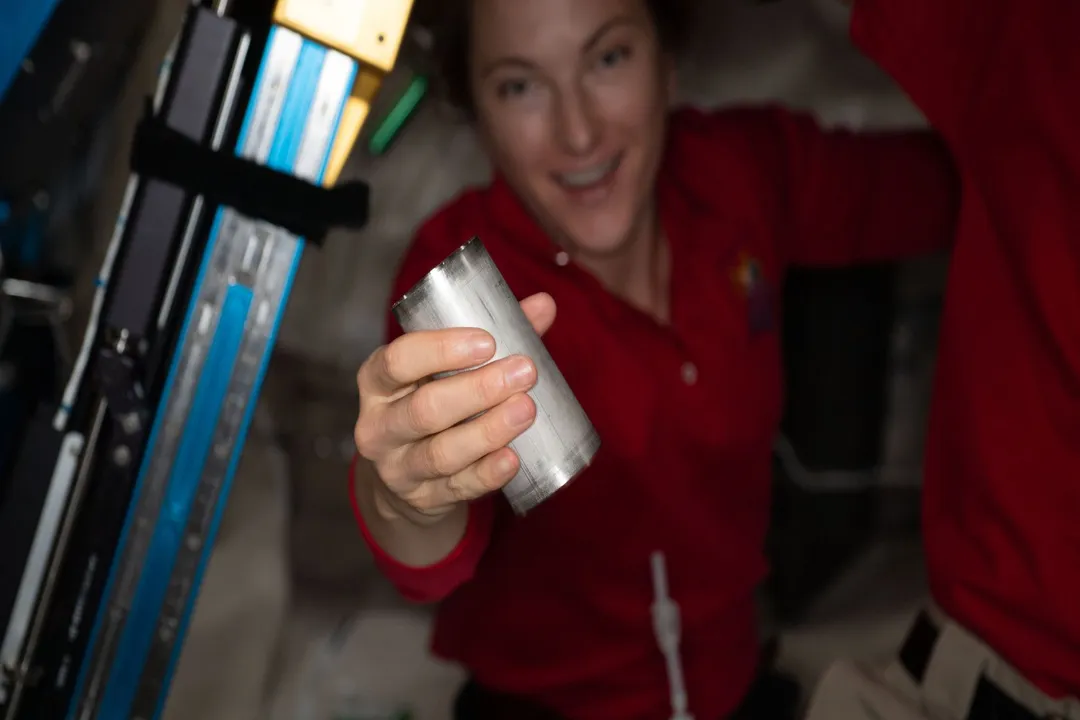
The logistics of sustained human presence in space revolve entirely around resource management, and perhaps no resource is more critical or expensive to transport than water. Launching just one pound of cargo to the International Space Station (ISS) can cost around $2,500. [1] This economic reality mandates a closed-loop system where every drop of moisture, including that expelled from the human body, must be recovered, treated, and returned to service. The daily water requirement for an astronaut—roughly one gallon for drinking, cooking dehydrated food, and hygiene tasks like brushing teeth—becomes a massive logistical burden if not managed internally. [1][7]
This necessity has driven NASA and its partners to develop life support hardware capable of recycling consumables like air and water with extreme efficiency. For missions venturing far beyond low-Earth orbit, such as a future transit to Mars, the target for water reclamation is a near-perfect 98 percent recovery rate. [1][7] If a crew launches with 100 pounds of water, they can afford to lose only two pounds over the entire mission duration, with the remaining 98 pounds circulating indefinitely. [3][7]
# Water Necessity
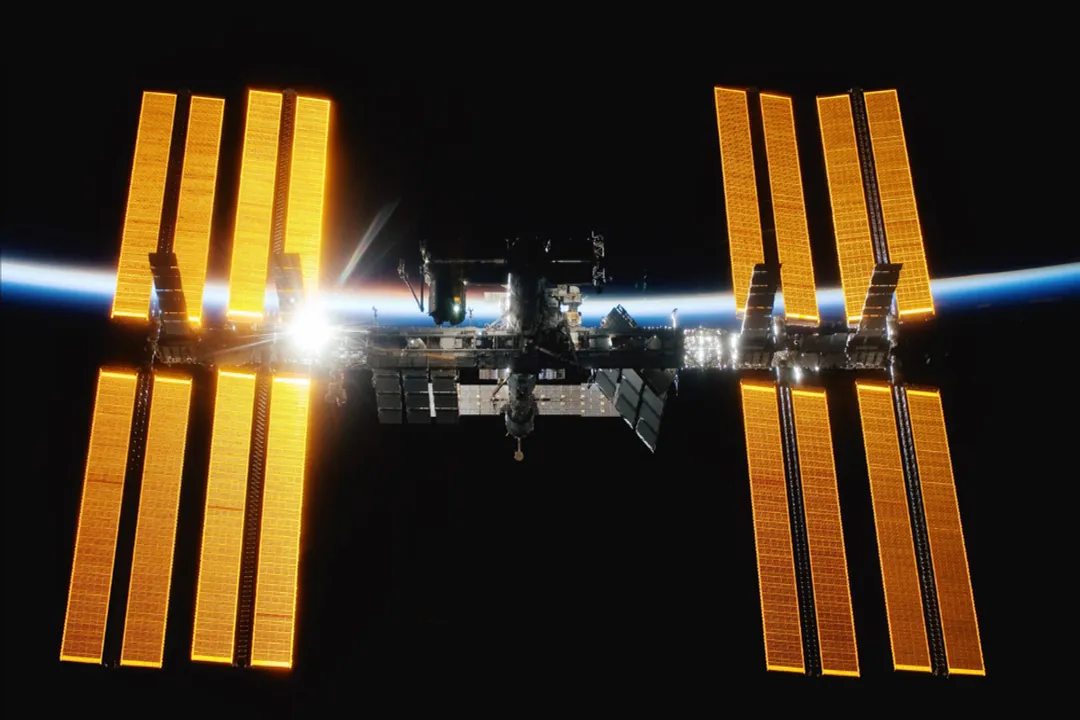
The drive to close this water loop is not merely about convenience; it is about enabling deep-space exploration. On the ISS, the water recycling equipment has already lowered the need for resupply missions by staggering amounts, reportedly cutting the station's water delivery needs by about 1,600 gallons. [1] The initial systems achieved good recovery, but the breakthrough that validated the path to Mars came when engineers pushed past the previous average of 93 to 94 percent recovery, reaching the ambitious 98 percent target. [5][7]
This seemingly small percentage gain—moving from 94% to 98%—represents a massive reduction in required resupply mass. If the previous system required resupplying five percent of a crew member's daily water consumption, the upgraded system cuts that requirement by more than half, needing only two percent of the initial launch mass to sustain the loop. [4] Considering the extraordinary expense of orbital logistics, achieving this level of regeneration means that the mass slated for water resupply can instead be allocated to valuable scientific experiments or supplies, directly increasing the mission's scientific return for the same launch cost. [3][7] This is the fundamental calculation behind all regenerative life support development: less mass shipped equals more capability delivered. [7]
# Recycling Core
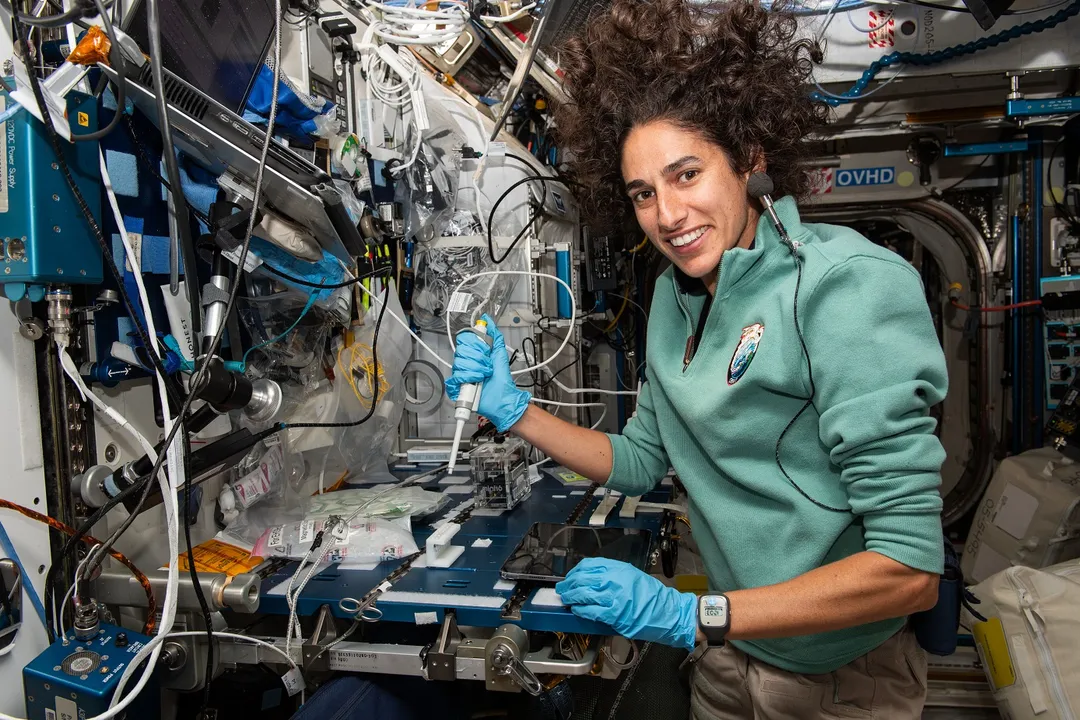
The entire process of reclaiming liquid resources aboard the ISS is handled by the Environmental Control and Life Support System (ECLSS). [3][7] This system is a collection of hardware modules designed to manage air, temperature, and water. In terms of water, the process centers around two main units: the Water Processor Assembly (WPA) and the Urine Processor Assembly (UPA). [3][5] The WPA is responsible for taking various wastewater streams and converting them into potable water, while the UPA specifically targets urine for initial recovery. [7]
Water enters the system from three main sources: urine, humidity condensate (water vapor collected from the air), and crew perspiration (sweat). [1][3] The process must deal with the resulting waste streams in microgravity, a constraint that necessitates specialized, often vacuum-assisted, equipment rather than relying on terrestrial gravity-fed separation methods. [5] The engineers managing this system focus not only on the purification chemistry but also on long-term reliability, ensuring the hardware requires minimal maintenance and spare parts for extended operational periods. [3]

# Urine Distillation
The first step for the bodily fluids that are not immediately captured as humidity—namely urine—is treatment by the Urine Processor Assembly (UPA). [3][7] The UPA employs vacuum distillation to separate the water from the solutes and contaminants present in the urine. [1][5][7] Distillation involves heating the liquid under a vacuum, which lowers the boiling point, allowing the water to vaporize at lower temperatures, thus saving energy and protecting heat-sensitive compounds.
However, this initial distillation step is not perfectly efficient. It yields a stream of water vapor (the distillate) and a thick, concentrated liquid byproduct called urine brine. [1][5][7] This brine still contains a significant amount of reclaimable water, but it cannot pass directly into the WPA without further processing, as it carries a heavy load of salts and other non-volatile compounds. [1]
# Brine Recovery
The development that enabled NASA to hit the critical 98 percent recovery mark was the implementation of the Brine Processor Assembly (BPA). [1][7] This module was designed specifically to accept the effluent—the brine—left over from the UPA's distillation process and extract the residual water. [1][7]
The BPA uses an innovative combination of techniques. It runs the brine through a series of specialized membranes. [7] Following this, warm, dry air is blown across the brine to encourage the remaining water to evaporate. [1][7] This evaporation creates a stream of humid air, which is functionally similar to the moisture exhaled by the crew. [1][7] This newly generated humid air is then routed back to the station's main water collection systems—specifically, the advanced dehumidifiers—which capture moisture from the cabin air. [1][7] This interconnection is a fascinating example of engineering efficiency: the byproduct of one process (brine) becomes the input feedstock for another part of the air revitalization loop, preventing mass loss through evaporation into the environment. [1]
# Water Refining
Once the water has been separated from the urine (as distillate) and the brine (as humid air), all reclaimed moisture converges in the Water Processor Assembly (WPA) for final purification. [3][7] This is where the water must be transformed from raw wastewater into a high-quality product suitable for consumption.
The WPA executes a multi-stage cleaning process:
- Filtration: The water first passes through a series of specialized filters designed to remove particulates and larger contaminants. [3][7]
- Catalytic Reactor: Following filtration, the water enters a catalytic reactor. This component is essential for breaking down trace organic contaminants that survive the initial filtration. [1][3]
- Purity Check: The processed water then passes over sensors that continually monitor its purity against strict standards. [3] If the water quality is found to be unacceptable, it is automatically diverted back into the system for reprocessing. [3][7]
It is worth noting that while the ISS system is highly advanced, other concepts have been explored for future transit vehicles. For instance, one patented system approaches urine treatment as a two-step process, using an activated carbon pretreatment to remove most organic molecules, followed by a functional osmotic bag to remove inorganic contaminants. [6] A more ambitious, completely closed-loop concept aims to integrate fecal and food wastes using an Anaerobic Membrane Bioreactor (AnMBR) to generate clean water, gases for fuel, and fertilizer constituents for hydroponics. [6]
# Purity Assurance
The final stage in making recycled water safe involves chemical stabilization. Water that passes all the purification checks is treated with iodine before being stored for crew use. [1][3][7] The iodine serves a crucial function: it prevents microbial growth within the storage tanks, ensuring the water remains safe over time, especially critical when resupply or maintenance is not an option. [1][3]
Crew members and NASA staff frequently stress that the resulting product is not merely "recycled urine." They emphasize that the rigorous multi-stage filtering, distillation, catalytic breakdown, and final chemical treatment result in water that is demonstrably cleaner than the water most people drink from municipal systems on Earth. [1][7] The processing mirrors some ground-based water distribution methods, but the extreme environment of microgravity requires unique engineering solutions to achieve this level of purity assurance. [3] The confidence in this system stems from extensive ground testing that validates the reliability of every ECLSS component. [3]
When considering long-duration flights or surface habitats, the development of these closed-loop systems becomes a matter of self-sufficiency. The less water an exploration vehicle needs to carry, the more room there is for the actual goals of the mission—science, habitat support, and astronaut health—to take precedence over carrying consumables. [7]

# Beyond ISS
While the urine and condensation recovery systems are headline-grabbing because of the source material, the system’s overall effectiveness depends on capturing all available water vapor. [5] Crew members continuously release moisture through respiration (breathing) and perspiration (sweating). [1]
The advanced dehumidifiers within the ECLSS are specifically designed to capture this atmospheric moisture. [3] In a closed environment, the air quickly becomes saturated with this human-generated vapor. The dehumidifiers essentially "scrub" the cabin air, pulling out the water vapor, which is then fed directly into the WPA along with the distillate from the UPA and the recovered water from the BPA's brine. [1][7]
It is an interesting point of analysis that the collection of sweat is largely passive; the moisture evaporates from the skin and is managed by the air system rather than actively being wiped off or collected via specialized skin contact gear, though some sources suggest wet towels could be placed near dehumidifiers. [4] The real genius here is the integration: the systems designed to keep the air breathable and dry also become the primary drivers for water collection from perspiration and breath, creating a completely interconnected loop where humidity control and water recovery are inseparable functions. [1][7]
The drive for even greater closure has spurred development in personal water recovery, such as a specialized spacesuit system that has been investigated for its potential to convert astronaut urine directly into drinking water for use during spacewalks. Such technology, potentially using variants of forward osmosis, represents miniaturizing the ISS technology for use when an astronaut is physically separated from the main habitat systems. [6] The long-term vision involves a fully regenerative system capable of recycling all waste streams—urine, hygiene water, laundry water, and even solid/fecal waste—into water, gases, and fertilizer constituents to support plant growth, moving past simple recycling toward true resource independence in space habitats. [6] This capability is non-negotiable for any permanent human presence on the Moon or Mars, where resupply is measured in months or years, not days. [1][6]
#Videos
Turning Urine into Drinking Water and Recycling Air - YouTube
Related Questions
#Citations
NASA Achieves Water Recovery Milestone on International Space ...
Turning Urine into Drinking Water and Recycling Air - YouTube
Astronauts' urine and sweat are almost entirely recycled into ... - Reddit
How is water recycled in space? - Aquatech Amsterdam
Modular System for Waste Treatment, Water Recycling, and ...
NASA just recycled 98% of all astronaut pee and sweat on the ISS ...