Has a meteor ever killed a human?
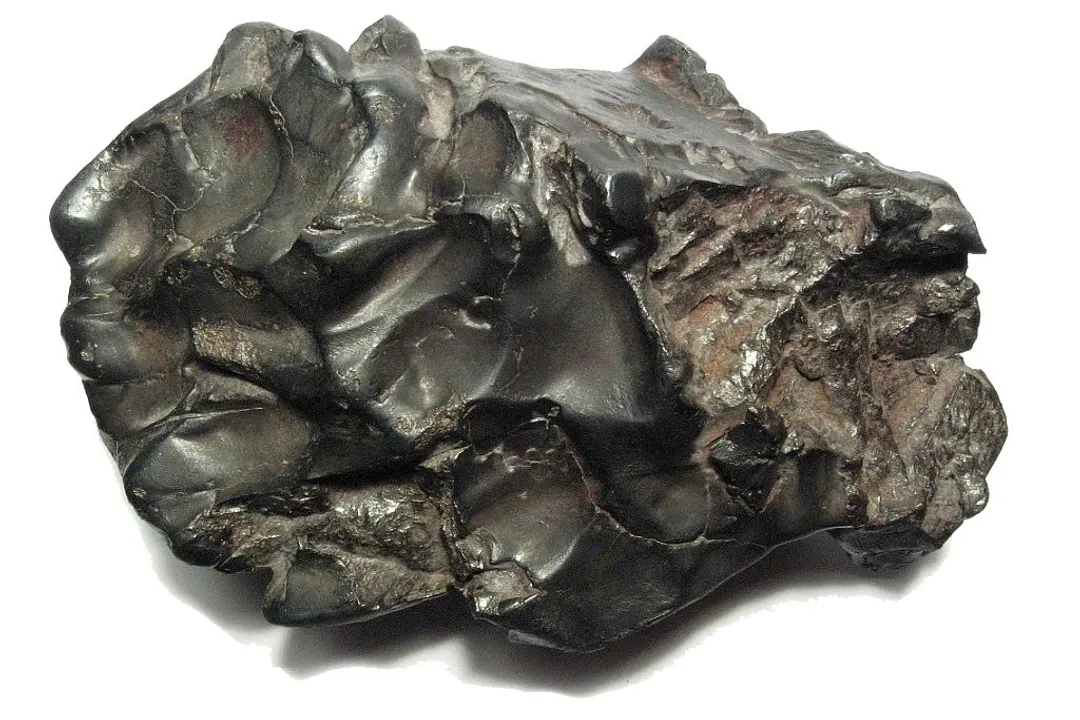
The query about whether a person has ever been killed by a falling space rock generates far more dramatic speculation than confirmed history supports. While science fiction often paints vivid pictures of catastrophic impacts, the reality is that direct fatalities from meteorites are exceedingly rare, resting on a very thin line of documented, or perhaps semi-documented, events. The probability of a chunk of cosmic debris actually striking a living human being, let alone ending their life, is astronomically low given the vastness of the oceans and uninhabited landmasses covering our planet.
# Confirmed Death
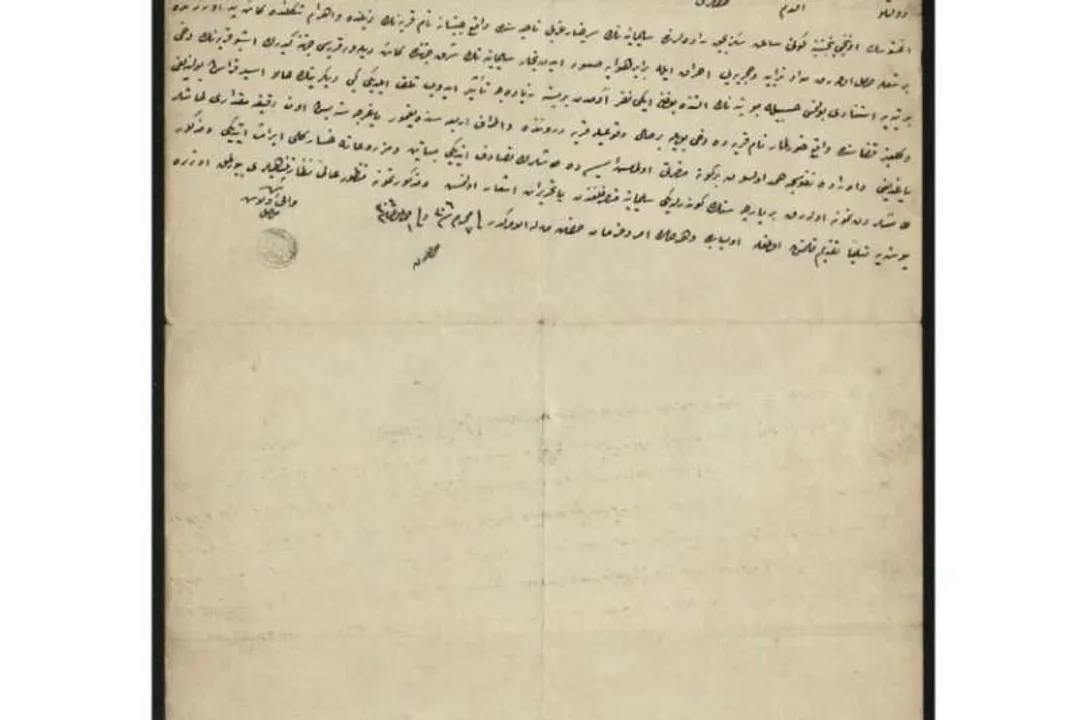
When searching for the definitive "first" and "only" confirmed fatality, the record points toward an event that occurred far from modern forensic scrutiny. An incident reported in 1888 in Sulaymaniyah, Mesopotamia (present-day Iraq), is often cited as potentially the only confirmed death caused by a meteorite impact in recorded history. Reports from the time suggest that a meteorite struck a person, resulting in their death.
This claim rests heavily on historical records from that era, which naturally lack the high level of independent verification we demand today. The nature of the evidence means that while it stands as the most cited candidate for a direct kill, it exists in a slightly different evidential category than modern, witnessed events. The inherent difficulty in fully substantiating such a claim from the 19th century means that, scientifically, many sources remain cautious, though they acknowledge its potential singularity. To fully accept this event as the single confirmed case requires a degree of trust in historical reports over contemporary, detailed forensic analysis, which is a crucial distinction when examining impact history.
# Famous Strike
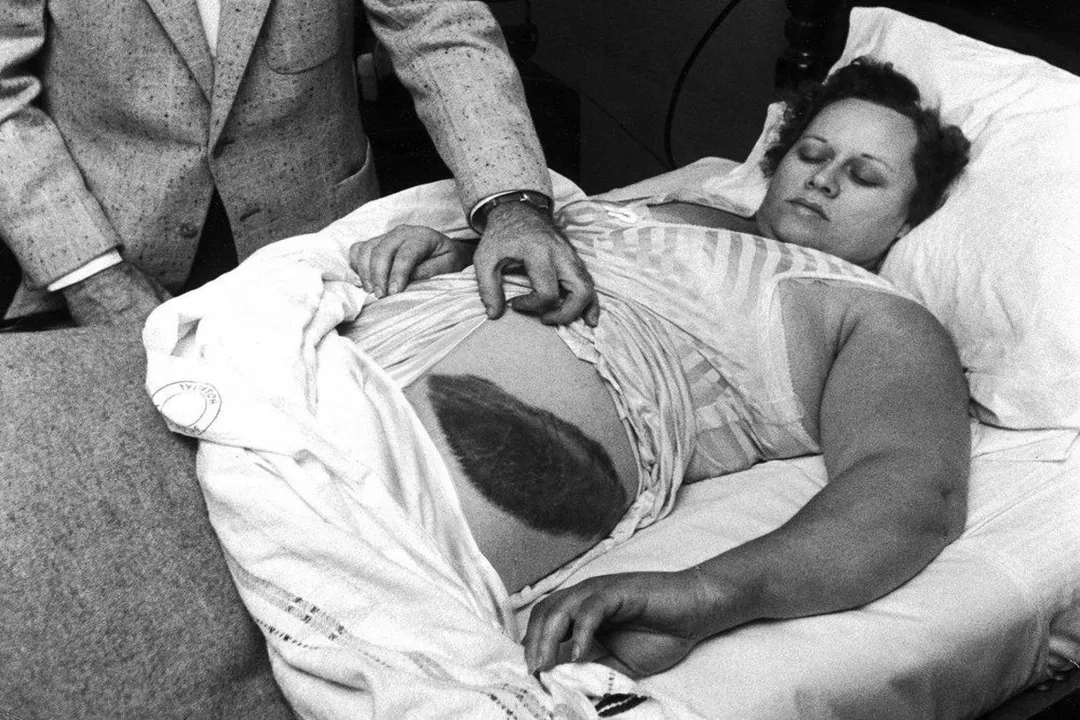
Contrast that potential fatality with the single most famous documented instance of a human being struck by a meteorite and surviving: Ann Hodges of Sylacauga, Alabama, in 1954. This event is the benchmark for "unlucky" terrestrial encounters with extraterrestrial material.
On November 30, 1954, Ann Hodges was napping on her sofa in her home when a grapefruit-sized meteorite, later identified as the Sylacauga meteorite, tore through the roof of her house. The rock struck her on the hip and thigh, knocking her unconscious and leaving a severe bruise. While the impact itself was dramatic and terrifying, she was treated for her injuries and released from the hospital shortly after. She is widely recognized as the only person known in modern history to have been directly hit by a space rock and lived to tell the tale.
However, the story of Ann Hodges did not end when she left the hospital. The real trouble, as some accounts note, began afterward. The meteorite fragment became an object of intense legal and public dispute. The woman who found the rock after it bounced off Mrs. Hodges—her neighbor, Mrs. Eldridge—initially claimed ownership. This led to a complicated dispute over who legally possessed the space traveler, a drama that reportedly caused significant stress for the Hodges family. The fragment itself weighed about 8 pounds and was nearly 5 inches in diameter.
Here we see an interesting divergence in the narrative of terrestrial impacts: one case potentially involves instant death in an era with poor record-keeping, while the other involves severe but non-fatal injury followed by years of bureaucratic and interpersonal conflict over property rights.
| Event Location | Date | Outcome | Key Detail |
|---|---|---|---|
| Sulaymaniyah, Iraq | 1888 | Probable Fatality | Oldest widely cited claim for death by impact. |
| Sylacauga, Alabama, USA | 1954 | Survival | Only documented case of direct strike resulting in survival. |

# Other Close Encounters
While direct strikes are rare, the fact that the Sylacauga meteorite passed through a roof and struck a person inside a building speaks volumes about the sheer volume of space debris that enters our atmosphere daily. Most meteoroids are tiny, disintegrating harmlessly high above the ground as meteors, or shooting stars. When a fragment does survive and land, it usually hits uninhabited areas or water.
There are numerous other documented instances of meteorites striking inanimate objects, providing statistical context:
- In 1956, a meteorite reportedly struck a house in Roanoke, Virginia, damaging a driveway.
- Even more impressively, in 1967, a meteorite famously punctured the roof of a car in the town of Peekskill, New York. This car, incidentally, became famous again decades later when the fragments of another meteorite fell near the site during the spectacular recovery of the Peekskill Meteorite in 1976.
- Objects have also been reported to strike buildings in other locales, like an incident in 1976 in a place called Thatcham, UK.
These incidents demonstrate that the Earth's surface is frequently peppered by these travelers, but the density of human targets is what keeps the fatality count so low. If one were to map out the known impact sites of even small meteorites over the past century, the vast majority would cluster over the oceans or sparsely populated continents like Antarctica or the Australian outback. The fact that Ann Hodges was hit while sunbathing in a suburban US town highlights an extreme confluence of improbable factors: the trajectory through the atmosphere, the penetration of the roof structure, and the exact placement of her body underneath that path.
# Statistical Odds
Understanding the probability requires considering the scale. Earth is a very large target, but the majority of its surface is water—roughly 71%. Furthermore, much of the landmass is sparsely populated or covered by nature preserves. Meteorites that make it through the atmosphere are also typically quite small; large, city-destroying objects, like the one hypothesized to have killed the dinosaurs, are exceptionally rare on human timescales. The objects that do land are usually small enough to be hand-held, like the one that hit Mrs. Hodges.
Consider the sheer quantity of time involved. Humans have been recording events for millennia. For only one or perhaps two instances to be cited as a fatality—one highly debated from the 19th century and the other being a survival story—suggests that the odds of a fatal encounter are perhaps equivalent to winning a very specific, low-odds prize in a national sweepstakes, not just once, but over the entire history of human civilization. It makes the Sylacauga event feel less like a random occurrence and more like an almost impossible statistical fluke that happened to land in a populated area, yet miraculously spared the occupant's life. This low frequency of death, contrasted with the high frequency of strikes on inanimate objects or open ground, is the true story of cosmic geology meeting biology.
#Videos
The Only Human Killed by a Meteorite, How Likely Is It? - YouTube
Related Questions
#Citations
Ann Hodges, the only human being in recorded history to be hit by a ...
Unconfirmed, unlucky tales of people killed by meteorites
For the Only Person Ever Hit by a Meteorite, the Real Trouble Began ...
The Only Person To Ever Be Killed By A Falling Meteorite Was ...
Meteorites That Hit Buildings, Cars & People - FossilEra.com
Terrible luck: The only person ever killed by a meteorite—back in 1888
The Woman Who Was Hit by a Space Rock and Lived
Sylacauga (meteorite) - Wikipedia
The Only Human Killed by a Meteorite, How Likely Is It? - YouTube
Death by Meteorite?: March 25, 2022 - StarDate Online