How does supermoon affect us?
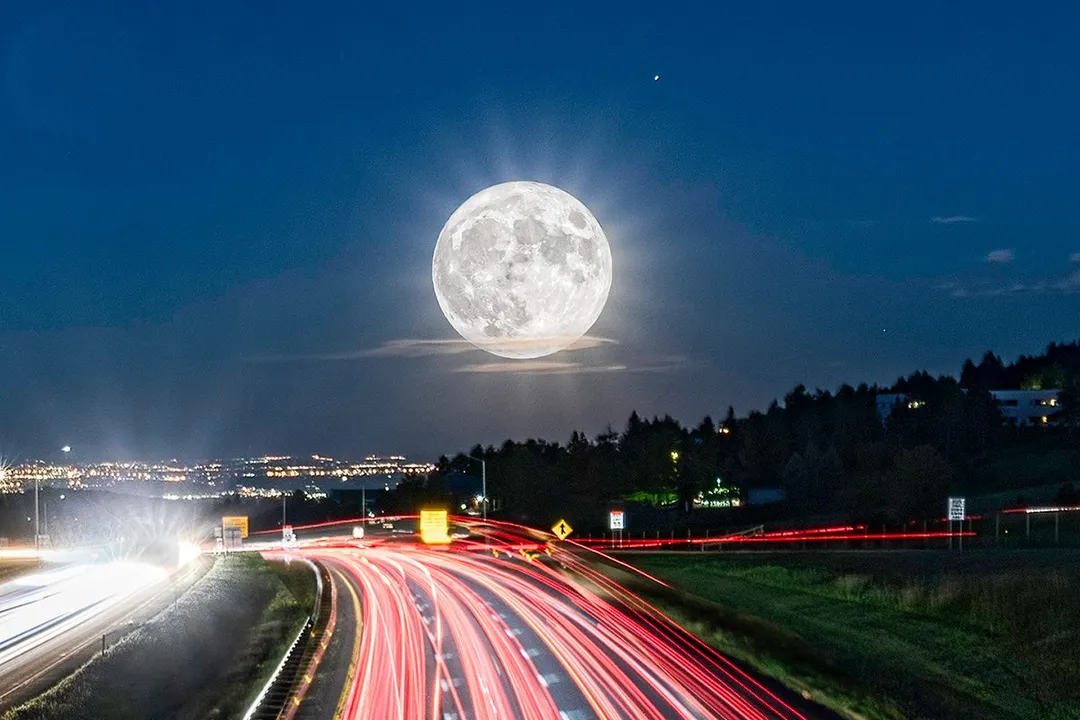
The notion that the Moon, when unusually close, holds some special, perhaps mystical, sway over our daily lives—our moods, our sleep, or even major terrestrial events—is a persistent cultural theme. When the full moon hangs particularly large and brilliant in the night sky, it’s often dubbed a "supermoon," prompting questions about its actual impact on the world below. To understand this phenomenon, we first need to look at what a supermoon actually is from a scientific perspective, and then compare that science against the folklore and anecdotal evidence surrounding these celestial events.
# Defining The Term
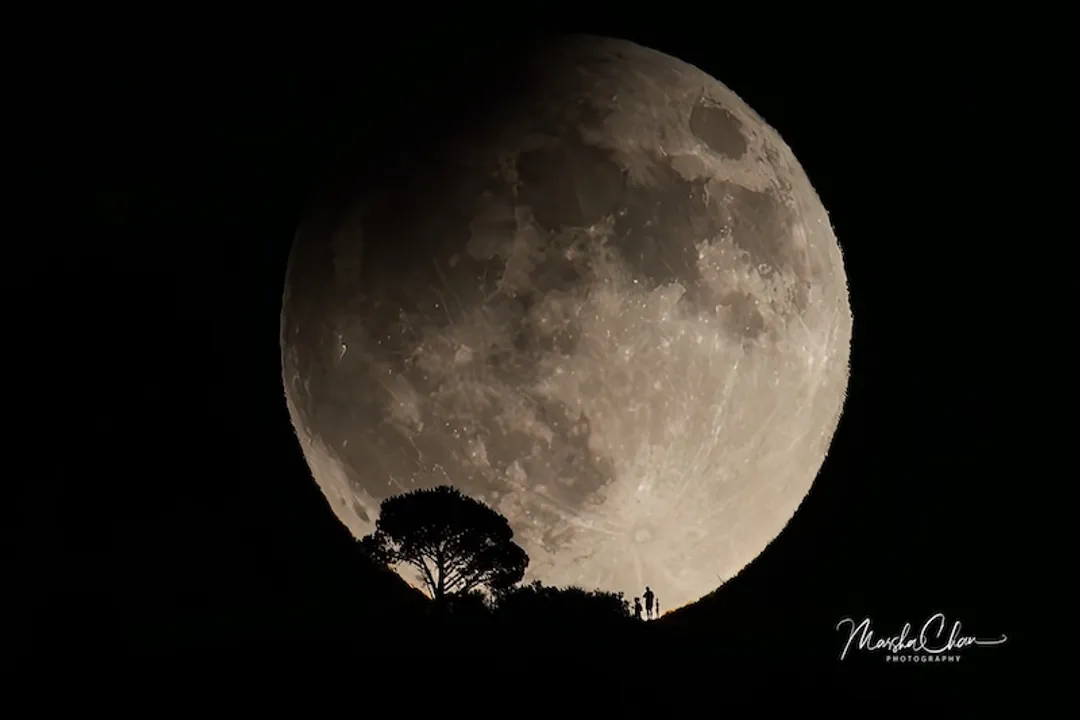
The term "supermoon" itself isn't an official designation used by astronomers, but rather a moniker originating from the world of astrology, coined by Richard Nolle back in 1979. [6][9] In astronomical terms, it describes a new or full moon occurring when the Moon is near its closest point to Earth in its orbit. [1][5][9]
The Moon’s path around our planet is not a perfect circle; it follows an ellipse. [5] This means there is a point where the Moon is nearest to Earth—called perigee—and a point where it is farthest away—called apogee. [5] A true supermoon event happens when a full or new moon aligns closely with perigee, generally defined as when the Moon is within 90% of its closest approach to Earth during that particular orbit. [5][9][6]
This close alignment means that, when we witness a perigean full moon, it is physically closer to us than an apogean full moon (the one appearing farthest away). [5]
# Appearance Vs Reality
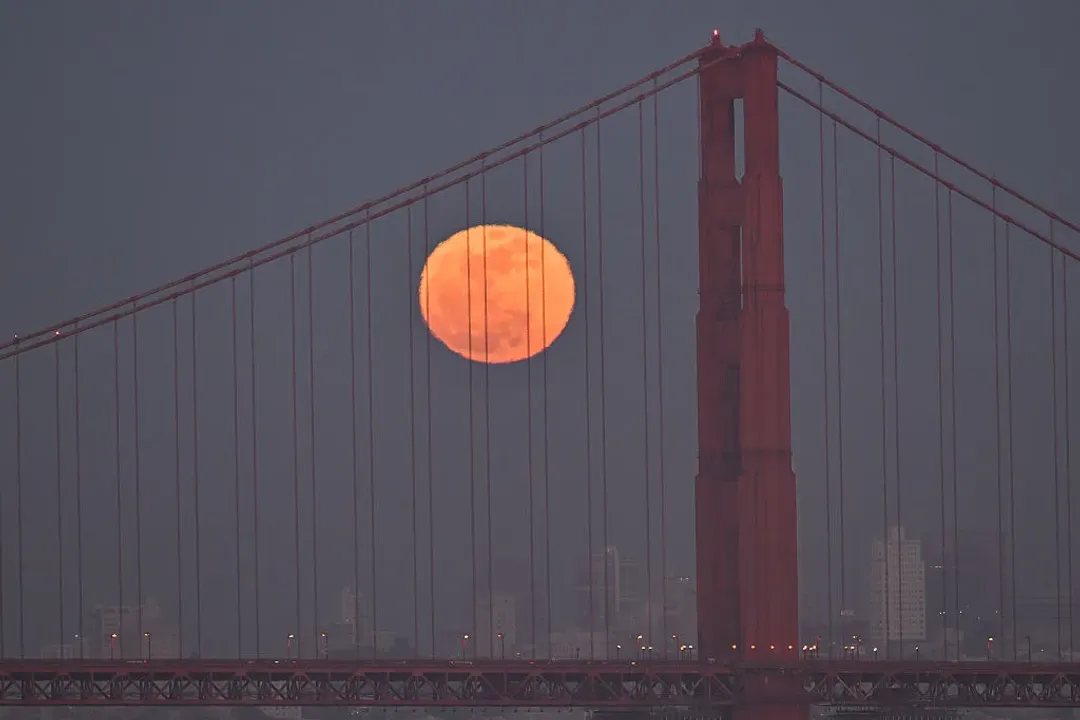
Because the Moon is slightly closer during a supermoon, it does appear a bit larger and brighter than the Moon at its farthest point. Specifically, a perigean full moon can appear about 14% larger and around 30% brighter when compared to the smallest possible full moon we see from Earth. [5][2]
However, judging that 14% difference visually is incredibly difficult for the casual observer. [2] Our eyes are not great at making direct size comparisons in real-time without an identical object nearby for reference. Furthermore, any perceived size difference is often exaggerated by an atmospheric effect known as the Moon Illusion. [2] This illusion causes the Moon to look substantially bigger when it is near the horizon—perhaps when it is rising or setting—compared to when it is high in the sky, even though its actual angular size hasn't changed. [2] If you manage to snap a photo of the supermoon right on the horizon and then another one an hour later when it’s higher up, you’ll likely notice the difference in the photos is mostly due to this illusion, not the orbit. [2]
The visual effect is undeniably impressive, offering a stunning spectacle for skywatchers, but the actual physical difference in size remains subtle unless you have comparative photographs handy. [2]
# Gravitational Pull Facts
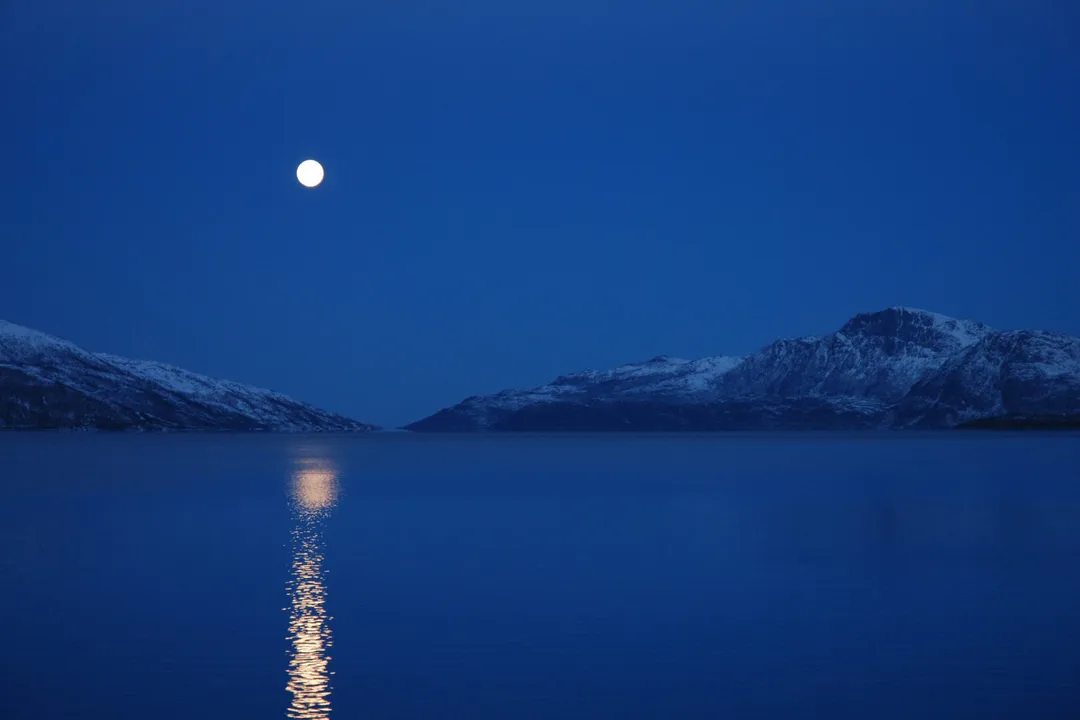
The closest proximity of the Moon during a supermoon naturally leads to questions about its gravitational influence on Earth. Since gravity depends on distance, the Moon’s gravitational pull is indeed slightly stronger during perigee. [1]
This increased pull is most measurable in the oceans, contributing to higher tides. When the full or new moon aligns with perigee, the combined gravitational forces of the Sun and Moon create what are known as Perigean Spring Tides (PST). [1] Spring tides, in general, occur twice every lunar cycle when the Sun, Earth, and Moon align, causing higher-than-average high tides and lower-than-average low tides. [1]
During a supermoon PST, the tidal range—the difference between high and low tide—is marginally increased, perhaps by just a few inches compared to a typical spring tide. [1] For most coastal areas, this slight elevation is not significant enough to cause noticeable flooding or disruption unless it coincides with other weather factors, such as a significant storm system generating a surge. [1]
When considering the potential for drastic geological effects, the scientific consensus is clear: there is no evidence suggesting that supermoons trigger earthquakes, volcanic eruptions, or other major movements within the Earth’s crust. [1][6] While the Moon's gravitational tug does affect the solid Earth slightly—causing tiny "Earth tides"—the supermoon’s increased influence remains minor and well within normal geophysical variations. [1] If we compare the extra tidal push from a supermoon to the massive, predictable swings in the ocean we see during seasonal events like King Tides, the supermoon’s contribution is often less impactful on a local scale than some might assume [^A subtle context to consider here is that while the absolute tidal effect is small, monitoring these specific high tides is helpful for coastal engineering planning, as they represent the upper boundary of predictable lunar-driven sea level fluctuations, even if the difference year-to-year is minor for non-storm events].
# Human Behavior Myths
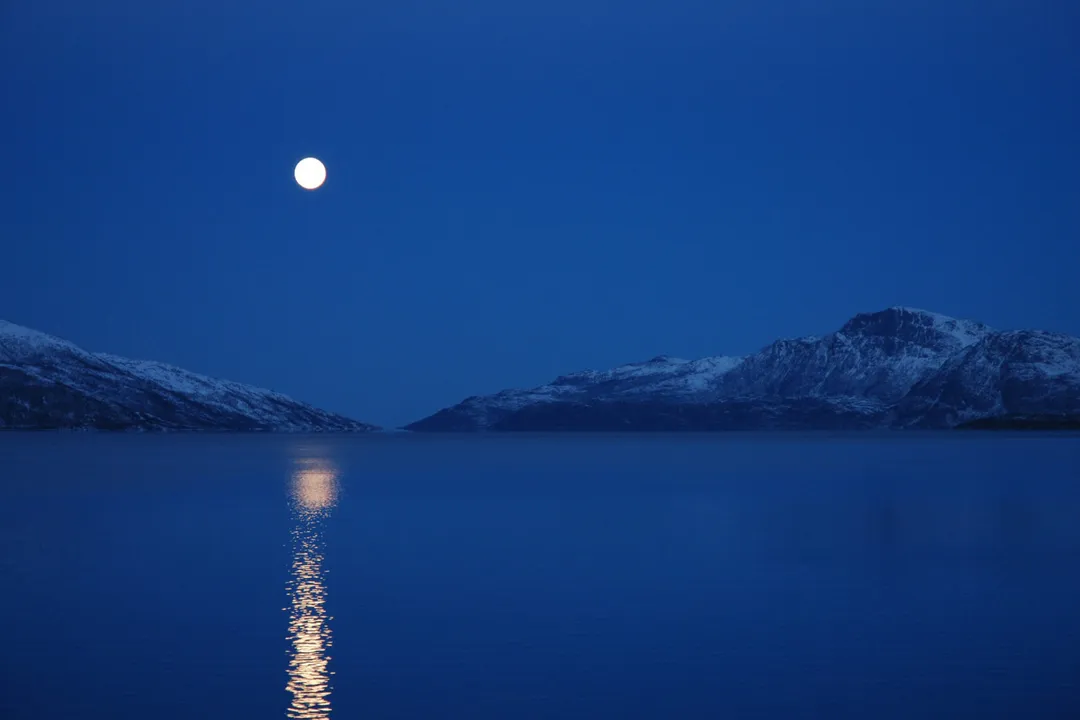
Perhaps the most enduring question is whether this celestial event affects human psychology or public order. Beliefs that the full moon, let alone a supermoon, influences human behavior—such as increasing erratic actions, crime rates, hospital admissions, or even birth rates—are widespread. [1][3]
Science has largely failed to validate these claims when subjected to rigorous testing. Studies examining correlations between full moons and incidents like psychiatric emergencies, violent crime, or births often find no statistically significant link when proper control variables are applied. [1][3] The apparent spikes observed are usually attributable to random chance or bias in reporting—people tend to remember the dramatic event that happened on a full moon night and forget the countless uneventful full moon nights. [1]
Even the specific focus on the supermoon rarely changes the outcome. Since the superstitions generally surround the full moon phase itself, the slightly larger visual presentation of a supermoon doesn't seem to introduce new behavioral effects not already associated with any full moon. [3]
For those interested in the spiritual or anecdotal side, many individuals genuinely report feeling more sensitive, emotionally heightened, or energetic during the full moon cycle. [4] Whether this is a true reaction to subtle physical shifts or a powerful example of the placebo effect—where expectation dictates experience—is difficult to isolate. If you strongly believe a full moon will affect your mood, you are more likely to notice and attribute every feeling to that celestial body. [4]
# Sleep Disruption Talk
One common, tangible concern relates to sleep. Some anecdotal reports and limited studies suggest that the brighter light of a full moon might be enough to disrupt our circadian rhythms or reduce sleep quality. [10]
If the sky is clear during a supermoon, the added brightness could, theoretically, be enough to interfere with melatonin production, making it harder to fall asleep or leading to more nighttime awakenings. [10] Research on the subject, however, has produced mixed results regarding the full moon's effect on sleep duration and efficiency. [1] Some controlled experiments have shown only minor differences in sleep patterns during full moon nights compared to new moon nights, suggesting that any effect is minor for most people. [1]
If you find yourself tossing and turning when the Moon is bright, the solution isn't avoiding the sky altogether, but controlling your immediate environment. A simple, practical countermeasure is ensuring your bedroom is as dark as possible—investing in high-quality, opaque blackout curtains can effectively eliminate the light from even the brightest supermoon, allowing your body's natural sleep processes to proceed undisturbed, regardless of what is happening 238,900 miles away [^A practical approach here is to time your celestial appreciation. Enjoy the bright view early in the evening when you are still active, and then ensure your sleep environment is totally sealed off from external light sources by bedtime].
# Observing The Moon Better
Since the most profound and verifiable effect of a supermoon is visual, maximizing your enjoyment of the sight is the best way to engage with the event. As mentioned, the greatest apparent size difference occurs when the Moon is near the horizon due to the Moon Illusion. [2]
To truly appreciate the visual difference that the proximity offers, timing your observation around moonrise is key. When the Moon is just clearing the horizon, the surrounding landscape gives your brain clear reference points, making the Moon look immense. [2] If you want to try and verify the 14% size difference for yourself—a fun exercise in observation—try this comparison:
- Wait for the supermoon to rise. Take a photograph of it low on the horizon. [2]
- Wait a few hours until the Moon is high overhead (near the zenith). The Moon Illusion will have diminished, and the Moon will appear visually smaller in the sky. [2]
- Take a second photograph using the exact same camera settings (zoom, exposure, etc.) [^B_Tip: Keeping camera settings identical is crucial; changing exposure to brighten the zenith moon will artificially inflate its appearance in the second shot].
- Compare the two images side-by-side. While the horizon shot will look much larger due to perspective, the underlying difference caused by the orbital mechanics is what you are seeing magnified by the atmospheric effect. [2]
Ultimately, the supermoon is a wonderful demonstration of orbital mechanics in action. It reminds us that the Moon’s path is dynamic, not static, and provides an excuse to step outside and look up at the nearest celestial neighbor. While it may not rewrite our behavior or shake the ground beneath us, the enhanced spectacle certainly offers a memorable night sky event worthy of attention.
Related Questions
#Citations
Does a supermoon have a super effect on us? - EarthSky
5 Things to Know About Supermoons - Adler Planetarium
Do full moons and supermoons really influence people and animals?
Why Do Some People Feel the Effects of the Full Moon More Than ...
What is a supermoon? | Natural History Museum
Supermoon - Wikipedia
Dark side of the supermoon? Potential dangers of a full Moon ...
Supermoons - NASA Science
EarthSky - Facebook
'I'm a sleep expert, here's why supermoons cause chaos with your ...