What is the approximate round-trip distance a GEO signal must travel to reach the satellite and return to the ground?
Answer
Nearly 72,000 kilometers round trip
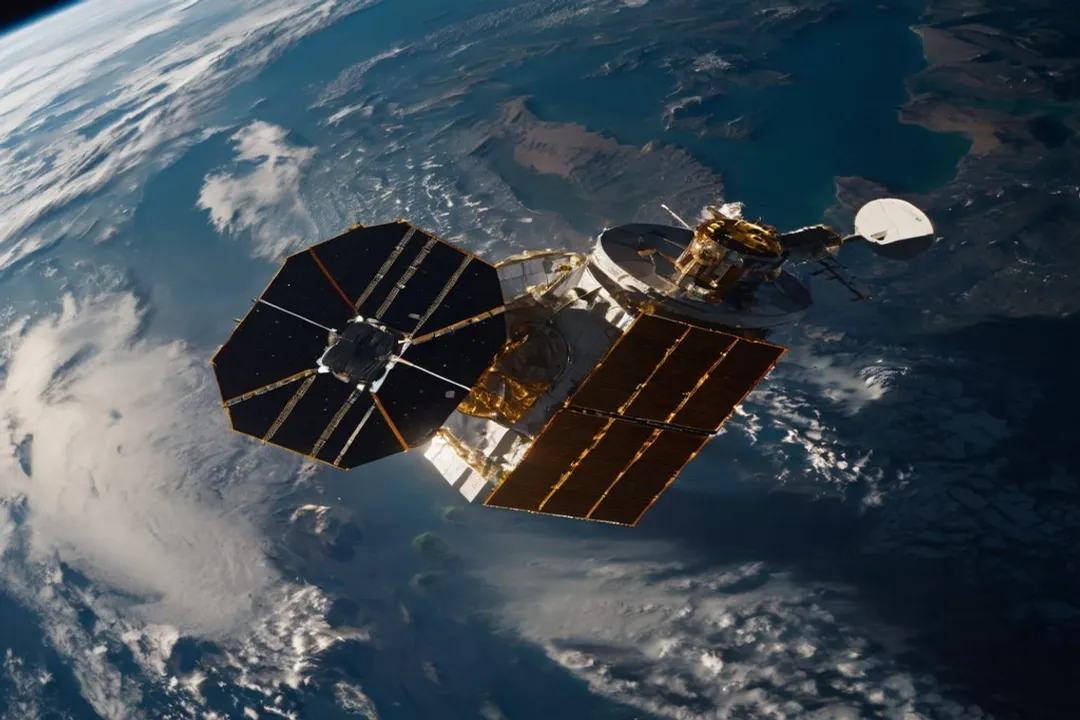
Signal speed differences are directly tied to the distance data must travel. A GEO satellite orbits at approximately 35,786 kilometers above the Earth. When calculating the round trip for a signal—from the transmitter on the ground up to the satellite and back down to the receiver—the total distance covered is nearly double the altitude, resulting in an approximate total path length of 72,000 kilometers. This extensive path length is the fundamental reason why GEO links exhibit high latency, typically measured around 500 to 600 milliseconds. In contrast, LEO signals travel a much shorter distance due to their proximity of 500 to 2,000 kilometers.
Related Questions
What is the approximate operational altitude range for Low Earth Orbit (LEO) satellites?How does LEO proximity affect signal latency compared to GEO, specifically regarding interactive applications?What physical environmental factor limits the practical lifespan of LEO craft to five to seven years?For continuous, global coverage, how many satellites are generally sufficient for a GEO Systems constellation?What complexity must LEO ground equipment employ that GEO terminals, which point to a stationary satellite, do not require?What is the approximate round-trip distance a GEO signal must travel to reach the satellite and return to the ground?Which geographic areas can LEO constellations provide reliable coverage to that GEO satellites fixed on the equator cannot serve effectively?How does the lower power requirement for LEO satellite signals benefit the spacecraft itself?What is the expected operational lifespan GEO satellites enjoy due to their calm orbital environment?How does the cost profile of LEO systems differ from GEO systems regarding investment structure?