How does the mapping strategy of SPHEREx differ from telescopes like Hubble or Webb?
Answer
It acts as an all-sky observer rather than targeting specific, narrow patches of the sky
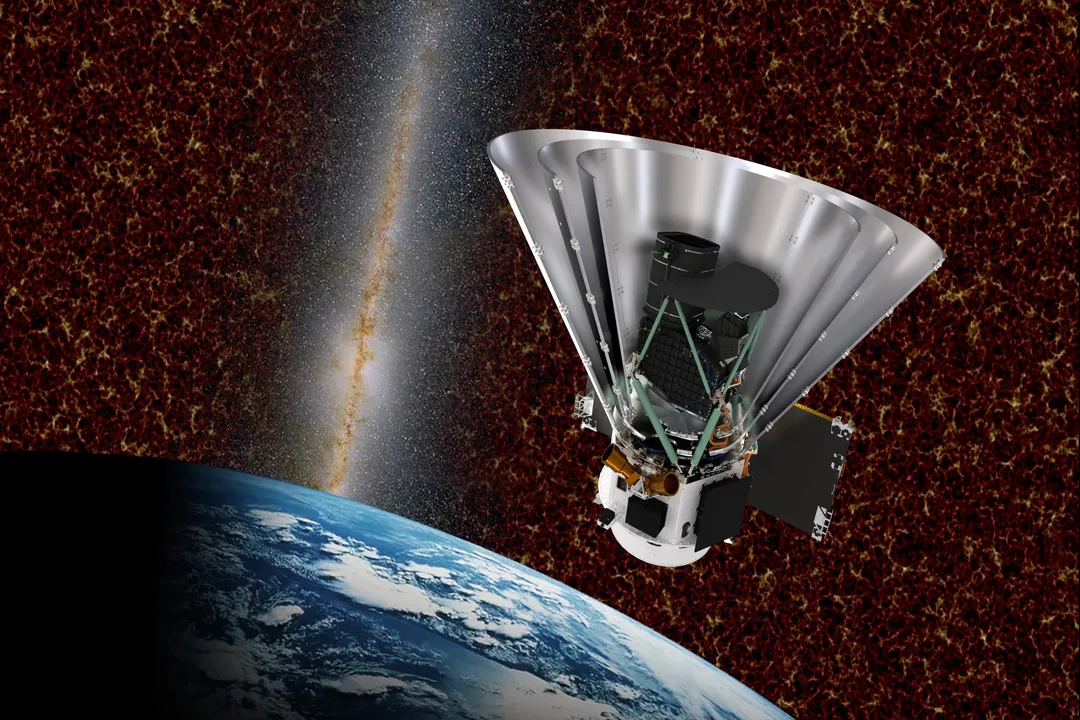
Telescopes like Hubble and Webb are often likened to high-resolution photography, providing incredible detail but only for tiny, specific slices of the cosmos. This is sometimes called the soda straw effect. Conversely, SPHEREx operates as an all-sky surveyor, functioning like a cartographer creating an atlas. While it trades deep-zoom resolution for breadth, this wide-angle view provides the context necessary to study large-scale phenomena.
Related Questions
What does the acronym SPHEREx stand for in the context of the NASA mission?What specific phenomenon does SPHEREx aim to measure regarding the earliest moments of the universe?How does SPHEREx contribute to the study of galaxy assembly throughout cosmic history?What is the primary objective of the SPHEREx mission regarding interstellar ices?Which spectral range does the SPHEREx spectrometer utilize to observe the sky?What type of data format does SPHEREx produce for every point in the sky?How does the mapping strategy of SPHEREx differ from telescopes like Hubble or Webb?How often does the SPHEREx mission perform an all-sky survey?What types of tests did the Jet Propulsion Laboratory and industry partners perform on the SPHEREx hardware?What does the spectral information collected by the SPHEREx instrument reveal about observed objects?