Are hot or cool stars more common?
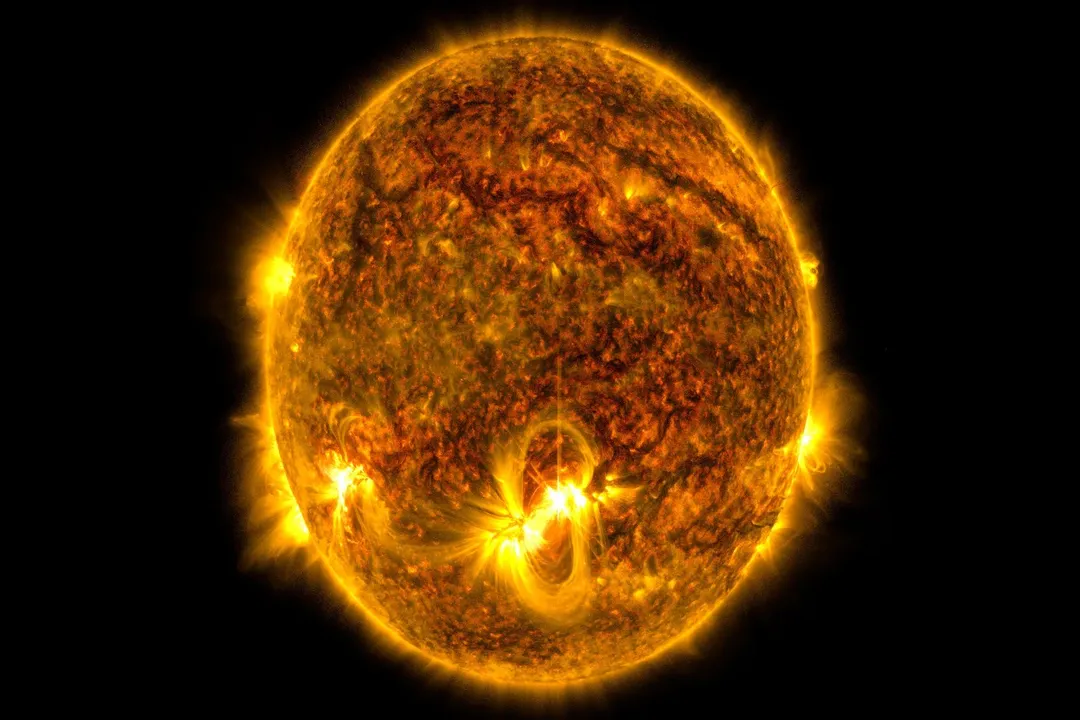
The true abundance of stars in the cosmos is often surprising, especially when contrasting what we see with what is actually out there. While a casual glance at the night sky might suggest a wide distribution, the overwhelming majority of stars inhabiting the Milky Way galaxy are, in fact, quite cool compared to our own Sun. [1][6] This distribution has profound implications for understanding galactic demographics and the prevalence of habitable worlds.
# Stellar Heat Scale
To answer which stars are more common, we first need a reliable way to rank their temperatures. Astronomers classify stars based primarily on their surface temperature, which dictates their color and spectral features, using the famous spectral sequence designated by the letters O, B, A, F, G, K, and M. [1] This sequence runs from the hottest stars (O-type) to the coolest (M-type). [1][9]
The temperature of a star is directly linked to the light it emits; a hotter star appears bluer or whiter, while a cooler star appears redder or orange. [4] This relationship is fundamental: as surface temperature decreases along the spectral sequence from O to M, the star's color shifts toward the red end of the spectrum. [1][4]
The spectral sequence details a broad range of thermal conditions:
- O-Type Stars: These are the hottest and most massive types, featuring surface temperatures typically above $30,000$ Kelvin. [1]
- M-Type Stars: These occupy the cool end of the sequence, often possessing surface temperatures below $3,700$ Kelvin. [1]
When we consider the limits of this thermal classification, the range is vast. On the very high end, the most luminous and hottest stars may briefly reach temperatures up to $100,000$ Kelvin, although stable stars rarely exceed $50,000$ Kelvin on their surface. [2] Conversely, the lower boundary for what is still generally considered a star can dip below $2,000$ Kelvin. [2] Our familiar star, the Sun, is classified as a G-type star, specifically G2V, with a surface temperature of approximately $5,778$ Kelvin. [1][6] This places the Sun squarely in the middle of the temperature range defined by the main sequence classes. [1]
# Spectral Distribution

The key to determining commonality lies not just in the temperature range, but in how many stars fall into each category. When examining stellar populations, a significant bias toward the cooler, lower-mass end of the spectrum emerges. [1]
The general stellar makeup of the galaxy is heavily skewed toward the lower end of the OBAFGKM scale. [1][9] Specifically, the M-class stars, known commonly as red dwarfs, are by far the most numerous stellar objects known. [1][9] These small, cool stars dominate the census of stars in the Milky Way. [1]
While the O-type stars are incredibly bright and spectacular—earning them the attention of early astronomy due to their visibility—they are extremely rare in terms of sheer numbers. [1] Similarly, the Sun, a G-type star, is not typical of the majority of stars in the galaxy; it's a middle-ground star, neither extremely hot nor extremely cool when compared to the full population. [6]
# Observational Bias
It might seem counterintuitive that the stars we observe most easily are the least common types. If red dwarfs are the galaxy’s majority inhabitants, why do we see so many bright, hot stars? This discrepancy is largely an artifact of distance and intrinsic luminosity. [4]
Hot stars, like the O and B types, are intrinsically very luminous. Their tremendous output means they can be spotted across vast interstellar distances, even though there are very few of them. [1] A single, very luminous hot star can outshine thousands of its dimmer, cooler cousins that might be much closer to us but simply too faint to see without specialized equipment. [4] For an observer on Earth, the stars that dominate our night sky view are disproportionately the massive, hot, and short-lived stars because their brightness overcomes interstellar dust and distance. [1] The faint, cool stars, which make up the bulk of the population, are often too dim to be seen unless they are relatively near neighbors to our solar system. [9]
| Spectral Class | Approximate Temperature (K) | Relative Abundance | Example |
|---|---|---|---|
| O | $>30,000$ | Very Low | Hottest, most massive |
| F, G | $6,000 - 10,000$ | Medium | Our Sun (G-type) |
| K, M | $<5,200$ | Very High | Red Dwarfs (Most Common) |
| Data synthesized from spectral classification standards |

# Longevity and Numbers
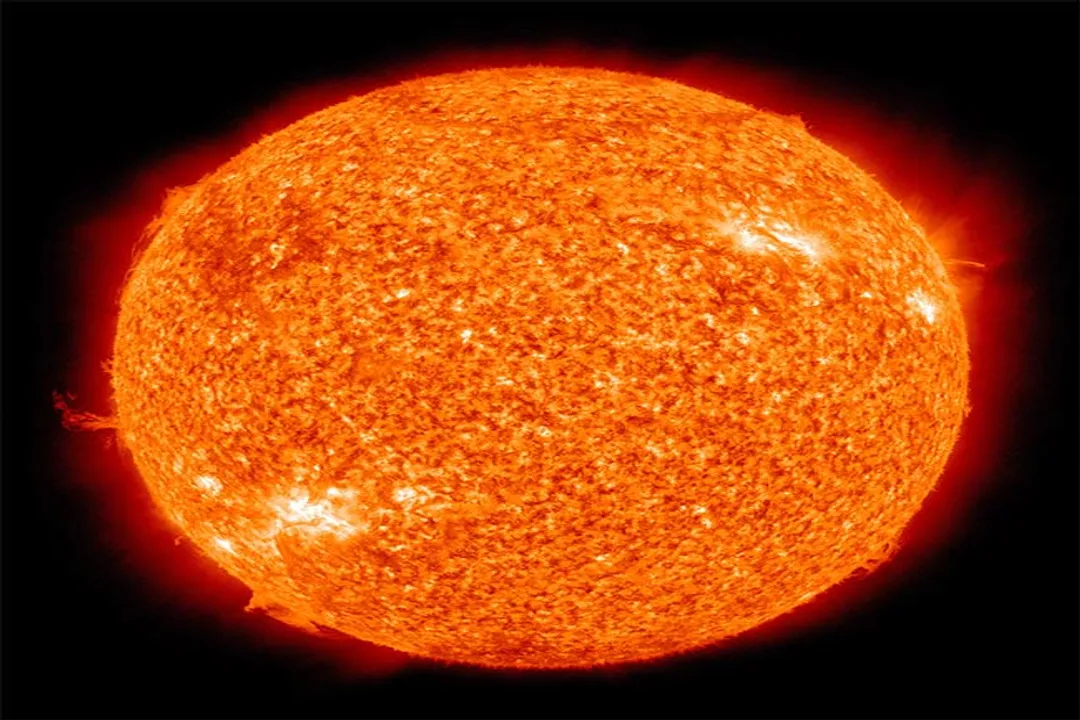
The extreme prevalence of cool stars, particularly the M-dwarfs, is fundamentally tied to their low mass and, consequently, their extremely long lifespans. Stars maintain their energy output by fusing hydrogen in their cores, but the rate at which they consume their fuel depends heavily on their mass. [9]
Low-mass stars like red dwarfs burn their fuel at an incredibly slow rate compared to solar-mass stars or massive giants. [9] While a star like the Sun has a lifespan measured in billions of years, and a massive O-type star might only live for a few million years, M-dwarfs can potentially exist for trillions of years. [9] This vast difference in longevity means that as the universe has aged, the population of these slow-burning, cool stars has been allowed to accumulate and dominate the total stellar count currently visible or measurable. [9]
If we consider the galaxy's entire history, the sheer accumulated time that M-dwarfs have spent shining means that for every massive, hot star that has burned out in a dramatic fashion, countless cool stars are still quietly continuing their slow fusion processes. [9] This makes the cool stars the galaxy's long-term residents, contributing the steady background glow to the Milky Way's stellar population statistics.
# Star Diversity Beyond Heat
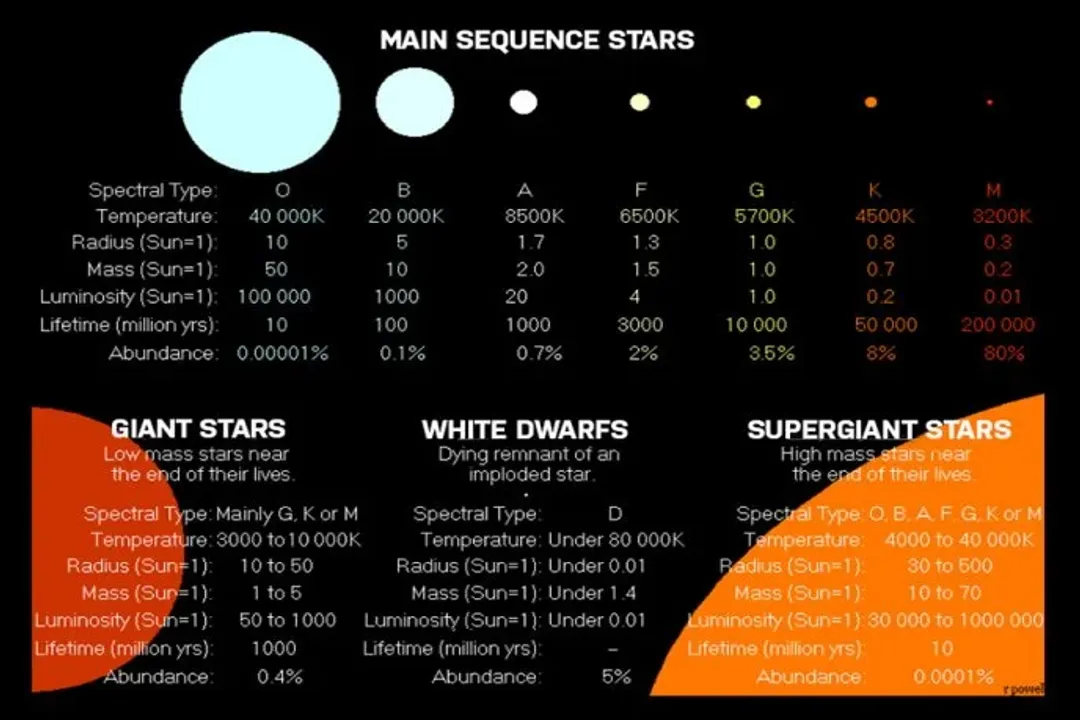
While temperature and commonality are central to stellar categorization, it is important to remember that stars are not just defined by how hot they are. Their physical size, luminosity, and evolutionary stage also vary widely across the spectral sequence. [1]
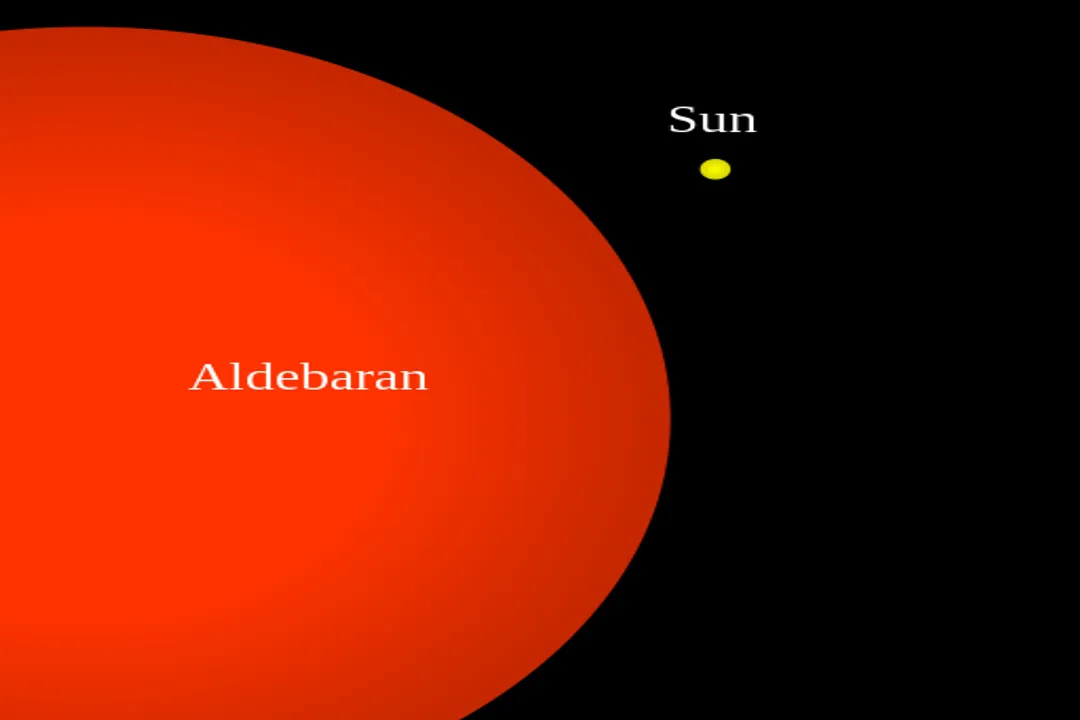
For instance, while the M-class contains the extremely numerous, low-mass red dwarfs, the M-class also includes the largest and most luminous stars in the universe: the red supergiants. [1] These gargantuan, cool stars represent the late evolutionary stage of a massive star that has exhausted its core hydrogen and expanded enormously, leading to a huge physical size despite a relatively low surface temperature. [1] Thus, while the most common M-type stars are small red dwarfs, the largest stars can also fall into the cool M-class.
The fact that we can assign every star to a place on the OBAFGKM sequence confirms that surface temperature remains the most consistent and powerful organizing principle for classifying stellar objects across the vastness of space, regardless of their current size or stage of life. [1] This system provides a consistent vocabulary for understanding both the extremely hot and the extremely cool celestial bodies that surround us. [1][2]
Related Questions
#Citations
Stellar classification - Wikipedia
What is the upper and lower limit of temperatures found on stars?
Temperature of Stars - Universe Today
The color of a star is a function of its surface temperature : r/spaceporn
Lecture 8: How Hot is a Star?
Is every star more or less hot like our Sun? - Quora
Stars are classified based on their temperature and luminosity. The ...
Star Basics - NASA Science
Types of Stars | Stellar Classification, Lifecycle, and Charts