What are the disadvantages of ion thrusters?
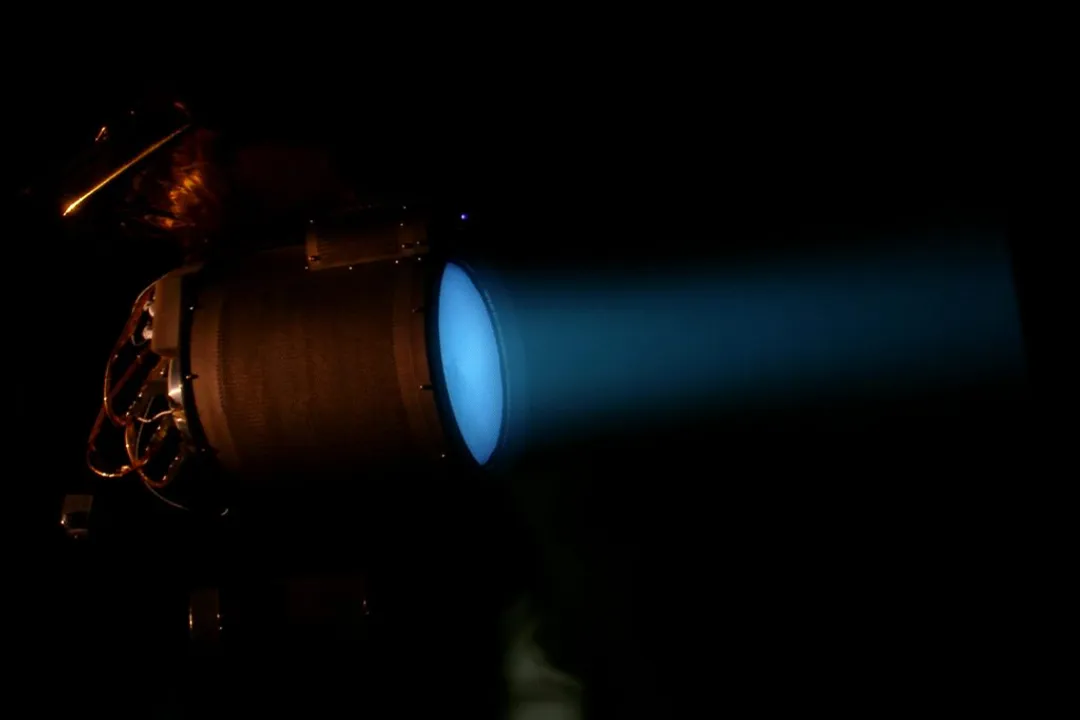
The perception of ion propulsion often centers on its remarkable fuel efficiency, promising missions to distant corners of the solar system with minimal propellant mass. Yet, the reality of implementing this technology in spacecraft design involves confronting significant hurdles that prevent ion thrusters from replacing conventional chemical rockets for nearly every task. These systems operate on a fundamental set of compromises, trading instantaneous power for sustained, gentle acceleration over vast periods. Understanding these trade-offs is key to appreciating why, despite decades of development, they remain specialized tools rather than universal propulsion solutions.
# Thrust Limits
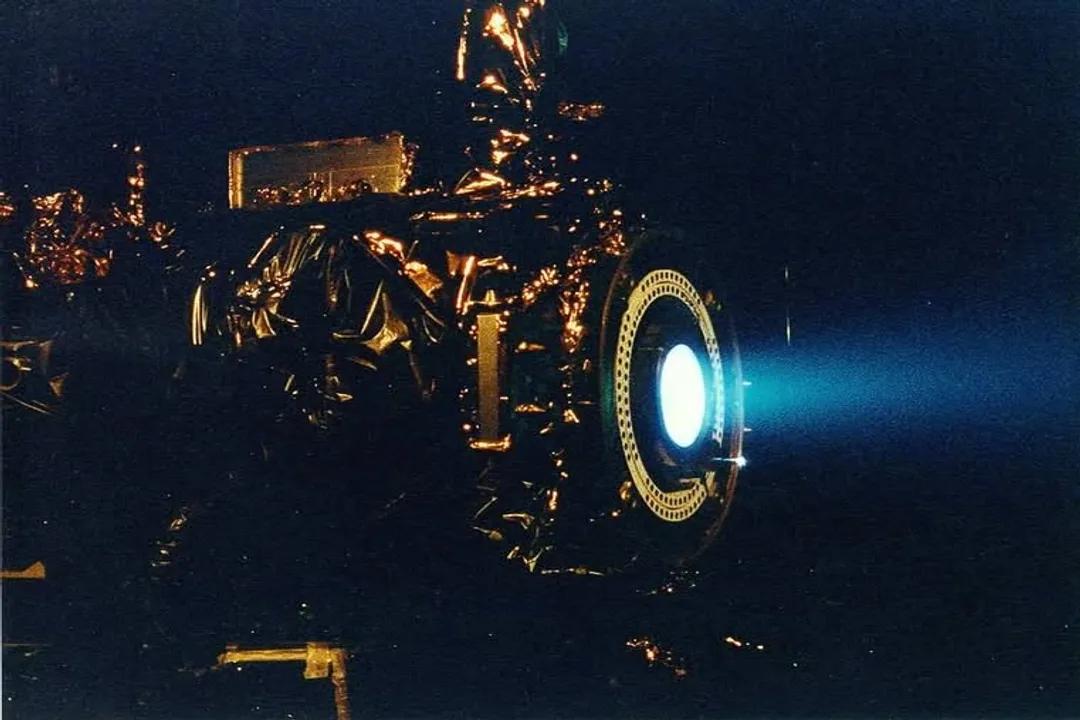
The most immediate and defining disadvantage of electric propulsion, including ion thrusters, is the extremely low magnitude of the thrust they generate. Unlike chemical rockets that produce enormous thrust for seconds or minutes to escape a planet's gravity well, ion thrusters produce only a minuscule push. Depending on the specific engine, the thrust can be incredibly small, sometimes equated to the weight of a single sheet of paper held against gravity.
This minimal force dictates the operational environment for ion propulsion. They are practically useless for launch from Earth or for any scenario demanding rapid changes in velocity or orbital adjustments within a tight timeframe. A chemical rocket can thrust against Earth's gravity by producing forces orders of magnitude greater than the spacecraft's weight, allowing for ascent. Ion thrusters cannot achieve this feat; they cannot lift off the launchpad.
The implication of such low thrust is time. To achieve the necessary velocity changes () for interplanetary travel, an ion engine must run continuously for months or even years. While the total capability can be very high due to propellant efficiency, the time taken to reach that velocity can stretch mission timelines considerably. For missions where speed is critical—such as deep-space probes needing to reach Jupiter quickly to intercept a target or crewed missions where minimizing radiation exposure is paramount—this slow pace is unacceptable.
When comparing ion thrusters to Hall effect thrusters, which are another form of electric propulsion, the distinction in thrust capability is important. While both offer high specific impulse (fuel efficiency), ion thrusters typically trade a slightly lower power processing capability for higher efficiency and a longer operational life, resulting in lower thrust output compared to many high-power Hall thrusters. The entire physics behind maximizing thrust in these systems often conflicts with maximizing efficiency, creating an inherent tension in their design.
# Thrust-Weight Ratio
The inherent thrust-to-weight ratio of an ion propulsion system is intrinsically low. While the power density of the power source—like solar arrays or Radioisotope Thermoelectric Generators (RTGs)—is a major constraint on how much thrust can be generated, the ratio itself remains poor compared to chemical systems.
Consider a hypothetical scenario: a spacecraft needs to perform a significant trajectory correction maneuver that requires a within a week. If an ion engine provides only a few millinewtons of thrust, the required burn time would necessitate running the engine continuously for several days, which might be feasible, but if the required were larger or the time constraint shorter, the system simply could not deliver the required force, regardless of how much power is supplied to the thruster head itself. This mechanical limitation—the inability to generate high force—is the core constraint that confines ion thrusters to long-duration, low-urgency applications.
# Power Needs
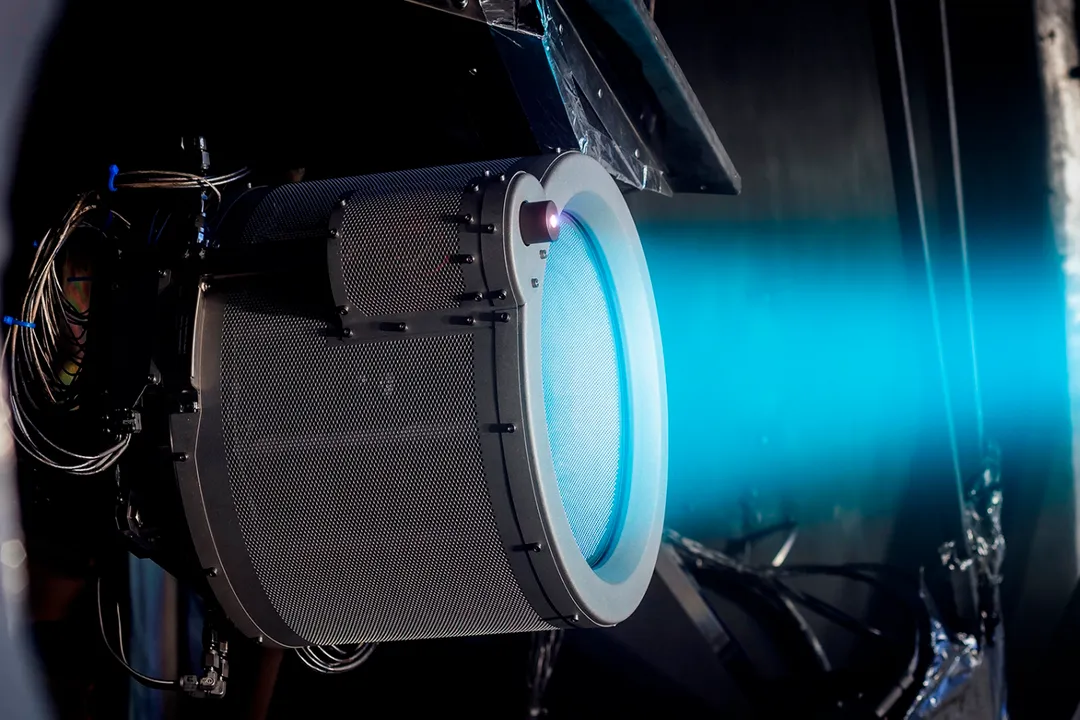
Ion thrusters function by using substantial electrical power to accelerate propellant ions to extremely high velocities, sometimes exceeding . This high electrical power demand necessitates equally large and complex power generation and conditioning systems attached to the spacecraft.
For missions relatively close to the Sun, like those to Mars or asteroid belt targets, this power is supplied by massive solar arrays. These arrays must be huge to capture enough sunlight to power the thrusters while also running all other spacecraft systems. The mass and physical volume of these deployed arrays add significant overhead to the total launch weight, which somewhat offsets the mass savings achieved by using less propellant.
For missions venturing out to the outer planets—past Jupiter where sunlight is too weak for efficient solar power—the power source must be nuclear. This means relying on RTGs, which are limited in the total power they can generate and convert into usable electricity. This hard limit on power output, dictated by the RTG's thermal design and mass, directly constrains the maximum thrust and propellant utilization rate of the ion engine.
It is a key design consideration that for deep-space, nuclear-powered missions, the mass of the power generation system (solar arrays or RTGs plus their supporting structure and power processing units) often represents a larger fraction of the total propulsion system mass than the propellant itself. This is a direct consequence of the need to convert high-power electrical energy into kinetic energy for the exhaust stream, where efficiency losses in the conversion hardware also contribute to the overall system's mass penalty.
This reliance on auxiliary power systems introduces complexity, potential failure points, and significant mass that chemical propulsion largely bypasses, as chemical rockets carry their entire energy source (the propellant itself) within the tanks.
# Component Wear
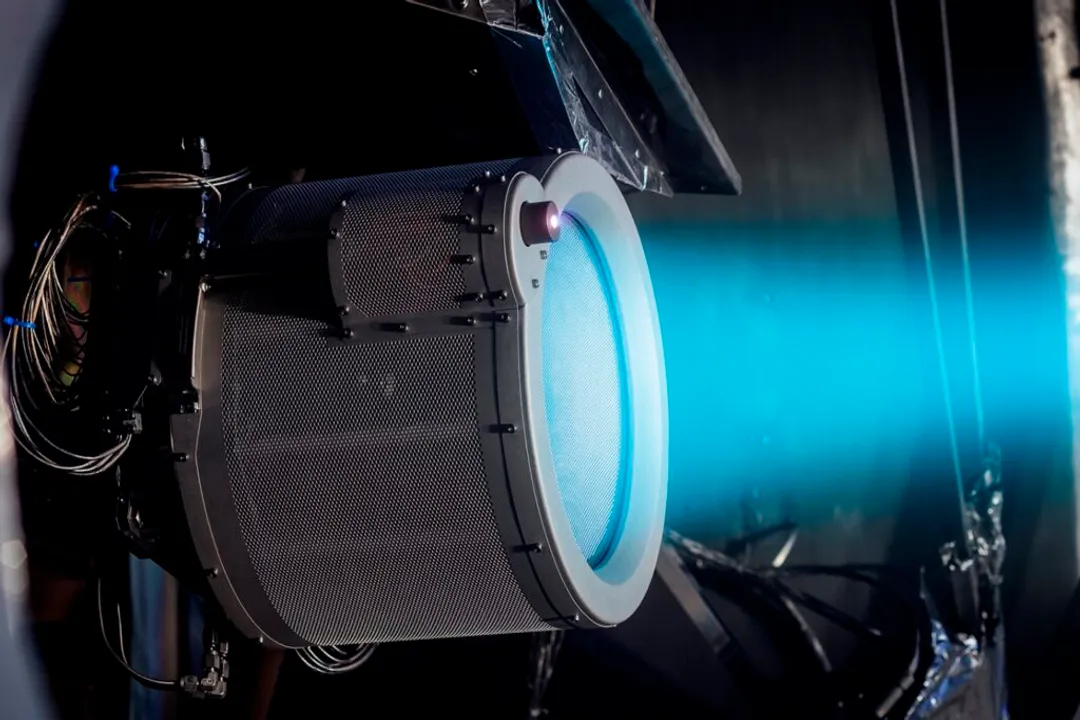
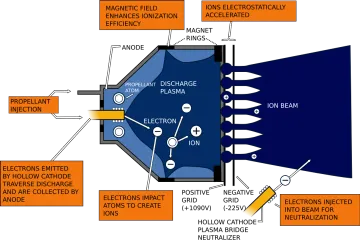
While ion thrusters excel at propellant efficiency, their physical components are subject to degradation over time, a serious concern for multi-year missions. The mechanism causing this wear is the bombardment of charged particles, specifically the ions being accelerated, which can gradually erode the engine hardware.
The primary focus of this erosion is often the electrostatic accelerator grids—the perforated metal plates responsible for directing the ion beam. Over thousands of hours of operation, the high-velocity ions cause sputtering, slowly eroding the material from these grids. This sputtering changes the geometry of the grid holes, altering the shape and direction of the ion beam, which reduces thrust efficiency and, more critically, can lead to short-circuiting between the grids if erosion becomes uneven.
To mitigate this, engineers design the thrusters to operate at lower current densities or use materials specifically selected for their low sputtering yield, like carbon composites or specialized molybdenum alloys. However, this mitigation often means intentionally throttling the engine below its theoretical maximum power level to increase its lifespan, trading achievable or total mission duration for engine survival. For missions like a proposed round-trip to Mars, the thruster must run almost continuously for years, pushing these lifetime limits significantly. The choice between high performance/short life and low performance/long life is a perpetual engineering challenge.
# Propellant Mass
Ion thrusters are celebrated for their high specific impulse (), meaning they can generate a lot of thrust from very little propellant mass compared to chemical rockets. For example, a chemical rocket might achieve an of $450$ seconds, while an ion thruster can achieve $3,000$ to $10,000$ seconds. This efficiency is excellent for achieving very large total on deep-space missions where propellant mass savings are paramount.
However, the propellant itself still has mass and volume requirements. The typical propellant used is an inert noble gas, most commonly Xenon. While Xenon is chemically inert, meaning it won't react with the engine structure, it must still be stored under pressure in heavy tanks or containers.
For a long-duration mission, the mass of the required propellant, even if small relative to the total achieved, can become substantial when added to the mass of the tanks, regulators, and plumbing needed to feed the engine. This mass, along with the power system mass mentioned earlier, must all be launched from Earth atop a conventional rocket, increasing the initial launch cost and complexity. The advantage of low propellant mass is most pronounced when the mission requires very high over very long durations, making the mass saved on fuel outweigh the launch mass of the power generation hardware. For shorter missions, the advantage is slim or non-existent.
# Operational Inertia
The primary contrast with chemical rockets lies in operational inertia. A chemical rocket is designed to deliver its entire mission capability—its ability to change speed and direction—within a few brief firing sequences, typically over a few hours or days. This allows for flexibility: if a mid-course correction calculation is updated, the spacecraft can quickly execute a burn within the next orbital window.
Ion thrusters, operating on the principle of continuous, low-thrust acceleration, create a system with high operational inertia. Once a burn sequence begins, it is generally committed to running for weeks or months to achieve significant velocity change. Interrupting a long ion burn is rarely beneficial; it means losing accumulated velocity and forcing the new burn to start from a disadvantaged point, which extends the mission timeline even further.
This rigidity means that mission planning for ion-propelled spacecraft must be exceptionally precise, accounting for every known perturbation and velocity change required from the moment the engine starts until it shuts down. Any unpredicted event—like a sensor failure requiring a rapid attitude adjustment or an unexpected trajectory correction due to early navigation data—cannot be handled with the immediate, high-thrust response available to a chemically propelled craft.
When factoring in the entire mission system, this means that while the thruster itself is a marvel of efficiency, the spacecraft bus (the main body) must be designed with significant margin to handle potential issues that cannot be quickly corrected via propulsion. This necessity for extreme upfront planning and the lack of immediate "slam on the brakes" capability forms a significant non-propulsive constraint on mission agility.
# Specific Impulse Tradeoffs
A deep dive into the physics reveals that for any given input power, there is an inverse relationship between thrust magnitude and specific impulse ().
This means that to increase the thrust (), you must either increase the input power () or decrease the exhaust velocity (which means decreasing ).
- High (Fuel Efficiency): Achieved by accelerating the propellant ions to extremely high speeds. This configuration results in very low thrust for a given power input, perfect for pushing a small probe over decades.
- Higher Thrust (Faster Changes): Requires accelerating the ions to a lower speed (lower ) or dramatically increasing the input power. If power is limited by the size of the solar array, the only way to get more thrust is to sacrifice fuel efficiency by lowering the exhaust velocity.
This fundamental relationship prevents engineers from having a single "best" ion thruster; the design must always be optimized for the specific mission requirements: is the goal maximum range (high ) or is it minimizing time in a specific orbital regime (higher thrust)? The limitations of power sources force a difficult choice along this performance curve. While Hall thrusters often bias toward the higher thrust end of the electric propulsion spectrum, the gridded ion thruster (like the NASA's NEXT or Deep Space 1 thruster) tends to emphasize the highest values achievable, accepting the corresponding thrust penalty.
#Videos
Is Ion Propulsion Safe? - Physics Frontier - YouTube
Related Questions
#Citations
Why not ion thrusters? : r/AskScienceDiscussion - Reddit
What is the drawbacks of Ion Propulsion? - Quora
Ion engines: advantages, disadvantages and prospects
Hall Effect vs. Ion Thruster: Electric Propulsion Explained | The Lee Co
How do ion thrusters work and what are their limitations? - Facebook
Is Ion Propulsion Safe? - Physics Frontier - YouTube
Ion Thrusters for Electric Propulsion: Scientific Issues
What limits thrust-to-weight ratio of ion thusters? (beside power ...
[PDF] Lifetime Assessment of the NEXT Ion Thruster