Why must ion thrusters operate in the near-perfect vacuum of space?
Answer
Atmospheric gases would degrade performance by interfering with the acceleration mechanism
The operation of an ion thruster is critically dependent on the environment because the mechanism relies on accelerating ions using precise, powerful electric fields. If atmospheric gases were present, these air molecules would immediately interfere with this process. Collisions with air molecules would either short-circuit the necessary electric fields or overpower them, drastically degrading the engine's performance and effectiveness, which is why this technology is restricted to the near-zero resistance environment of space.
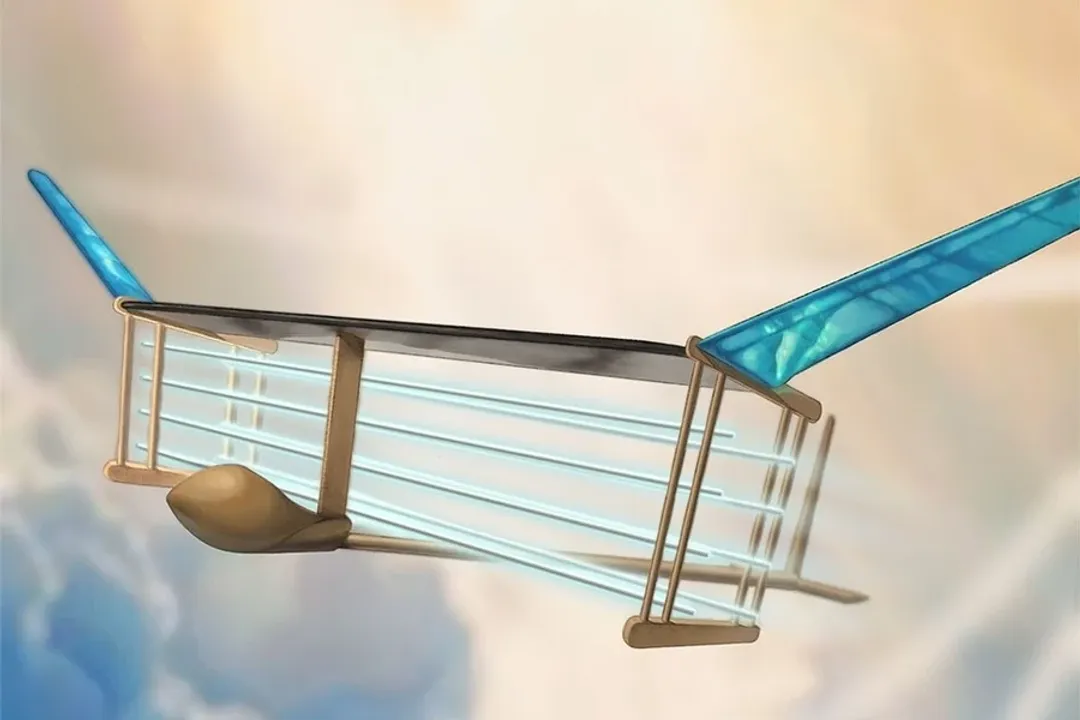
#Videos
The Next Generation of Ionic Plasma Thrusters (BSI MARK 2)
Related Questions
What metric does ion propulsion prioritize over raw power for different mission profiles?What inert gas is often used as the propellant when generating positively charged ions?Why must ion thrusters operate in the near-perfect vacuum of space?What two celestial bodies did the NASA Dawn mission use ion engines to cruise between?What governing equation determines the maximum delta-v achievable by an electric spacecraft?What power class are next-generation ion designs targeting beyond the kilowatt levels used by Dawn?Compared to chemical rockets, what is the typical thrust level of an ion thruster?What primary engineering hurdle causes failure in long-duration ion drives?What process adapts ion drive principles to create silent, terrestrial propulsion systems?Why is Xenon the preferred working fluid due to its physical characteristics?