What primary engineering hurdle causes failure in long-duration ion drives?
Answer
Erosion or wear and tear on the acceleration grids
While ion engines are highly efficient, their operational lifespan in deep space is limited by physical degradation of their components. The primary cause of failure, especially in systems designed for very long missions, is the wear and tear experienced by the acceleration grids. These grids are subjected to high-velocity ion bombardment. Ongoing research focuses on developing alternative electrode materials or magnetic confinement techniques specifically to reduce this erosion, allowing the engines to run harder and longer without failing hardware.
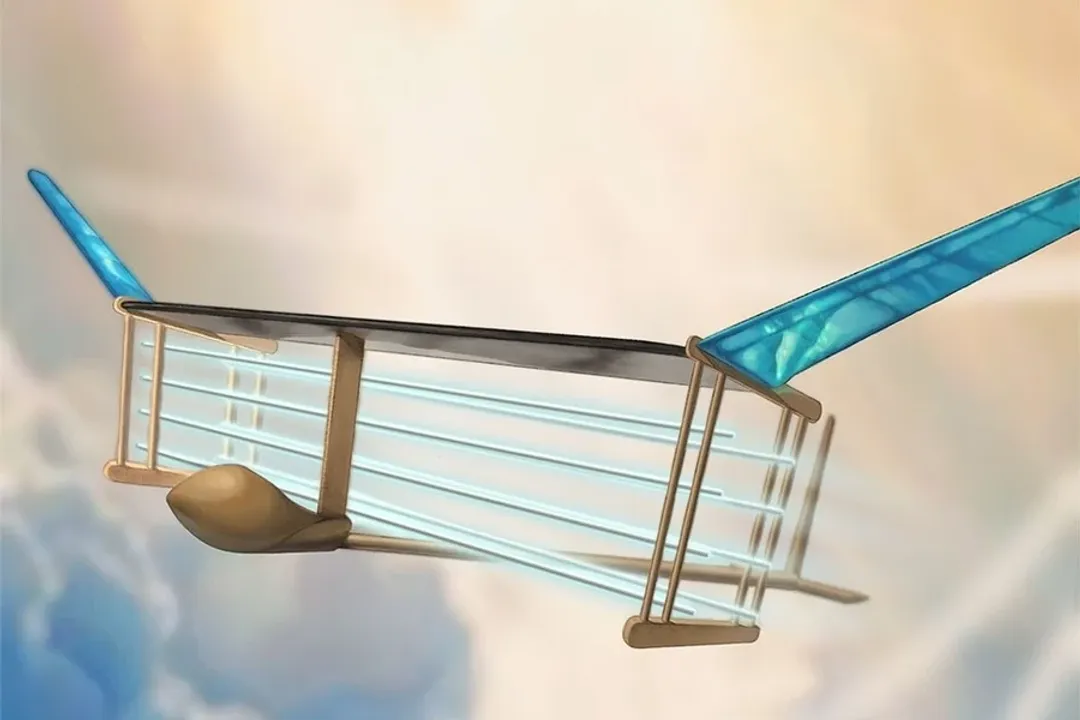
#Videos
The Next Generation of Ionic Plasma Thrusters (BSI MARK 2)
Related Questions
What metric does ion propulsion prioritize over raw power for different mission profiles?What inert gas is often used as the propellant when generating positively charged ions?Why must ion thrusters operate in the near-perfect vacuum of space?What two celestial bodies did the NASA Dawn mission use ion engines to cruise between?What governing equation determines the maximum delta-v achievable by an electric spacecraft?What power class are next-generation ion designs targeting beyond the kilowatt levels used by Dawn?Compared to chemical rockets, what is the typical thrust level of an ion thruster?What primary engineering hurdle causes failure in long-duration ion drives?What process adapts ion drive principles to create silent, terrestrial propulsion systems?Why is Xenon the preferred working fluid due to its physical characteristics?