What does the 1967 Outer Space Treaty mandate regarding celestial bodies?
Answer
No nation can claim sovereignty over a celestial body
The 1967 Outer Space Treaty establishes the fundamental legal baseline that no nation can assert sovereignty or ownership over a celestial body. This regulation prevents countries from declaring asteroids as national territory. Because the treaty prohibits sovereign claims, it creates a unique legal environment where companies must navigate how to operate and claim the resources they find. This international agreement is the foundational framework that currently dictates how private and public entities approach the rights associated with space assets.
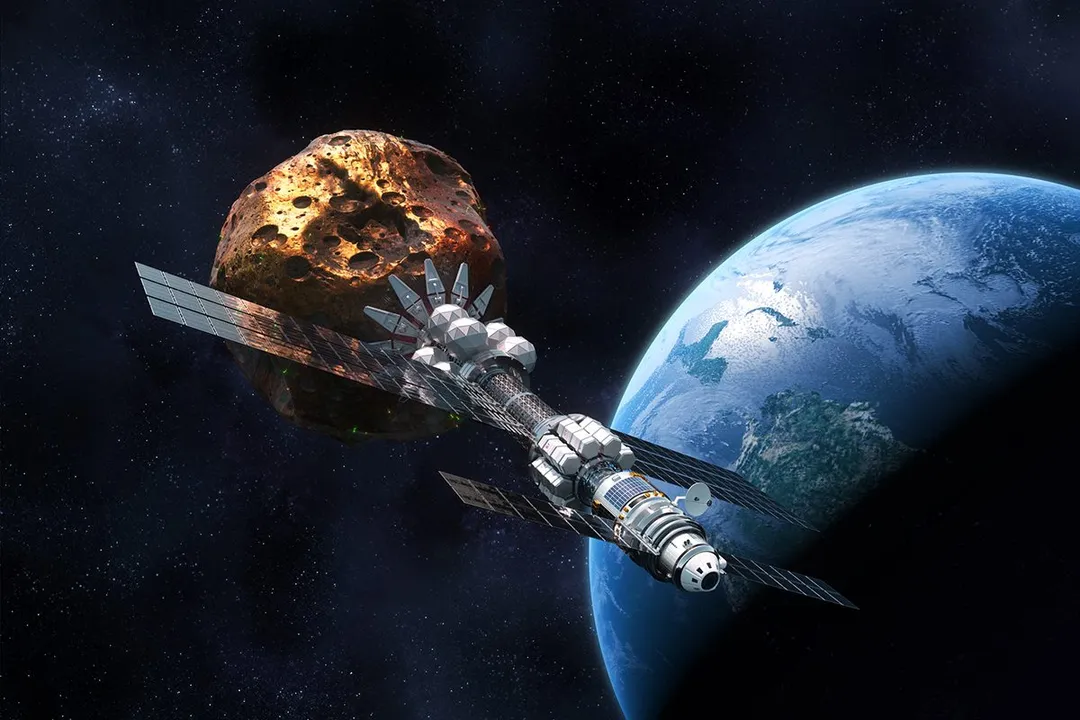
#Videos
Asteroid Mining May Not Be Possible According to a New Study
Asteroid mining: Is space the new gold rush for resource exploitation?
Related Questions
Which specific missions proved that humans can rendezvous with asteroids?How does water extraction from asteroids assist deep space exploration missions?What defines the economic value of M-type asteroids?What does the 1967 Outer Space Treaty mandate regarding celestial bodies?What does the 2015 US Commercial Space Launch Competitiveness Act allow?Why is the Infrastructure First model considered the most practical approach?Why must future asteroid mining systems be semi-autonomous?What is the primary economic obstacle to bringing asteroid materials to Earth?What characteristics make C-type asteroids valuable for mining?When do experts generally project full-scale profitable mining operations?