Is asteroid mining a reality?
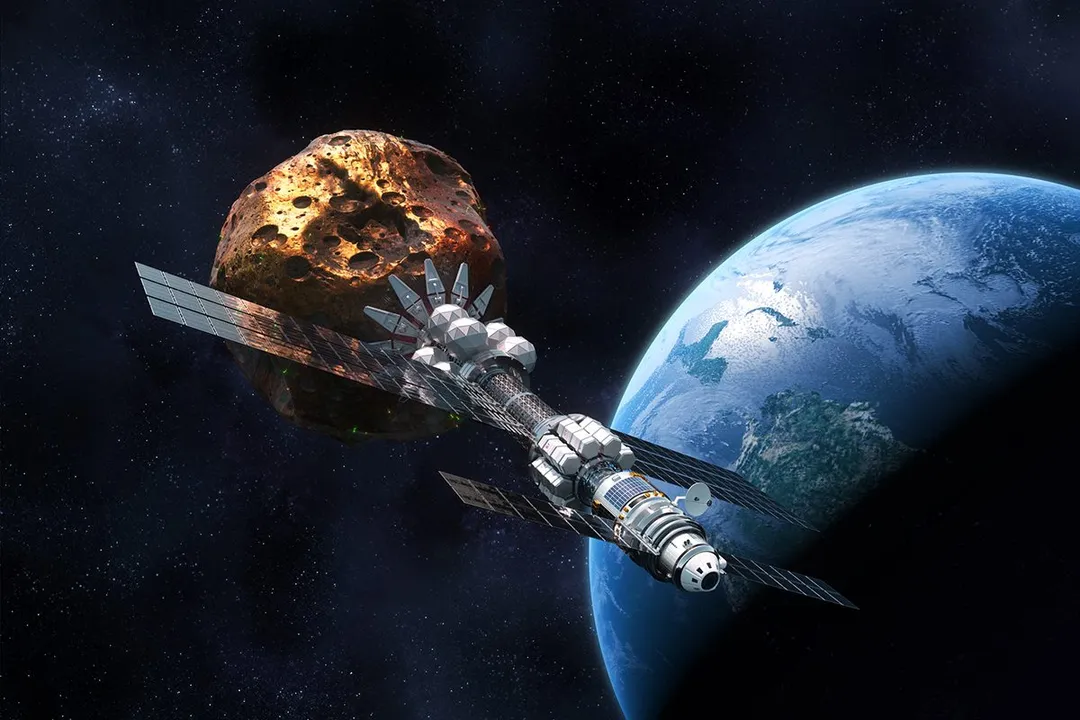
The concept of mining asteroids often feels like a relic of science fiction, appearing in movies or speculative novels as a far-off endeavor. However, the reality is that the gap between dreaming of space resources and actually capturing them is closing. We have moved past the stage of pure theory and are now in the early phases of mission planning and technical maturation. [1] While we are not yet extracting tons of iron or platinum from space rocks to haul back to Earth, missions like Japan’s Hayabusa2 and NASA’s OSIRIS-REx have proven that we can rendezvous with these bodies, touch them, and return samples to our planet. [1][5]
# Current Capabilities
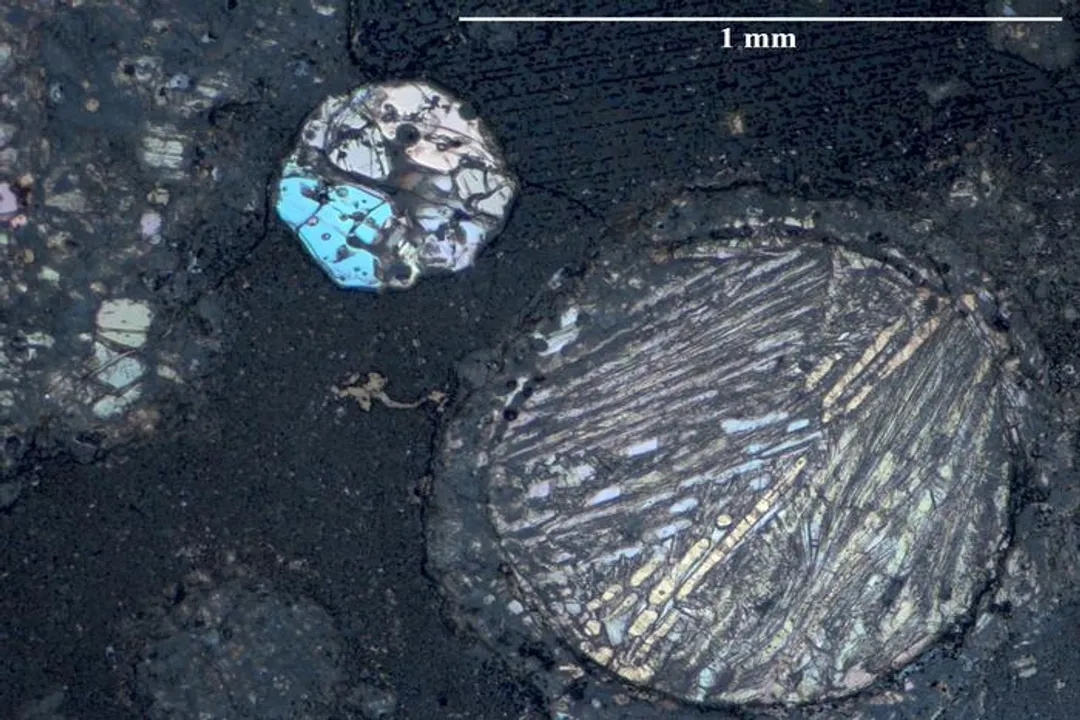
The technical hurdles for asteroid mining remain significant, but they are no longer viewed as impossible. The primary challenge is not finding the resources; the solar system is packed with asteroids containing water, nickel, iron, and precious metals. [3][8] The real obstacle is the logistics of reaching them, conducting work in a low-gravity environment, and returning materials to Earth or moving them to a location where they can be consumed.
Current robotic missions show that we can maneuver around asteroids with precision. The next logical step involves semi-autonomous drilling and processing systems that do not require human crews to remain on site for months or years. This is the difference between scientific sampling and industrial extraction. [4] We are entering an era where we must prove that machines can operate efficiently in the vacuum and radiation of deep space without constant intervention from mission control. [6]
# Resource Value
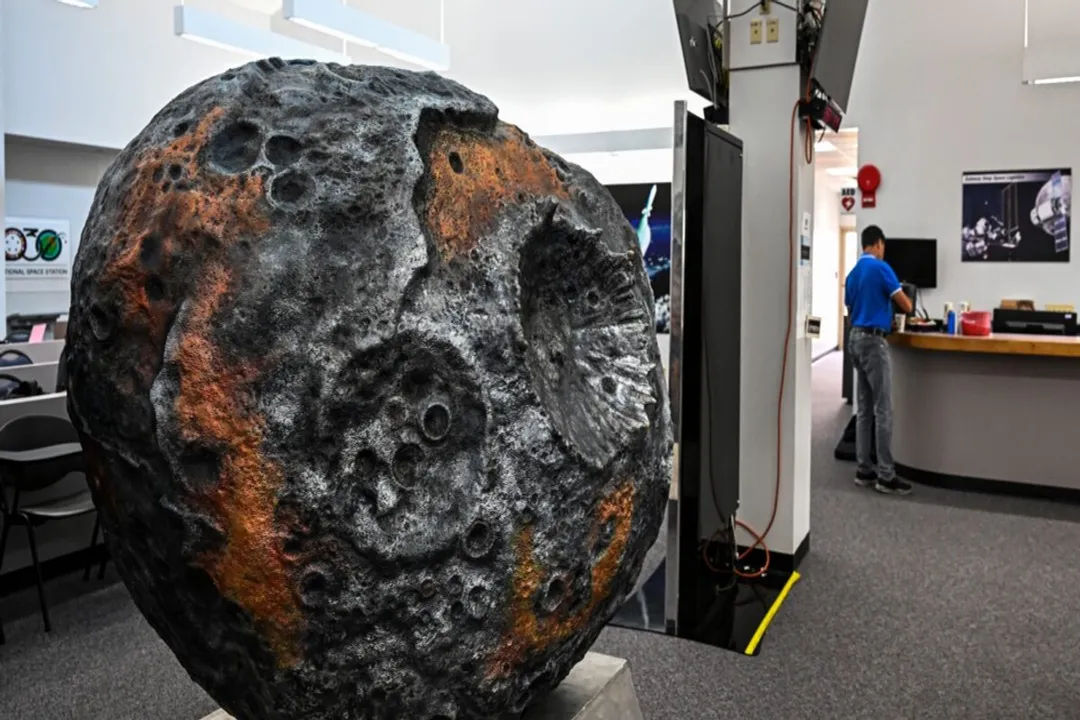
Why focus on asteroids when Earth still holds resources? The logic is two-fold. First, some asteroids are rich in materials that are rare on Earth, such as platinum-group metals. Second, and perhaps more importantly, is the potential for water. [8]
In space, water is more valuable than gold. It can be split into hydrogen and oxygen to create rocket propellant. Instead of hauling fuel from Earth—which is heavy and expensive—mining an asteroid for water allows spacecraft to refuel in orbit. [8] This turns asteroids into "gas stations" for deep space exploration. By creating a supply chain in orbit, we lower the cost of going further into the solar system. [10]
| Asteroid Type | Composition | Economic Value |
|---|---|---|
| C-type | Carbonaceous, high water content | High (for fuel) |
| S-type | Siliceous (stony), some metals | Medium (for construction) |
| M-type | Metallic (nickel, iron, cobalt) | Very High (for trade) |
# Economic Hurdles
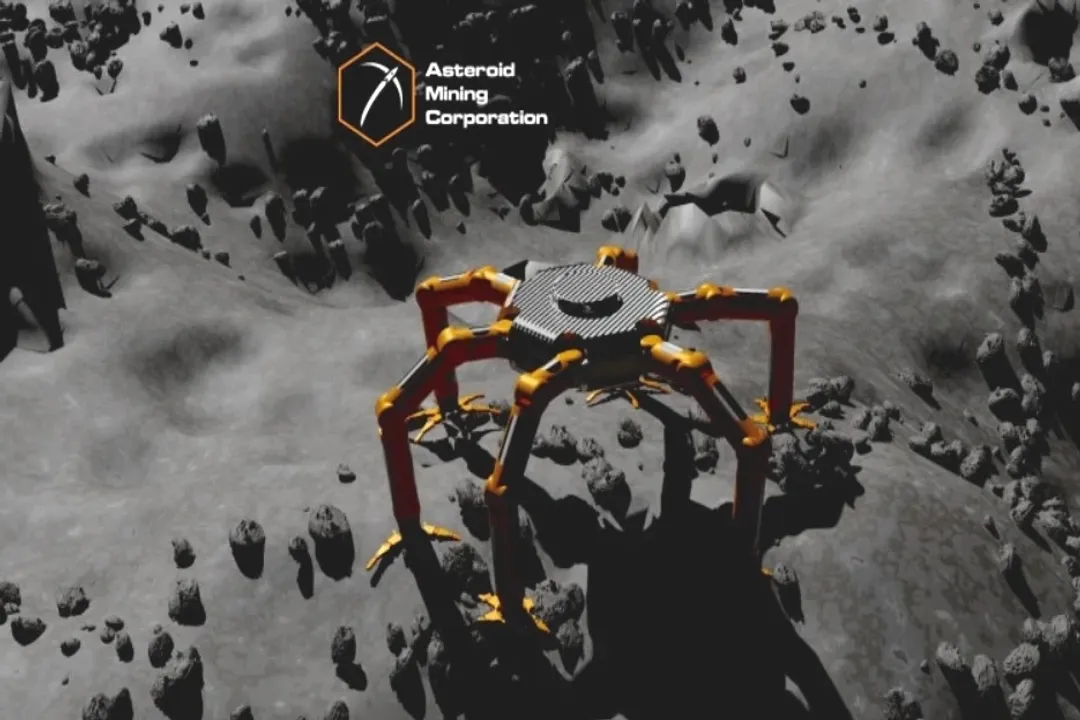
The debate over asteroid mining often centers on the cost. Currently, launching a kilogram of material into orbit is expensive. For asteroid mining to make financial sense, the value of the materials extracted must exceed the cost of the entire mission—the rocket, the automated drill, the refining process, and the transportation. [2][4]
If we look at a hypothetical scenario where a mission costs 1 million per kilogram just to break even, ignoring all other operational risks. Current market prices for platinum are far below this threshold. This suggests that the first wave of asteroid mining will likely focus on "in-space" utility—using materials in space rather than bringing them home—to avoid the massive cost of re-entry and terrestrial logistics. [2][8]
# Legal Framework
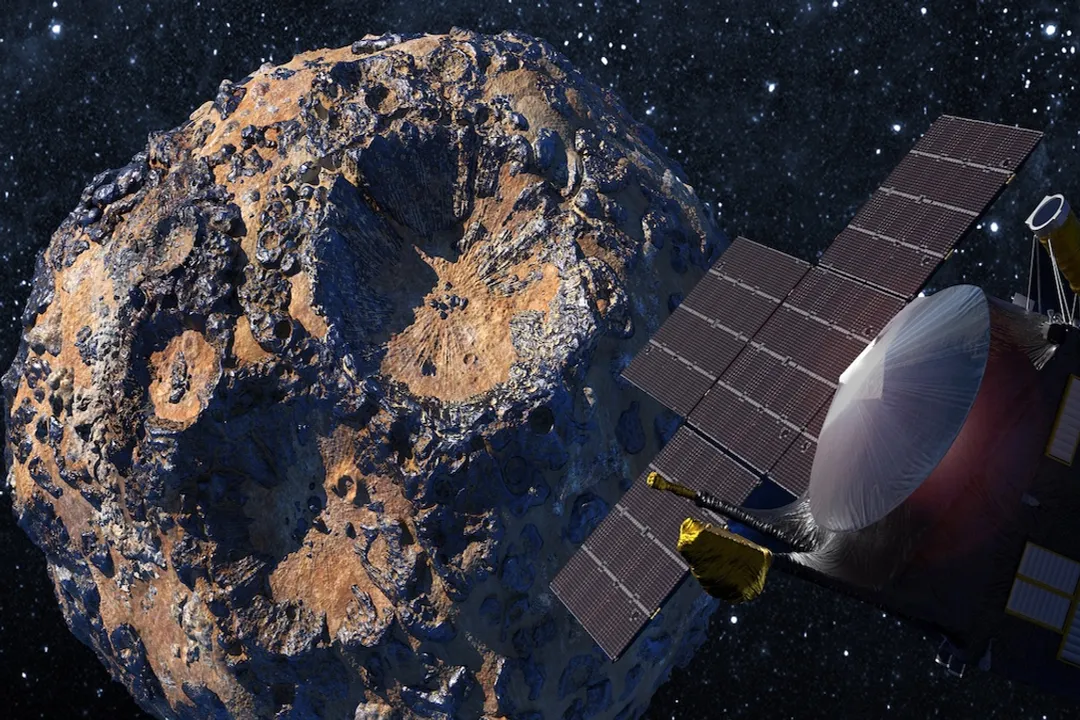
The rules governing space ownership are dictated by the 1967 Outer Space Treaty. A core principle of this agreement is that no nation can claim sovereignty over a celestial body. [3] This creates a gray area for private companies. Can a corporation mine a rock if no nation owns it?
Recent legislative changes, such as the 2015 US Commercial Space Launch Competitiveness Act, attempt to clarify this by asserting that while companies cannot own the asteroid itself, they can own the resources they extract from it. [3] This creates a pathway for investment, but international consensus is still evolving. As more countries and companies enter the sector, the pressure to update these international agreements will increase to prevent future territorial disputes. [7]
# Future Timeline
Most experts agree that large-scale commercial mining is not imminent. [9] We are looking at a progression of stages. First, we need more prospecting missions to identify the most accessible targets—those with the right orbits and compositions. Next, we need to test refining technologies on the Moon or in near-Earth orbit. [6]
Estimates for a functional mining operation vary widely. Some optimistic projections suggest pilot programs could emerge within the next 20 to 30 years, while full-scale, profitable operations might be a project for the latter half of this century. [9] The transition from a state-sponsored scientific mission to a private, profit-driven enterprise is the most critical threshold to cross.
# Strategic Outlook
The strategic importance of asteroid mining goes beyond profit. It involves national security and the future of industrialization. As terrestrial mining becomes more environmentally regulated and potentially more expensive due to resource scarcity, space-based alternatives start to look more attractive in the long run. [7]
One original analysis to consider is the "Infrastructure First" model. Most people focus on the rare metals. However, the first companies to succeed will likely be those that provide infrastructure—not the ones trying to strike it rich on gold. Companies that build the tankers to store water or the processing plants to refine ore will be the ones that hold the power. By viewing asteroids as industrial real estate rather than treasure chests, the timeline for feasibility shortens. If we stop trying to "bring it back to Earth" and start focusing on "building in space," the economics shift from impossible to practical.
The reality of asteroid mining is not about a sudden gold rush. It is a slow, steady progression of engineering milestones. We are building the tools now to create an infrastructure that will likely exist in the next 50 years. The question is no longer "is it possible," but rather "what is the most cost-effective way to get the hardware there?" [1][9]
#Videos
Asteroid Mining May Not Be Possible According to a New Study
Asteroid mining: Is space the new gold rush for resource exploitation?
Related Questions
#Citations
Are we on the verge of mining metals from the asteroids above Earth?
Is asteroid mining viable? : r/space - Reddit
Asteroid mining - Wikipedia
How Feasible Is Asteroid Mining? A New Study Investigates
Asteroid Mining May Not Be Possible According to a New Study
Asteroid Mining - MIT
A Sci-Fi Concept That Should Become Reality: Asteroid Mining Is ...
We may be about to see an asteroid-mining gold rush. But here's ...
How realistic is asteroid mining in the next 50 years, or is it still a Sci ...