Which institution collaborated with ISRO?

The Indian Space Research Organisation (ISRO) operates not in isolation but as the centerpiece of a vast, interconnected network spanning national academia, global space agencies, and the burgeoning private technology sector. Understanding which institutions collaborate with ISRO reveals the organization’s strategy for advancing its ambitious technological and exploratory goals, from foundational research to crewed missions. [3][2] These partnerships are essential for fostering innovation, sharing the financial and technical burden of mega-projects, and cultivating the next generation of space scientists and engineers within India.
# Academic Roots
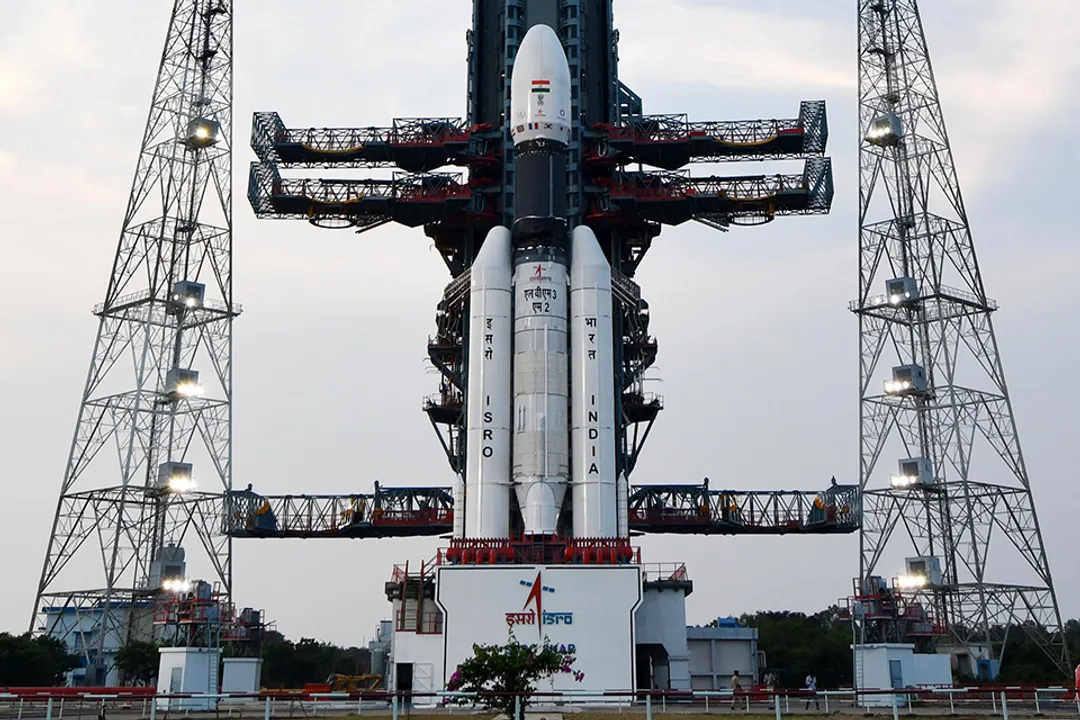
The relationship between ISRO and leading academic institutions forms the bedrock of its research and development efforts. These collaborations often focus on deep theoretical work, materials science, and the development of specialized technological components that feed into larger missions.
One notable institutional tie-up involves the Indian Institute of Technology Madras (IIT Madras). [7] This partnership led to the establishment of a dedicated research centre focused on the study of space technology. [7] Such centres are vital as they allow scientists to address highly specific, often long-term research challenges without interrupting the core, time-sensitive operational schedules of ISRO itself. [4] This model of delegating fundamental exploration to academic bodies has a long history, leveraging specialized expertise available across the country. [4]
Another significant collaboration exists with the Tata Institute of Fundamental Research (TIFR). Records show dedicated meetings aimed at strengthening the scientific groundwork between ISRO and TIFR. [5] While the specifics of every project might remain internal, the involvement of a premier fundamental research body like TIFR suggests cooperation in areas like advanced physics, detector technology, or complex data analysis crucial for deep-space observation or advanced satellite payloads. [5]
Beyond these headline names, the broader Indian university system is increasingly integrated into the space ecosystem. [8] This integration often involves projects funded by ISRO, allowing universities to acquire advanced research infrastructure and offering students exposure to real-world, mission-critical problems. [8] It signifies a shift where educational institutions are moving from being mere consumers of ISRO technology to active contributors to its development pipeline. [8]
# Global Linkages
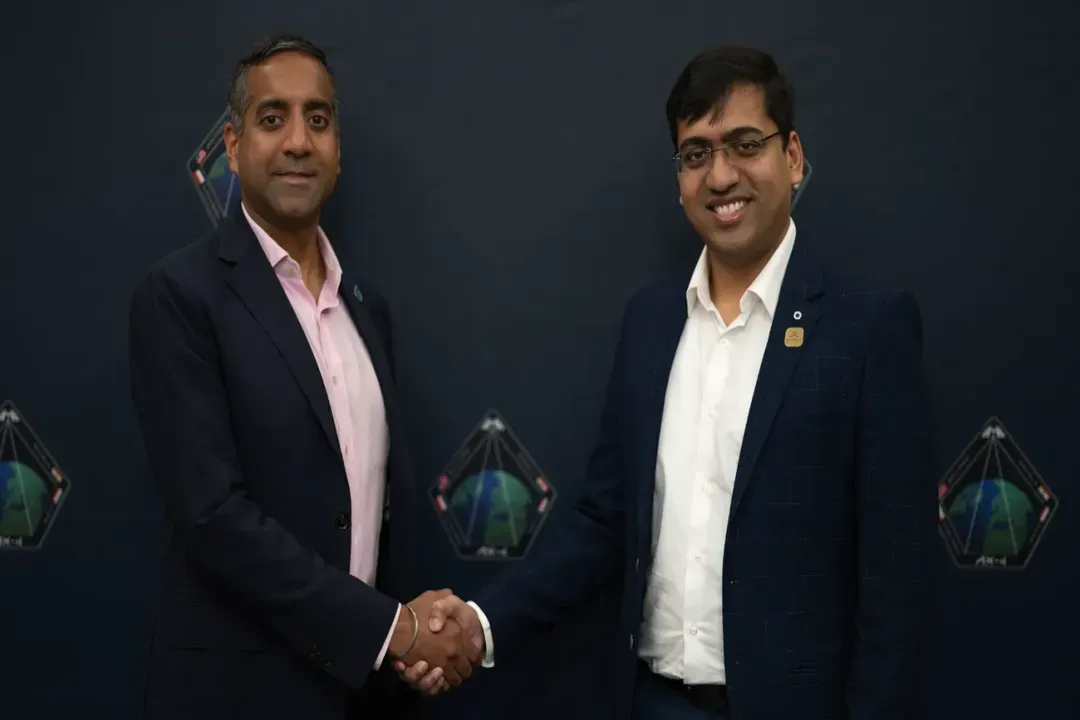
ISRO’s international cooperation is critical, especially for missions demanding technologies or infrastructure that are either extremely complex or require cross-border regulatory alignment. The list of international partners is extensive, covering various domains of space activity. [2]
A high-profile example of this international support centers on India’s ambitious human spaceflight program, Gaganyaan. [6] The European Space Agency (ESA) has committed to providing crucial support for these upcoming crewed missions. [6] This support often manifests in specific areas like astronaut training, mission safety protocols, or access to critical ground support infrastructure, demonstrating a mutual exchange of expertise necessary for high-stakes human space endeavors. [6] ESA’s involvement lends credibility and proven procedures to India’s burgeoning human spaceflight capacity. [6]
Generally, ISRO engages in international cooperation across several facets, including joint missions, technology exchange, and standardized operations, in line with broader global space diplomacy. [2] This global engagement is as much about capacity building as it is about shared scientific discovery. [2]

# Industry Engagement
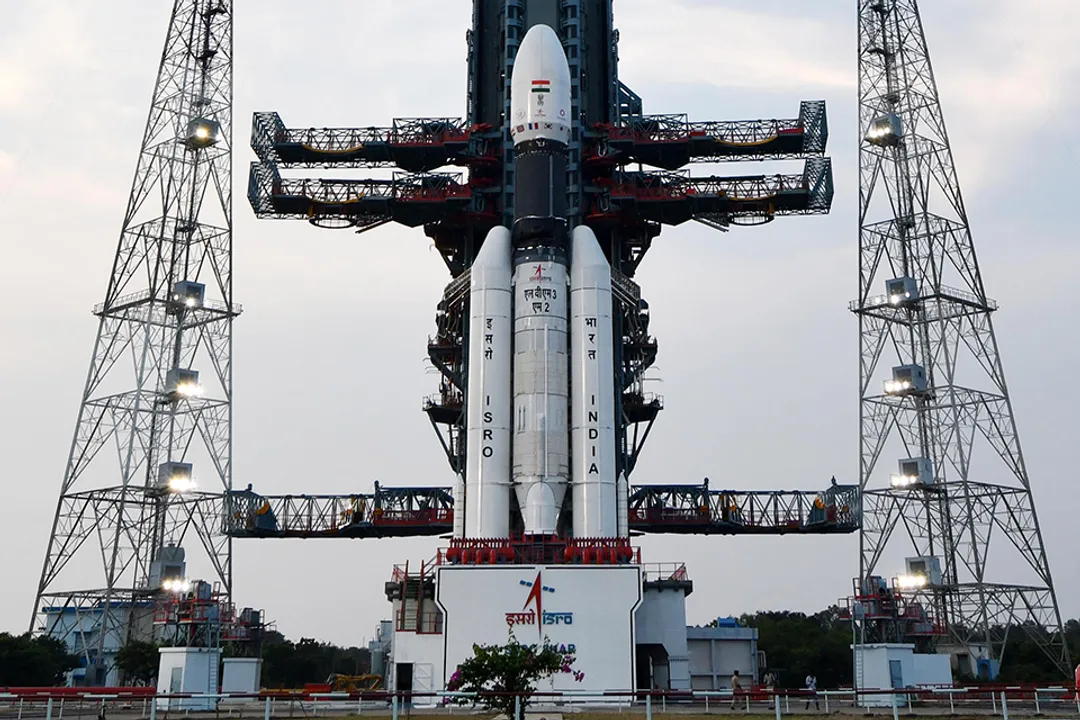
In recent years, the mandate to involve the private sector has become more explicit, signaling ISRO's transition towards becoming an enabler rather than the sole executor of space activities. This evolution spans from supporting nascent startups to engaging established technology giants for infrastructure support.
Microsoft, for instance, has entered into a partnership with ISRO specifically to bolster the local space technology startup community. [9] This collaboration is structured to support these emerging companies within India, likely by offering access to cloud computing resources, development tools, and perhaps even mentorship pathways guided by ISRO's operational experience. [9] This kind of corporate backing is invaluable for startups attempting to navigate the highly regulated and capital-intensive field of space technology. [9]
The engagement with the private sector is not limited to software or support; it increasingly involves the manufacturing and delivery of components, systems, and even entire satellites. [1] This trend reflects a national strategy to decentralize routine tasks and allow ISRO scientists to focus on cutting-edge research and deep-space exploration. [1] The private sector’s entry brings in business efficiencies and faster iteration cycles, characteristics often less prioritized in traditional government-led research organizations. [1]
# Partnership Modalities
The nature of collaboration varies significantly depending on the partner’s domain. A useful way to categorize these relationships is by their primary objective: foundational knowledge, operational support, or commercial acceleration.
| Partner Type | Primary Focus | Example Contribution Area | Citation Basis |
|---|---|---|---|
| Academic Institutes | Fundamental R&D, Specialized Science | Materials science, sensor design, theoretical modeling | [4][5][7] |
| International Agencies | High-Stakes Mission Enablement, Training | Astronaut training, safety checks, ground station access | [2][6] |
| Technology Corporations | Ecosystem Development, Infrastructure | Cloud services, startup incubation, scalable software tools | [9] |
| Private Sector Entities | Manufacturing, Service Delivery | Building subsystems, launch vehicle components, data processing | [1][3] |
One key insight arises when comparing the academic and industry partnerships. While academic ties, like that with IIT Madras, focus on creating new knowledge and proofs-of-concept, the industry engagement, such as with Microsoft, is centered on scaling that knowledge and making it accessible to a broader commercial base. [7][9] This dual approach suggests a mature organizational strategy: establish capability through research, then democratize application through industry facilitation.
# Ecosystem Enablers
The cumulative effect of these diverse collaborations changes how ISRO functions within the national scientific landscape. It transforms the organization from a monolithic government entity into a central enabler that seeds specialized capabilities across different sectors. For instance, instead of ISRO developing every piece of custom software in-house, it can now set the specifications and allow certified private firms or Microsoft-backed startups to compete on providing the solution, leading to potentially faster deployment and greater redundancy. [9][1]
Another significant implication of this broad partnership net is the standardization it enforces. When ISRO partners with a global entity like ESA for human spaceflight, or with a major international tech provider, it often means adopting globally recognized standards for documentation, safety, and interface control. This necessary adoption raises the quality baseline across the entire Indian space sector, including smaller domestic players who must interface with these standardized systems. [6]
Looking at the sheer volume of institutions involved—from premier engineering schools and fundamental research labs to multinational tech corporations—it becomes clear that ISRO's growth is inherently tied to its ability to manage complex stakeholder relationships. [2][3] A successful mission today relies as much on the contractual agreements and joint working groups as it does on the rocket science itself. This network resilience is a crucial, though often unstated, asset for the national space program. [3] For anyone looking to enter the Indian space sector, understanding the specific needs and working styles of the organizations mentioned—be it the rigorous academic environment of TIFR or the fast-paced development cycle supported by tech giants—is more important than ever. [5][9]
# Institutional Synergy
The collaboration model is a dynamic exchange. ISRO provides the missions, the unique domain expertise, and the access to the space environment. In return, partners inject specialized talent, capital, and novel perspectives. The focus on space tech startups, for example, is designed to rapidly prototype ideas that might take ISRO’s internal labs years to mature through standard bureaucratic channels. [9][1]
This extensive web ensures that India’s space objectives are not solely reliant on governmental budgetary cycles. By bringing in private investment and academic grants, the overall pace of progress becomes somewhat insulated from national fiscal fluctuations. [8] The establishment of joint research centers, such as the one with IIT Madras, locks in long-term commitments that transcend individual government tenures. [7]
In summary, the institutions collaborating with ISRO are deliberately diverse, segmented across pure research, international diplomacy, and commercial innovation. From the deep theoretical physics at TIFR [5] to the human factors engineering supported by ESA, [6] and the startup ecosystem nurtured by Microsoft, [9] ISRO builds its strength not just from its rockets, but from the breadth and depth of its institutional allies. [2][3]
Related Questions
#Citations
Which company collaborated with ISRO? - spaceanswers.net
International Cooperation - ISRO
50 ISRO Partners Involved in its Complete Success
ISRO - Wikipedia
ESA to support Indian human spaceflight missions
IIT Madras partners with ISRO to establish Research Centre to study ...
HE institutions play key role in national lunar ambitions
ISRO and Microsoft collaborate to support space-tech startups in India