Where are the auroras located?
The shimmering curtains of light that dance across the night sky are not random celestial occurrences. These displays, known as auroras, are rooted in specific physical locations dictated by the interaction between the solar wind and Earth’s magnetosphere. [2][5] Because these lights track the Earth’s magnetic field lines, they are primarily confined to two distinct rings centered around the magnetic poles, known as the auroral ovals. [6] Understanding where these ovals appear is the first step for anyone looking to witness the phenomenon, as they rarely stray from these high-latitude regions except during periods of intense geomagnetic activity. [3][7]
# Auroral Ovals
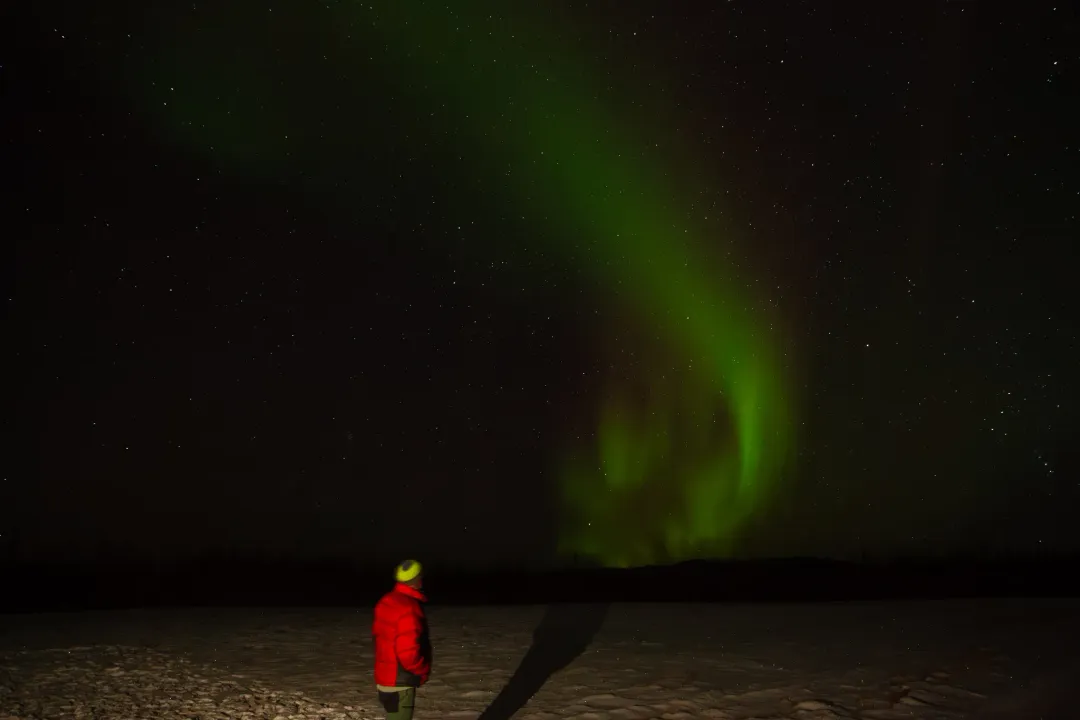
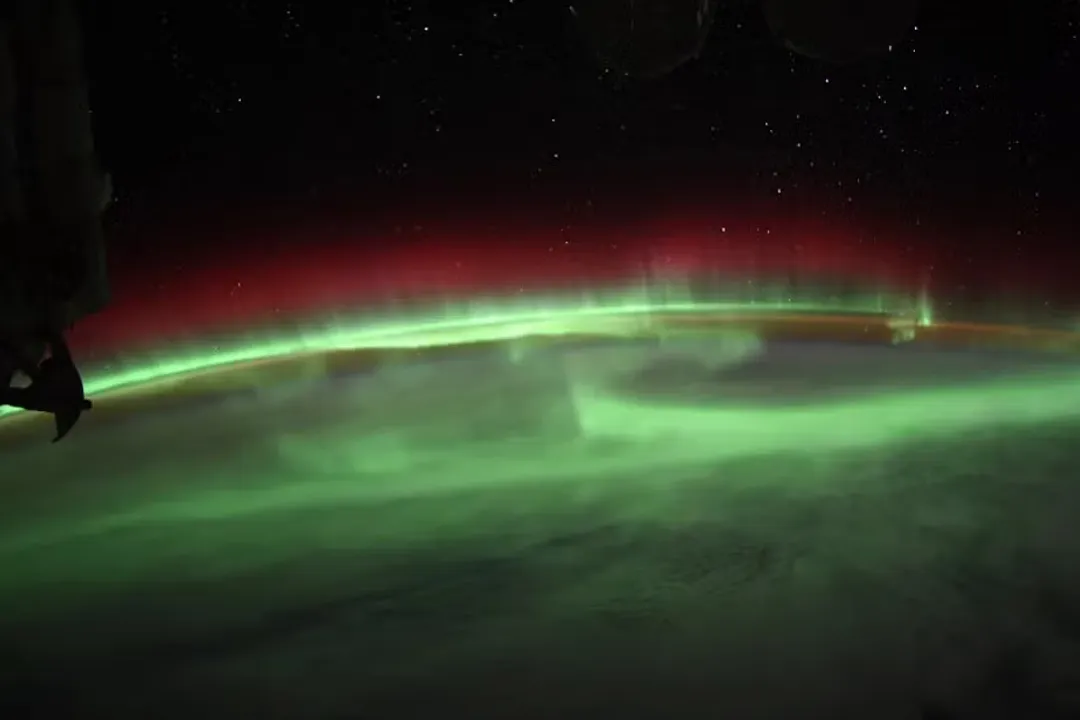
The fundamental location for any aurora is the auroral oval, a dynamic region that shifts position based on the strength of the solar wind. [6] Think of these ovals as permanent, invisible halos hovering high above the Earth’s atmosphere, specifically within the thermosphere and ionosphere. [2][6] One oval circles the North Pole, creating the Aurora Borealis, while a corresponding oval circles the South Pole, resulting in the Aurora Australis. [5]
While the Earth’s geographic poles remain fixed, the magnetic poles—and consequently the auroral ovals—are subject to slight drift. [5] The auroras typically occur in a band between 60 and 75 degrees latitude, often referred to as the auroral zone. [4] If you are looking for the lights, being positioned under this oval is essential. When solar activity is low, this band is relatively narrow and tightly focused on the polar regions. [3] However, when the sun is particularly active, these ovals expand, pushing the viewing boundaries toward the equator. [2][7]
# Northern Hemisphere
In the northern hemisphere, the aurora borealis is most frequently observed in regions that sit directly beneath the auroral oval. This includes areas such as northern Scandinavia, Iceland, parts of northern Canada, and interior Alaska. [1][4][10] These locations offer the highest probability of sightings because they remain within the oval even during quiet solar periods. [4]
Northern Norway, specifically the Tromsø region, is widely regarded as one of the most accessible and reliable spots. [1] Similarly, places like Abisko in Sweden and various locations in Iceland provide significant infrastructure for travelers, making it easier to manage the cold and darkness required for viewing. [4] In North America, Fairbanks, Alaska, and the Yukon territory in Canada are famous for their high frequency of sightings due to their inland, sub-arctic climate, which often provides the clear skies necessary to see the activity. [4][10]
It is important to differentiate between simply being in the north and being in the right kind of north. Coastal areas can sometimes suffer from higher cloud cover, while inland regions at similar latitudes often have more stable, clearer weather patterns. [1][4] This is why interior locations are often preferred by aurora hunters over coastal ones, despite both sitting within the auroral zone.
# Southern Hemisphere
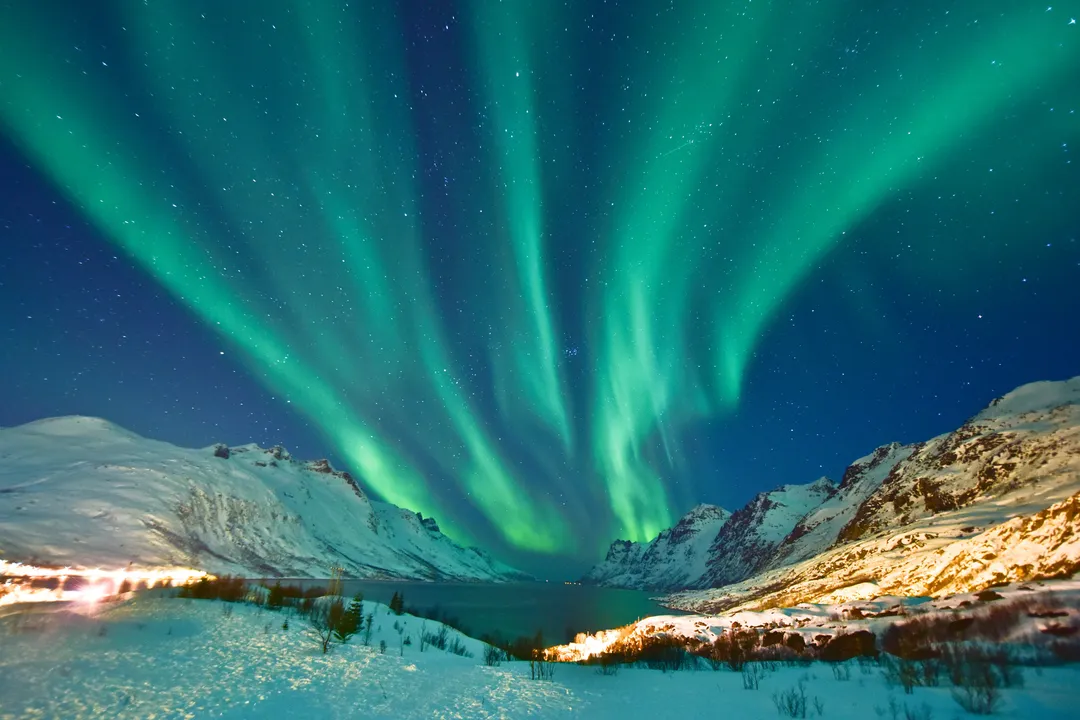
The aurora australis is just as spectacular as its northern counterpart but presents a much greater challenge for human observers. The primary reason for this is geography: the southern auroral oval is centered largely over the Antarctic continent. [5] Consequently, the vast majority of the southern light displays occur over uninhabited ice, making them inaccessible to most people. [5]
There are exceptions, however. When the auroral oval expands during significant geomagnetic storms, the southern lights can reach visible latitudes in Tasmania, the southern tip of New Zealand, and the southernmost points of South America. [5] Unlike the northern hemisphere, where infrastructure to support tourism is well-established near the auroral zone, viewing the southern lights usually requires traveling to remote, rugged environments. [10]
# Expanding Boundaries
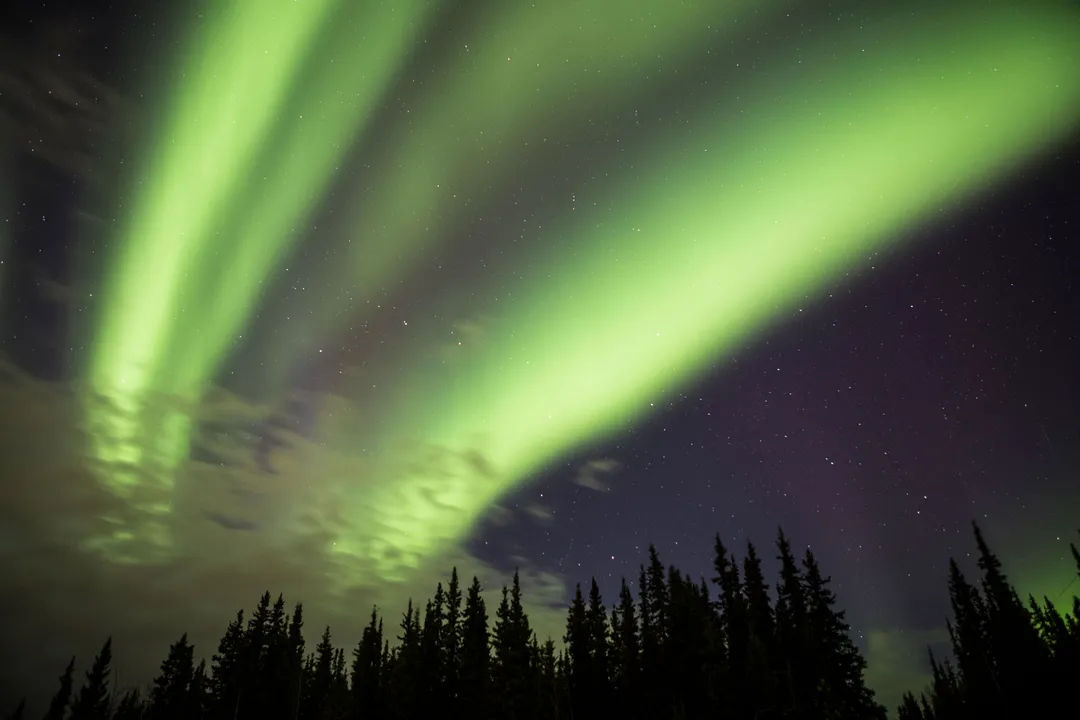
A common misconception is that auroras only exist in the Arctic or Antarctic circles. While the persistent auroras are anchored to those high-latitude zones, the boundaries are not fixed. [7] The intensity of the geomagnetic field can fluctuate, sometimes dramatically. Scientists measure this activity using the Kp-index, a scale that tracks the level of geomagnetic disturbance. [3][7]
When the Kp-index is high, the auroral ovals expand. [7] During extreme solar storms, the lights can be visible much further from the poles than usual. For instance, strong events have been known to push the aurora as far south as the northern United States, Scotland, and parts of central Europe. [3][5] These events are essentially "overflow" from the expanded oval, temporarily bringing the phenomenon to lower latitudes that do not typically experience them.

# Viewing Reality
Finding the aurora requires more than just traveling to the right latitude; it requires accounting for three distinct variables: magnetic activity, light pollution, and weather. Even if you are standing in the middle of the auroral zone in Alaska or Norway, you will not see anything if the sky is overcast or if there is heavy light pollution from nearby cities. [1][4]
| Factor | Impact on Viewing | Strategy |
|---|---|---|
| Latitude | High (Primary requirement) | Stay within 65-72° N/S for best odds. |
| Solar Activity | Moderate (Variable) | Check Kp-index forecasts. |
| Weather | High (Critical) | Choose inland areas with less cloud cover. |
| Light Pollution | Moderate (Controllable) | Drive away from urban centers. |
One overlooked aspect of "location" is elevation and orientation. While being in the auroral zone is the most important factor, having a clear view of the northern horizon (in the north) or southern horizon (in the south) is crucial. [4] Many aurora hunters prefer locations where the terrain is relatively flat or where they can easily access higher vantage points, allowing them to see the activity even if it is concentrated lower in the sky. [4]
# Planning Tips
If you are planning a trip to witness these lights, the most reliable strategy involves maximizing your time in the target zone. The aurora is a natural, unpredictable phenomenon; staying for only one or two nights drastically reduces your chances of success. [1] Most experienced trackers recommend a stay of at least four to five nights to account for cloudy weather or periods of low solar activity. [4]
Furthermore, prioritize locations that offer specific aurora-viewing support. This might mean hotels that provide "aurora wake-up" calls, guided tours that know how to track clearing skies, or rentals that allow you to drive away from city lights. [1][10] Relying on technology is also beneficial; using real-time solar wind monitoring tools provided by agencies like NOAA can help you decide when it is worth heading outside on a given night. [3]
Be mindful of the time of year. While the lights are active year-round, they are only visible when it is dark. [2][5] In the extreme high latitudes where the best viewing occurs, the summer months bring the "midnight sun," meaning it never gets dark enough to see the auroras. Planning your visit for the darker months—typically from late autumn to early spring—is essential, regardless of how far north you travel. [1][4]
Finally, do not get discouraged by a low forecast. Predictions are just that—predictions. The auroral oval is dynamic, and sometimes localized magnetic activity can produce visible displays even when the overall global Kp-index seems modest. [3] Viewing the auroras is as much about patience and preparation as it is about being in the right geographical coordinates. By positioning yourself near the auroral oval during the dark, clear months and allowing enough time for the weather to cooperate, you place yourself in the best possible position to experience the lights.
#Videos
How Can I See the Northern Lights? We Asked a NASA Expert
Related Questions
#Citations
Northern Lights | When and where to see the Aurora Borealis
Auroras - NASA Science
Aurora Viewline for Tonight and Tomorrow Night (Experimental)
The best place to see the Northern Lights | The Aurora Zone
Aurora - Wikipedia
Auroras: The Northern and Southern Lights
Aurora Forecast | Geophysical Institute
Where to see the auroras - Apple Maps
How Can I See the Northern Lights? We Asked a NASA Expert
7 magical places to view auroras - National Geographic