What is Elon Musk trying to do in space?
The core ambition driving Elon Musk’s involvement in space exploration is arguably the most audacious goal in modern engineering: making humanity a multiplanetary species by establishing a self-sufficient city on Mars. This is not a passive aspiration but the stated founding purpose of SpaceX, established in 2002 with the explicit vision of drastically cutting the cost of access to space to pave the way for permanent off-world settlement.
The path to achieving this involves two major, intertwined technological thrusts: the development of fully reusable launch systems and the creation of a massive commercial infrastructure to fund the effort and provide the necessary transport capacity.
# Cost Reduction
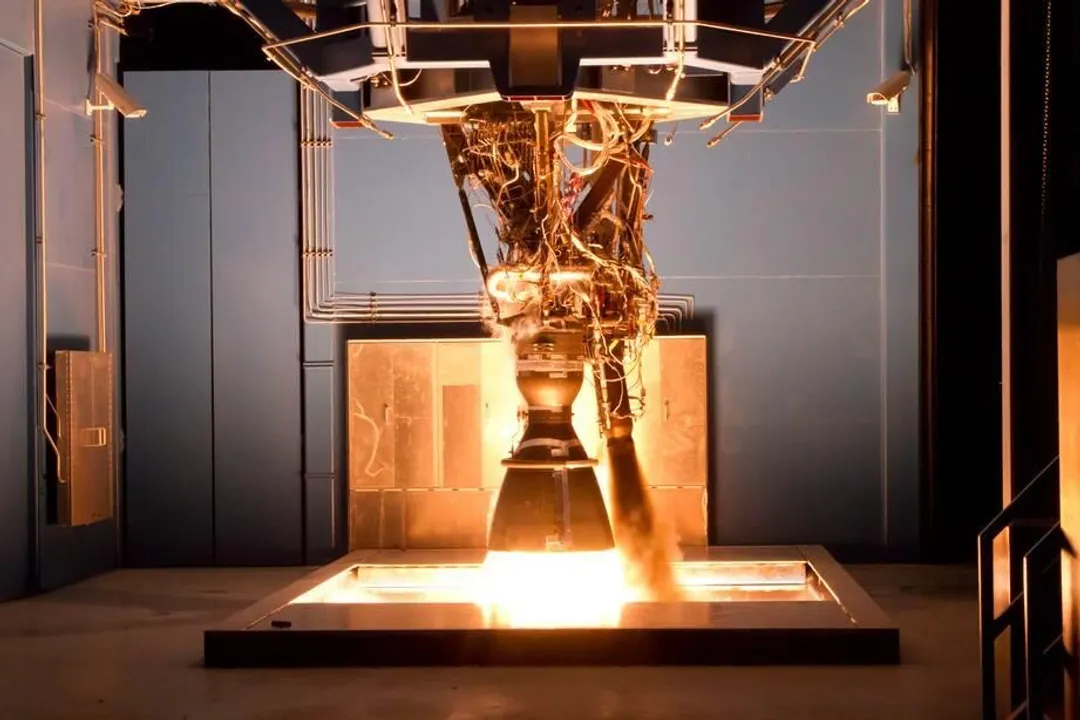
Musk’s initial hypothesis, which proved foundational to SpaceX’s survival and success, centered on vertical integration and the aggressive use of commercial, off-the-shelf components to slash launch expenses. This approach stood in stark contrast to traditional aerospace development methods, which often resulted in significantly higher costs when undertaken solely by government agencies.
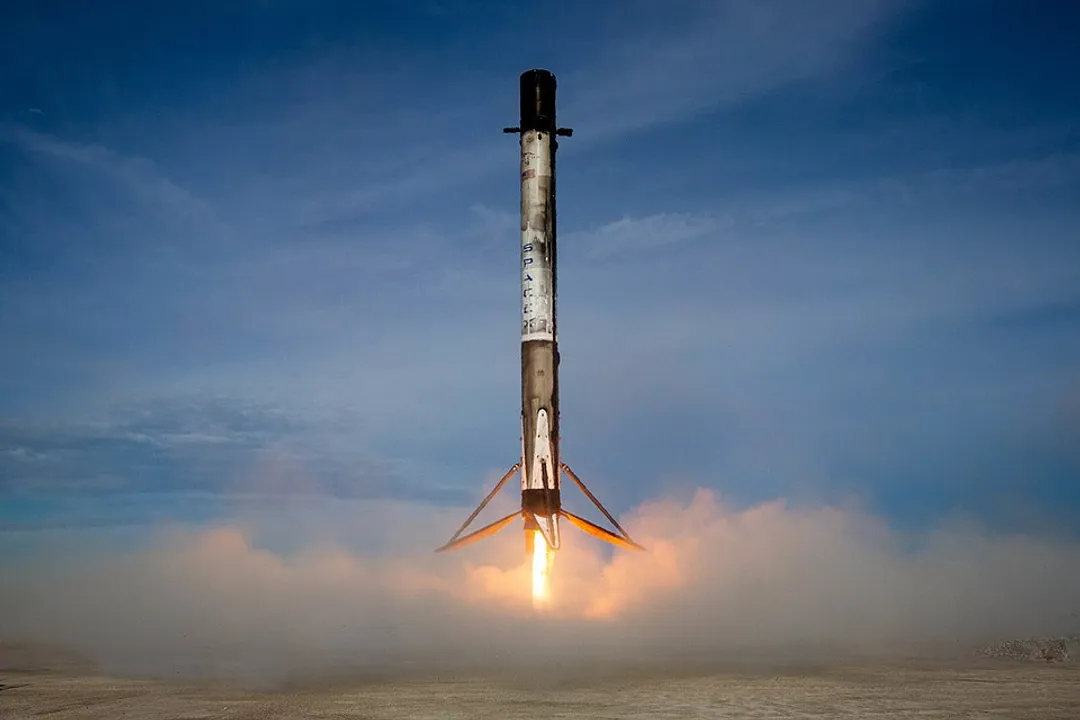
For instance, when NASA estimated it might cost them around 390 million across the Falcon 1 and Falcon 9 programs. This massive cost differential—a factor of more than ten—is the economic underpinning of the entire Martian vision. Without this dramatic reduction in price per kilogram to orbit, the sheer volume of material needed for a Martian outpost would be logistically and financially impossible. The reusability pioneered with the Falcon 9 first stage—landing boosters on land or on the Autonomous Spaceport Drone Ships (ASDS) after orbital missions—was the critical step that proved this cost-reduction model worked, leading to a 10% price discount offered to customers flying on reused hardware by 2016.
# Financial Engine
While the Mars colony is the destination, a sustainable endeavor requires a robust, cash-generating business closer to home. This is where the Starlink subsidiary fits into Musk’s overarching strategy. Starlink is not merely a side project; it is the contemporary financial engine explicitly designed to fuel the capital-intensive development of Starship and the subsequent settlement plans.
Starlink functions by deploying a vast constellation of thousands of cross-linked communications satellites into low Earth orbit (LEO) to provide low-cost, global broadband internet service. By 2021, the capital raised through Starlink’s operational fielding had become a primary use for SpaceX’s equity financing rounds, which saw the company’s valuation skyrocket to over $100 billion by late 2021. This commercial success contrasts sharply with the early days when the company nearly collapsed after three failed Falcon 1 launches, only to be saved by a fourth success and a critical Commercial Resupply Services (CRS) contract from NASA. The current model dictates that revenue streams generated from high-cadence Falcon 9/Heavy launches, human transport for NASA and private clients, and, most significantly, Starlink, will directly finance the construction and deployment of the colossal Starship system required for Mars. This reliance on high-volume commercial activity to underwrite interplanetary ambition is a defining characteristic of SpaceX’s operational philosophy.

# Starship Architecture
The vehicle explicitly tasked with realizing the Mars objective is Starship, a fully reusable transportation system composed of the Super Heavy booster and the Starship upper stage spacecraft. This system represents the culmination of the cost-reduction efforts, intended to succeed all previous hardware by the early 2020s. It is currently the most powerful launch vehicle ever developed.
Starship is designed to carry a payload capacity of over 100 metric tonnes (or 150 tonnes fully reusable) to LEO. To establish a city on Mars—requiring millions of tonnes of cargo and upwards of a million people—thousands of these Starships would eventually need to fly repeatedly, maximizing transfer windows that open every 26 months.
The engineering choices for Starship are deeply tied to the Martian destination. Unlike the kerosene-based Falcon family, Starship is designed from the outset to use liquid methane and oxygen as propellants. This choice is strategic, as these resources, or the precursors to them, can be mined and refined on Mars itself, enabling crucial in-situ resource utilization (ISRU) and allowing the vehicle to be refueled for the return trip to Earth.
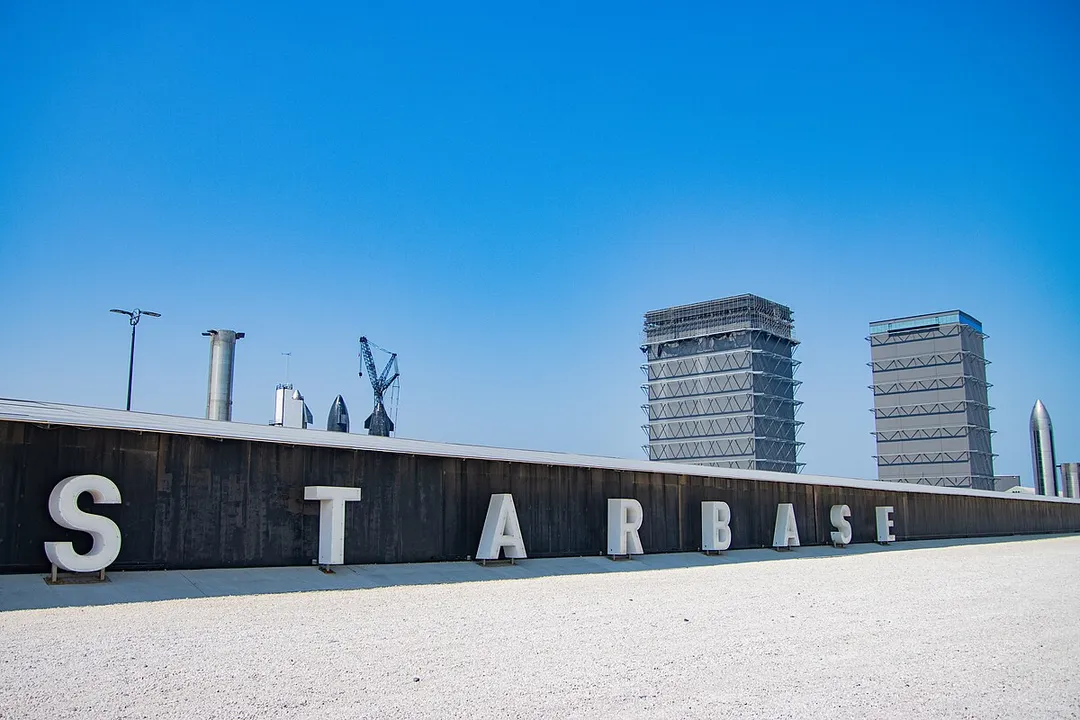
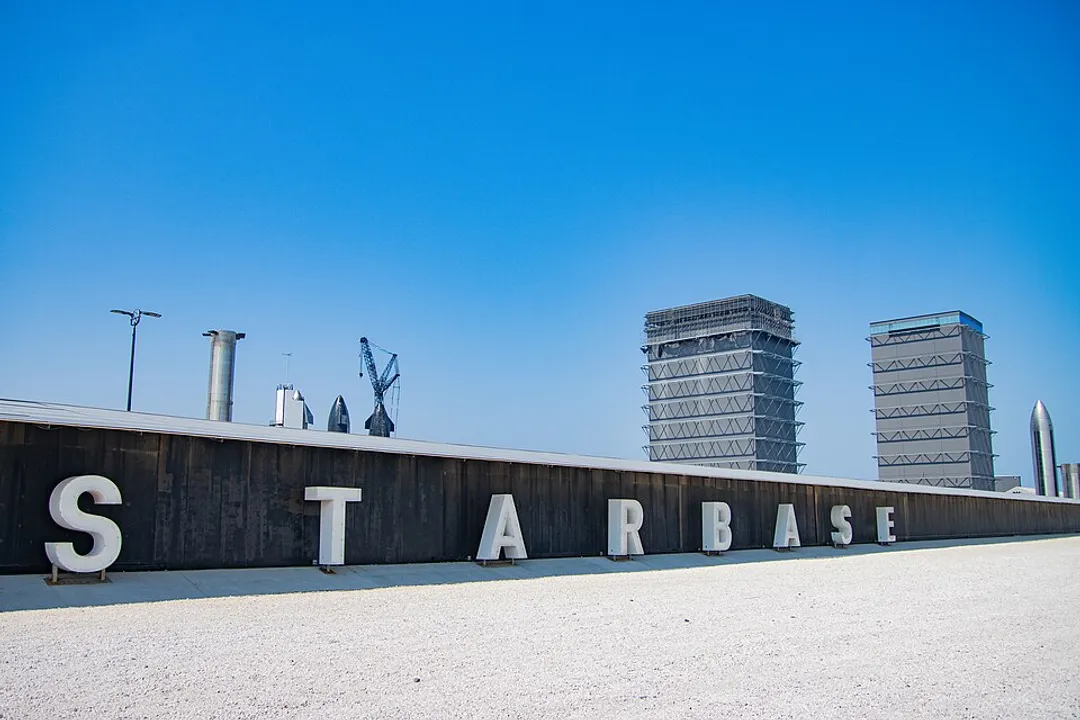
The development process has been characterized by rapid, iterative testing at the Starbase facility in Texas, including numerous integrated flight tests involving the Super Heavy booster and the upper stage ship. These tests, while resulting in several in-flight vehicle losses and booster anomalies, are viewed by Musk and the company as necessary steps toward proving the architecture, with even mid-air explosions sometimes being framed as successes for gathering critical data on vehicle performance. The long-term goal for this vehicle is not just an orbital hop or even a trip to the Moon, but achieving the velocity and reusability necessary for routine, cost-effective transit to the Red Planet.
# Opening the Solar System
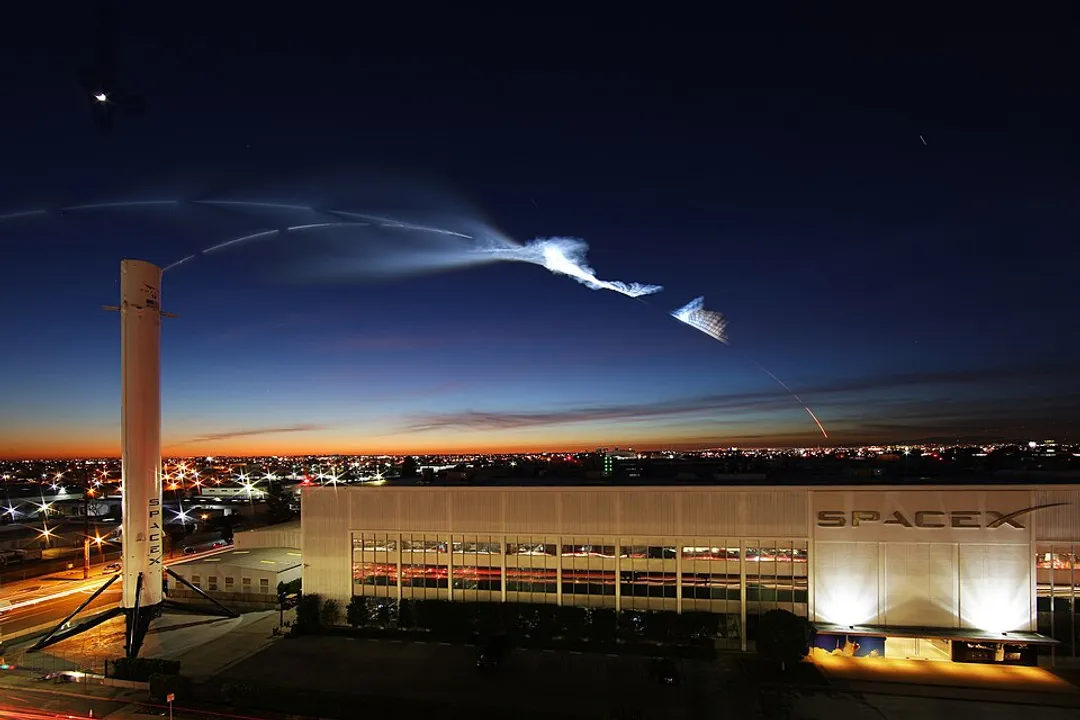
While Mars is the long-term focus, Musk's immediate goals involve democratizing access to space through operational hardware and expanding commercial services across multiple domains.
# Human Transport
SpaceX achieved a historic milestone in 2020 by becoming the first private company to send NASA astronauts to the International Space Station (ISS) aboard the Crew Dragon spacecraft. This marked the resumption of crewed orbital launch capability from American soil after a nine-year hiatus. The development of this human-rated vehicle was heavily supported by NASA contracts under the Commercial Crew Program. Beyond government contracts, SpaceX has supported all-private missions, such as Inspiration4, where a fully private crew received commercial astronaut training from SpaceX personnel covering topics like orbital mechanics and emergency preparedness. More recently, private spacewalks have been facilitated through missions like Polaris Dawn.
# Terrestrial Connectivity
The Starlink constellation itself, even before fully funding Starship, is a goal unto itself: addressing significant global unmet demand for low-cost broadband internet. With thousands of satellites in orbit, SpaceX has become the dominant operator of a commercial satellite constellation. This growth has involved substantial operational milestones, like launching an unprecedented number of satellites on a single mission, and strategic business moves, such as acquiring companies like Swarm Technologies and securing major spectrum rights for direct-to-cell communication capabilities. Furthermore, a military counterpart, Starshield, has been developed to host government payloads, such as for a space-based missile defense system.
The operational rhythm established by the Falcon 9, which, as of 2022, set a world record for launches by a single vehicle type in a year, keeps the entire enterprise moving forward. The company's high launch cadence—often exceeding one launch every six days in 2022—and its ability to maintain high reliability, particularly with the reusable Block 5 variant, ensure a continuous flow of income necessary to bridge the gap between current operations and the massive capital requirements of Starship development.
In essence, what Elon Musk is trying to do in space is build a two-tiered system: a reliable, cost-effective orbital transport workhorse (Falcon 9/Heavy) and a crew/cargo vehicle capable of building a second home for humanity (Starship), all funded by a world-spanning commercial communication network (Starlink). The ultimate metric for success, in his view, is not just the number of successful launches, but the establishment of a future where humanity is not confined to a single planet, a vision he finds immensely exciting. This dual focus on immediate commercial viability and existential, long-term expansion defines the entirety of SpaceX’s mission profile.
Related Questions
#Citations
SpaceX - Wikipedia
Mission: Mars - SpaceX