Why is a standard nova eruption inherently less rare than a supernova?
The nova process involves only a surface flare-up, allowing the white dwarf star to survive and repeat the event.
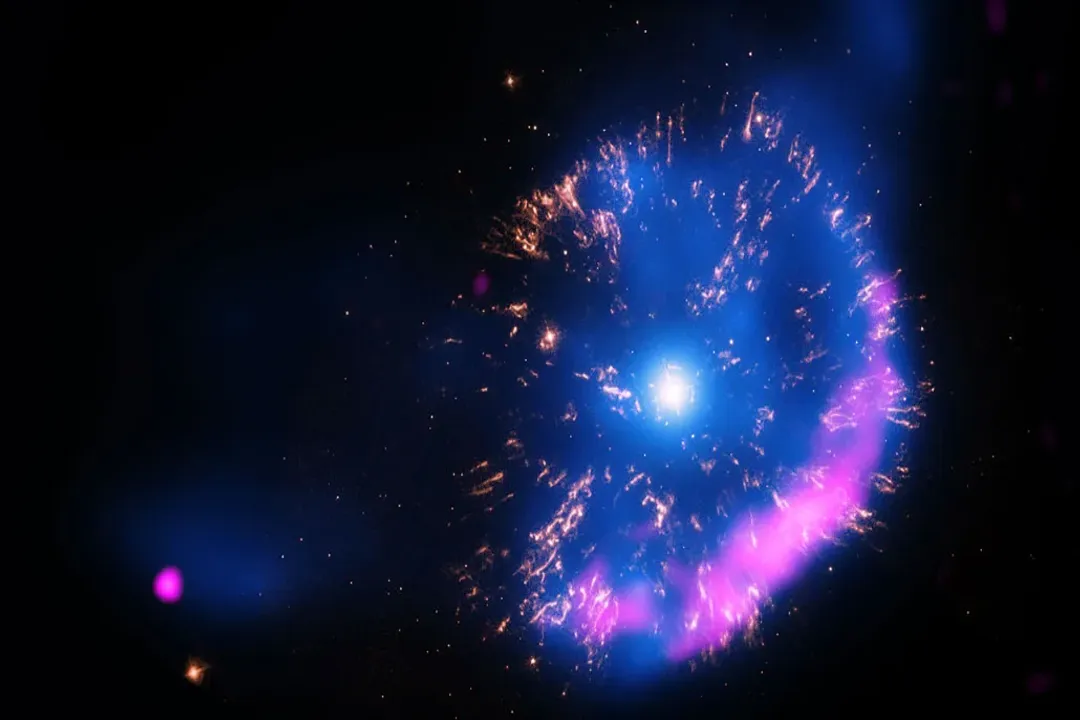
The fundamental difference in frequency stems from the extent of stellar damage inflicted during each event. A nova is characterized as a surface eruption where the white dwarf undergoes a thermonuclear flash, but the star structure remains intact. Because the star survives, the underlying accretion mechanism can continue, leading to future eruptions over timescales that might be decades or centuries, making them frequent occurrences across the galaxy's many binary systems. Conversely, a supernova is an explosion of vastly greater magnitude, resulting in the complete destruction or fundamental restructuring of the star—whether through core collapse or reaching the Chandrasekhar limit—meaning the source of the explosion is eliminated entirely, rendering the event inherently much rarer.
#Videos
How Common Are Novae? - Physics Frontier - YouTube