Are there any meteorites from Mercury?
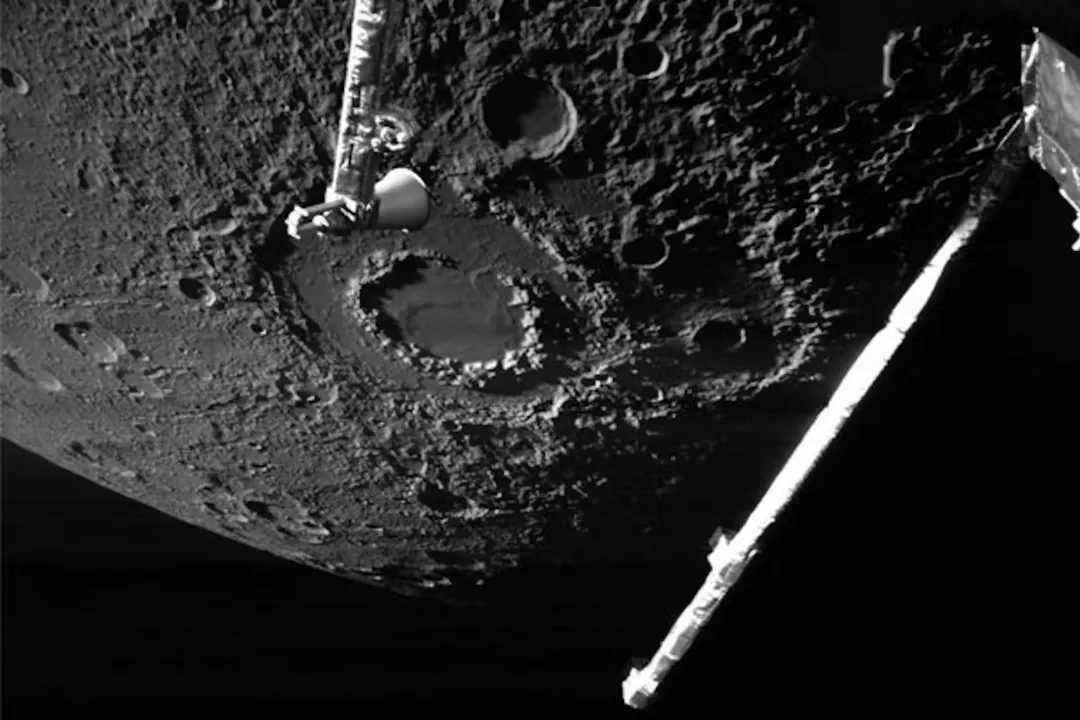
Pieces of the solar system rain down on Earth constantly, but most fragments that survive the fiery descent and land in a collector's hands originate from the asteroid belt between Mars and Jupiter. [9] We are accustomed to terrestrial finds, but occasionally, the cosmic delivery service brings something truly exotic: a fragment of another world. While meteorites from the Moon and even Mars are known, those originating from Mercury, the closest planet to the Sun, remained elusive for decades, presenting one of the most significant mysteries in planetary science. [8] That long-standing puzzle may finally be nearing a resolution following tantalizing reports of Mercury meteorites discovered on Earth. [1]
# Cosmic Rarity
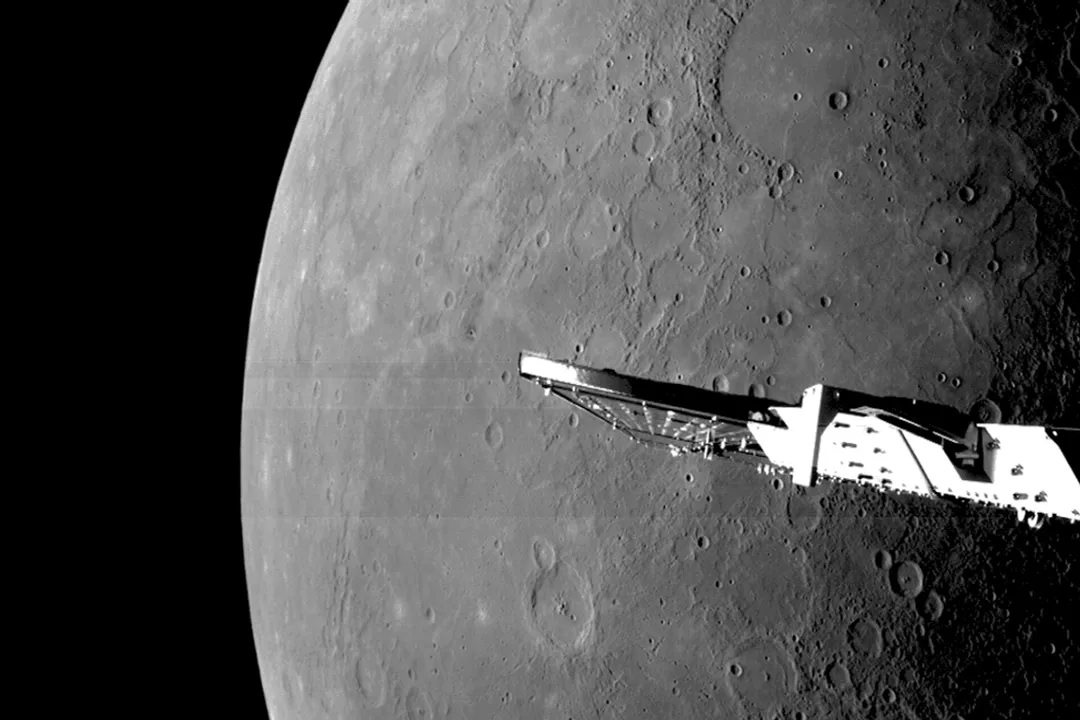
The scarcity of Mercury meteorites is not due to a lack of impacts on the planet; rather, it is a consequence of its position and environment. For a piece of Mercury to become a meteorite on Earth, it must first be ejected from the planet's surface by an extremely powerful impact event. [1] After being launched into space, this ejected material must then endure a chaotic orbital path, avoiding being destroyed by the Sun's intense gravity or being obliterated by subsequent impacts, before finally crossing Earth's orbit and landing safely. [1]
When planetary scientists calculate the expected flux of ejecta—the material thrown off by impacts—Mercury sends far less material into viable Earth-crossing trajectories than Mars or the Moon. [3] This difference stems from Mercury's close proximity to the Sun. The gravitational influence of the Sun makes it incredibly difficult for debris from Mercury to achieve the necessary stable orbit that would allow it to eventually reach Earth. [1] Given these factors, the few meteorites that have been found and attributed to Mercury are considered among the rarest objects available for study, representing a precious physical link to the solar system's innermost world. [7]
# Desert Collection
The breakthrough, if confirmed, hinges on finds made in one of the planet's most inhospitable yet rewarding environments for meteoritics: the Sahara Desert. [2] These samples are believed to have fallen recently enough that terrestrial weathering had not completely obliterated their unique chemical and structural fingerprints. [1] The process of natural selection in meteoritics often favors finds in areas where the background rock is sparse, making deserts like the Sahara, and regions in Antarctica, prime hunting grounds for terrestrial scientists. [9]
Reports highlight that what might be the first confirmed pieces of Mercury have been recovered after this long period of mystery. [8] These potential Mercurian fragments were discovered in the vast expanse of the Sahara Desert. [2][4] The finding represents a monumental step, offering scientists a chance to physically hold and analyze rock that originated from a world they can otherwise only observe remotely. [1] It is an exciting time for researchers who have long searched for this specific class of extraterrestrial material. [7]
# Identifying Origin
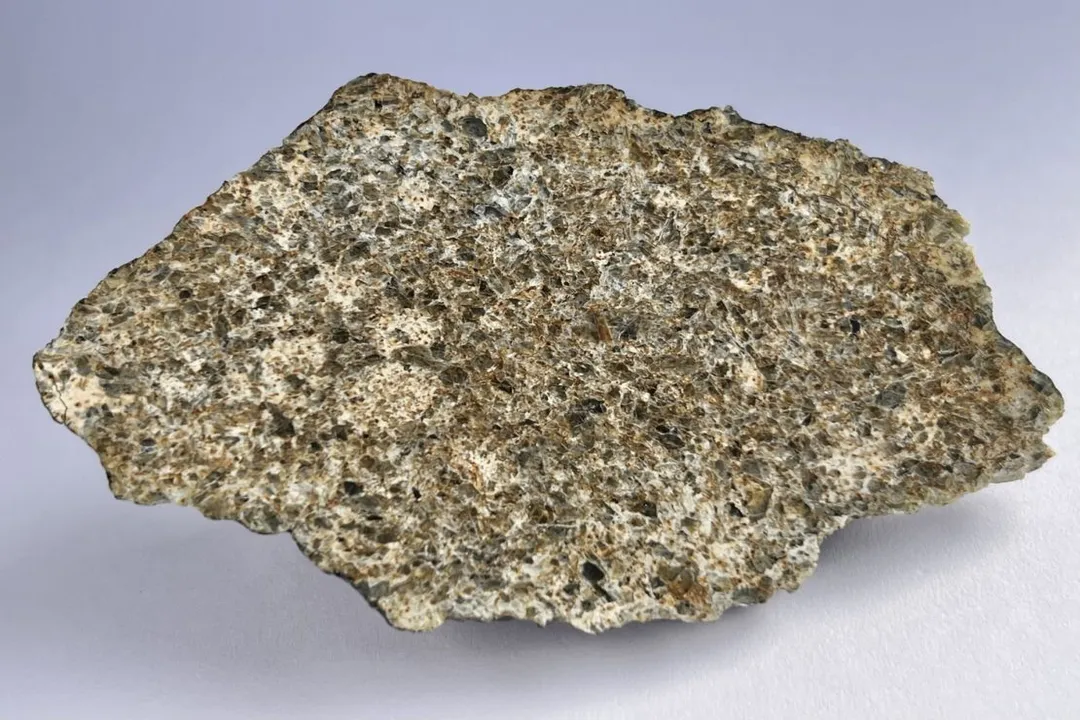
Proving a meteorite is from Mercury requires more than just finding a dark rock in the sand; it demands rigorous analysis of its chemical composition and mineralogy. [3] To distinguish a Mercury rock from a fragment of an asteroid or Mars, scientists look for specific chemical signatures that reflect the planet's unique formation and evolutionary history. [1]
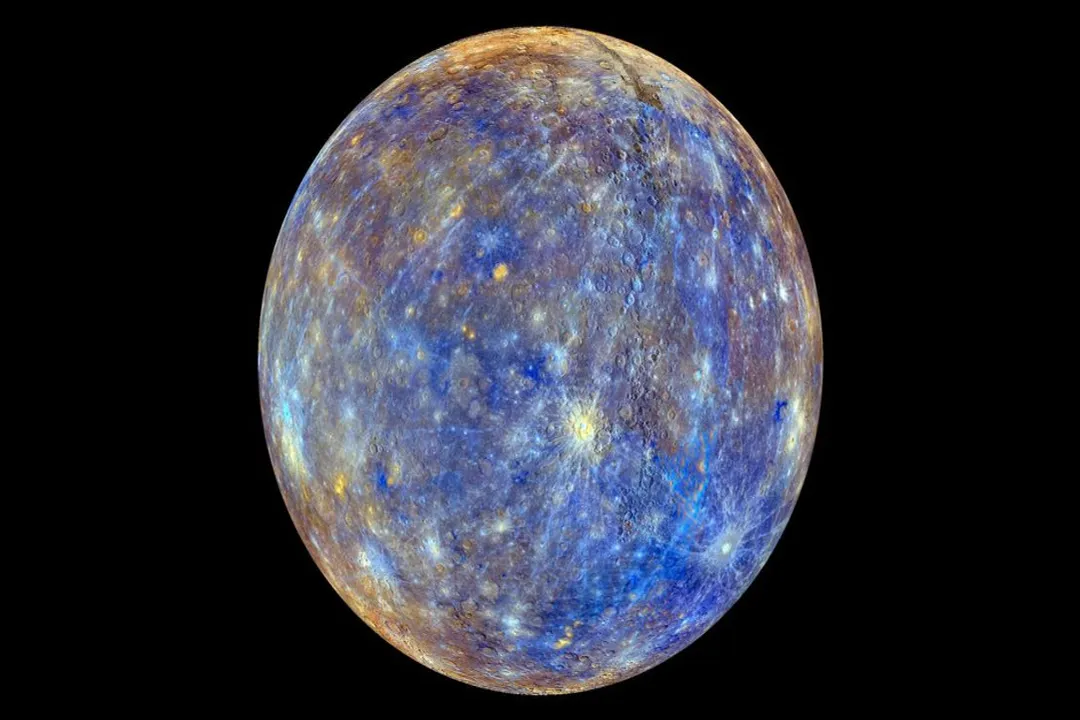
For instance, Mercury is known to have a disproportionately large metallic core relative to its overall size. [1] Any rock ejected from the planet's mantle or crust would carry a chemical fingerprint indicating low volatile elements and a specific isotopic signature different from rocks originating from other terrestrial bodies. [3] The expected classification for such a sample is often referred to as a Hermian meteorite, linking it to Hermes, the Greek counterpart to the Roman god Mercury. [3] These rocks provide insight into the composition of the planet's interior, which is otherwise very difficult to access. [1]
Contrast this with other known non-asteroid falls. Lunar meteorites are identified by their lack of an atmosphere-modified fusion crust and distinctive mineralogy reflecting the Moon's surface geology. [9] Martian meteorites, though rarer than lunar ones, are identifiable because their trapped gases match the thin atmosphere of Mars measured by orbiting spacecraft. [9] Establishing the provenance of a Hermian sample requires similar, highly specific correlative data to rule out other sources. [1]
An interesting comparison arises when considering the sheer energy required for ejection. While Mars is much closer to the asteroid belt, facilitating impacts that can kick material off its surface, the impactor needed to liberate rock from Mercury and send it toward Earth would have needed vastly greater kinetic energy relative to the planet's smaller gravity well. This implies the incoming impactors must have been traveling at extremely high relative velocities, or the impacts occurred on a geologically young, heavily cratered surface that has since eroded away on Mercury itself. [1]
# Scientific Return
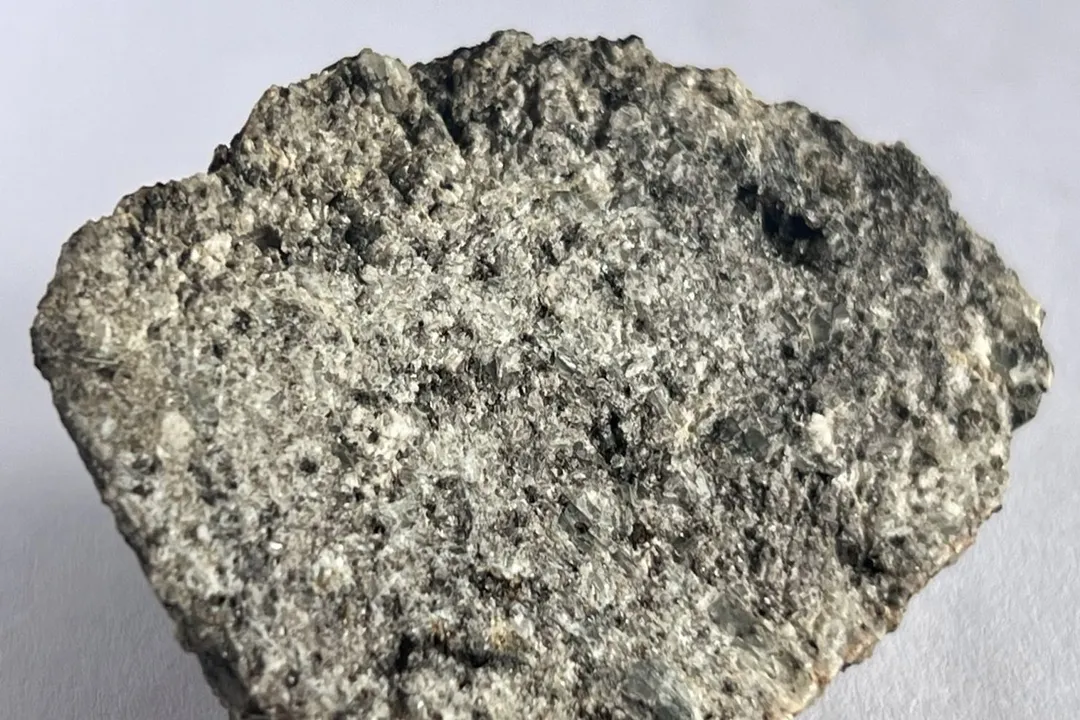
The confirmation of genuine Mercurian meteorites opens an unparalleled window into planetary evolution. Mercury is a planet of extremes: blazing heat, massive iron core, and heavily cratered surface. [1] Studying these rocks allows researchers to investigate several fundamental questions about the planet's formation that orbiting missions struggle to fully resolve. [7]
These extraterrestrial samples can help constrain models regarding:
- The exact composition of Mercury’s crust and mantle.
- The chemical processes that occurred during the planet's early differentiation (the separation of core, mantle, and crust).
- The history of volcanism and impact bombardment on the planet’s surface. [1]
The scientific community has long relied on analysis of impact melt breccias, which are rocks formed from fragments cemented together by impact-generated melt, to understand planetary crusts. [3] If the Sahara finds are indeed Mercurian, they become singular reference points. For instance, while analyzing a meteorite whose origin is uncertain can sometimes lead to an ongoing scientific puzzle, as seen with some finds where the origin remains debated, [6] a confirmed Mercury sample sets a definitive chemical benchmark for the inner solar system's smallest world. [7]
It is worth noting the logistical advantage these terrestrial finds offer over robotic sample return missions. While a mission like NASA's MESSENGER provided crucial orbital data, a sample returned from Mars must still be analyzed within the constraints of the return vehicle's landing site and timing. In contrast, a meteorite found in the desert has already traveled the entire path and is available for analysis in multiple specialized labs across the globe, provided its identity is securely established. This allows for immediate, comparative study with lunar and Martian samples already in terrestrial collections. [9]
# What Comes Next
The acceptance of any meteorite as Mercurian is a cautious process. It involves cross-referencing multiple independent lines of evidence, often requiring years of scrutiny before the scientific community reaches a consensus. [1] The excitement surrounding the potential Sahara finds stems from the hope that definitive analytical data—perhaps elemental ratios or trace element concentrations unique to Mercury—will solidify their classification as the first bona fide samples of that elusive world. [8] If these pieces are authenticated, they immediately jump to the top tier of importance among meteorites, joining the select group of known samples from Mars and the Moon. [9] The physical reality of holding a rock from the solar system's innermost planet represents a major achievement in planetary geoscience, transitioning Mercury from a distant target of remote sensing to a tangible object of direct study right here on Earth. [1][7]
#Videos
Ancient Meteorites Found in Africa May Be First Pieces of Mercury ...
Related Questions
#Citations
Mercury's 'missing' meteorites may have finally been found on Earth
Researchers may have found first Mercury meteorites - CNN
LPSC 2013: Do we have a meteorite from Mercury?
Scientists Found 2 Meteorites That Could Be Pieces of Mercury
Ancient Meteorites Found in Africa May Be First Pieces of Mercury ...
Origin Of 'Mercury' Meteorite Still Puzzles Scientists - NPR
Mercury meteorite among world's rarest rocks - Phys.org
We May Have Just Found Our First Mercury Meteorites On Earth
Meteorites - NASA Science