Why are TNOs considered geological archives of the early solar system?
Answer
They lack the internal geological heat to drive major tectonic shifts
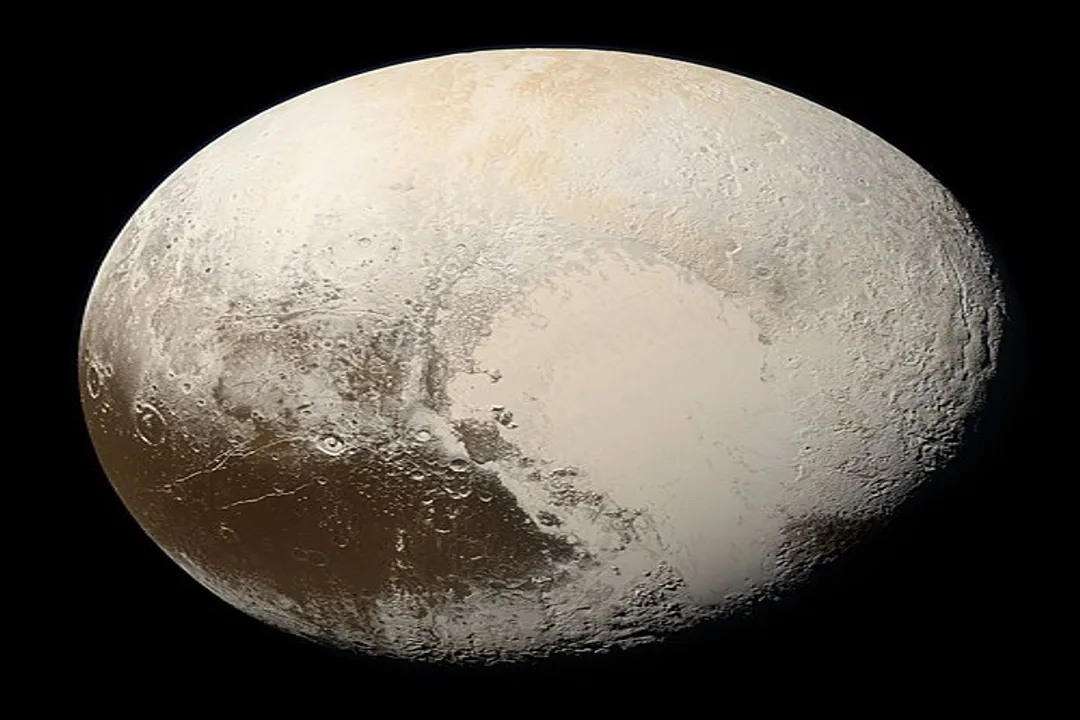
Unlike larger terrestrial bodies such as Earth or Mars, which possess internal heat engines that power geological processes like plate tectonics and active resurfacing, Trans-Neptunian Objects are generally too small to retain such heat. Because they lack these active geological mechanisms, their surfaces have remained largely unchanged for billions of years. Consequently, the chemical and physical characteristics visible today essentially function as a time capsule, preserving conditions that existed at the very dawn of solar system formation.
Related Questions
What is the primary definition of a Trans-Neptunian Object?How does the Kuiper Belt relate to the broader category of TNOs?What is the significance of the 2:3 resonance between Pluto and Neptune?What substance gives many TNOs their distinctive reddish hue?How do astronomers determine the size and shape of distant TNOs?Why are scattered disc objects considered to be in gravitational transition?What is the hypothesized role of Planet Nine regarding detached TNOs?Why are TNOs considered geological archives of the early solar system?How does the composition of the Kuiper Belt differ from the asteroid belt?What changed in planetary science following the 1992 confirmation of TNOs?