Is stargazing an expensive hobby?
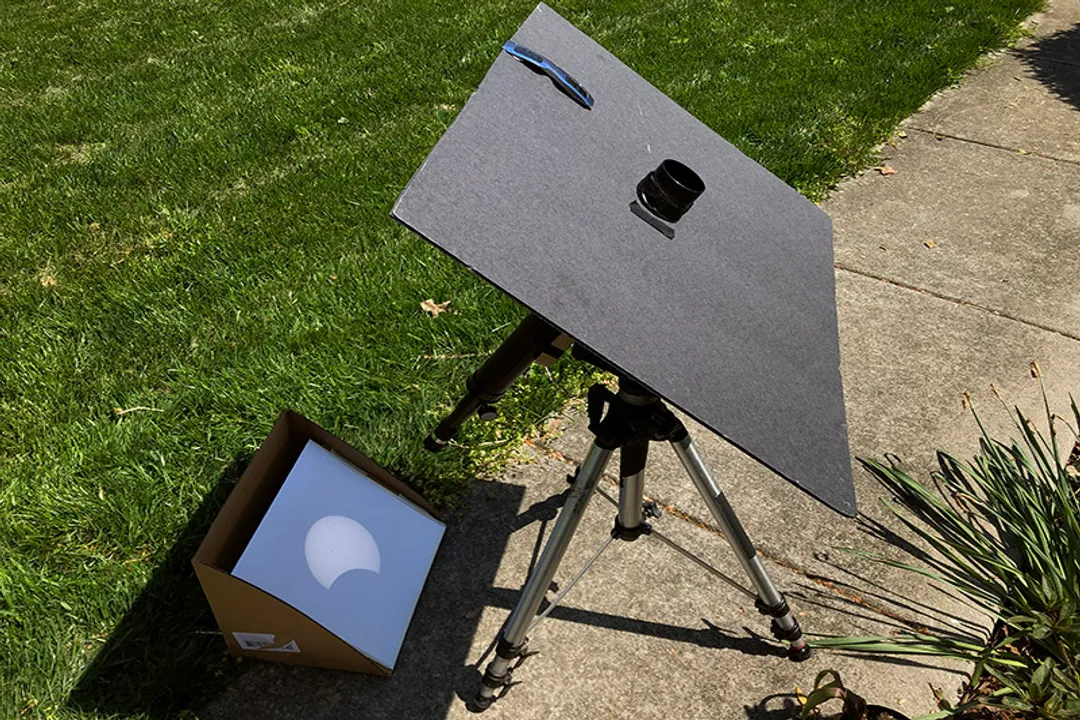
The perception that stargazing or amateur astronomy is an inherently expensive pursuit is widespread, often fueled by images of complex, high-end equipment capturing stunning deep-sky images. It is true that the hobby can easily consume a substantial budget, pushing into the realm of serious investment for deep-sky photography and large aperture telescopes. However, that initial hurdle of presumed cost is often the biggest barrier to entry, as the hobby has a surprisingly accessible, zero-dollar starting point. [10][2] Astronomy doesn't automatically demand thousands of dollars; it merely offers the option to spend that much for increased capability and different viewing experiences. [2]
# Free Start
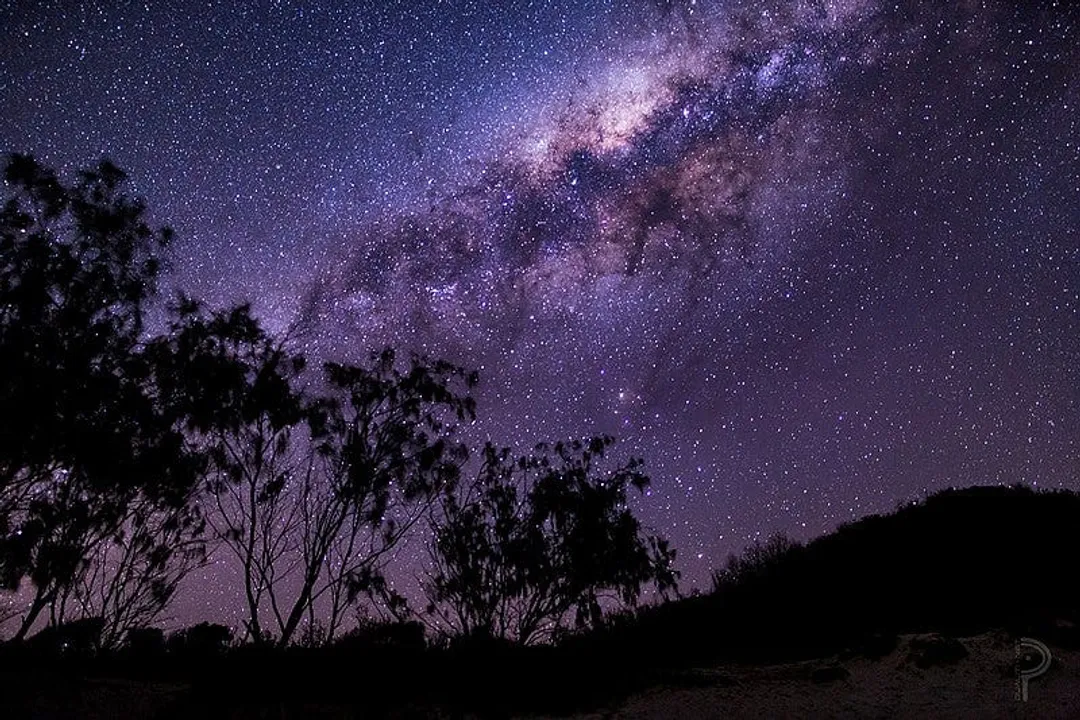
The purest form of stargazing requires nothing more than standing outside on a clear night and looking up. [1][4] Your eyes, the original astronomical instruments, are perfectly suited for learning the basics of the night sky. Before considering any purchases, you can spend weeks or months learning constellations, tracking the movement of planets, identifying bright stars, and even spotting the Milky Way from a dark location. [1][5] This foundational knowledge is arguably the most valuable asset an amateur astronomer can possess, regardless of the gear they eventually acquire. [5] Many experienced observers credit their initial success and long-term enjoyment to mastering the sky with just their naked eyes. [1]
# Optical Upgrades
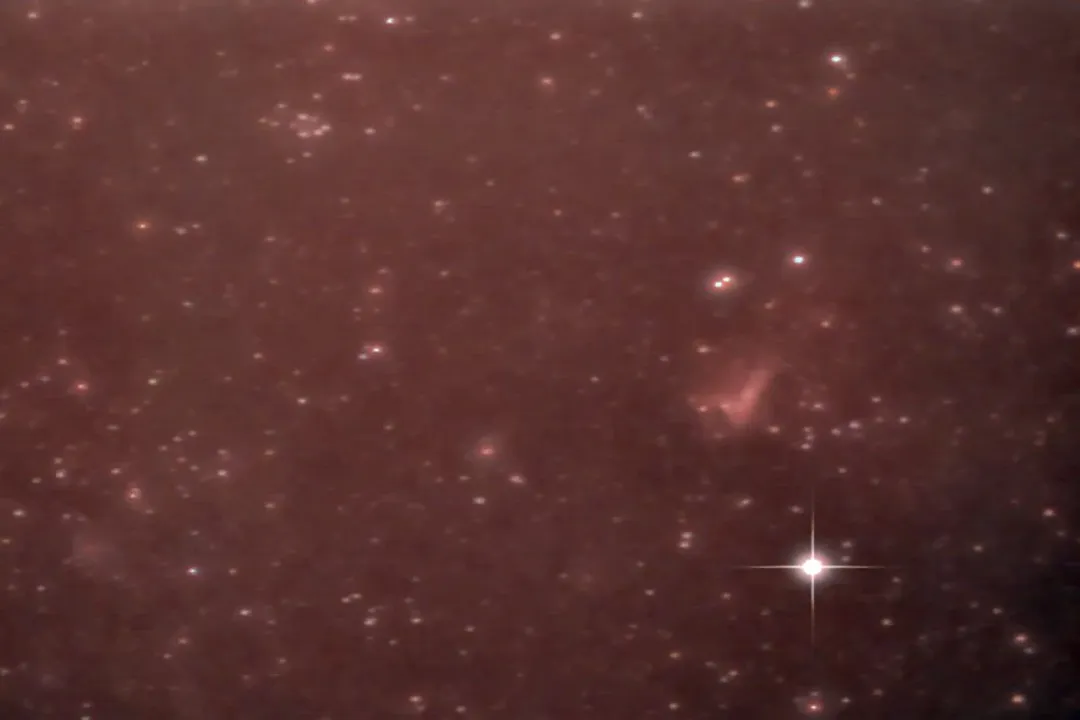
Once the desire to see more detail—the craters on the Moon or the moons of Jupiter—takes hold, the next logical step involves simple optics, and this is where the cost remains very manageable. Binoculars are frequently cited as the best first purchase after the eyes. [1] A decent pair of 7x50 or 10x50 binoculars can reveal hundreds of stars invisible to the naked eye, show the fuzzy glow of distant galaxies like Andromeda, and offer breathtaking wide-field views of star clusters. [1] The cost of good binoculars is often significantly lower than even a mediocre entry-level telescope, providing a much higher initial satisfaction-to-cost ratio. [1][2]
If a telescope is the chosen route, the price range scatters widely. You can find functional, small refractors or tabletop Dobsonians for a few hundred dollars, which are perfectly capable of showing impressive views of the Moon and the four Galilean moons of Jupiter. [2] The key differentiator at this entry level isn't necessarily the type of scope, but the quality of the optics and the mount supporting it. [2] A cheap telescope with poor glass or an unsteady mount can lead to frustrating views, often leading newcomers to incorrectly blame the hobby itself rather than the equipment compromise. [2]
# Telescope Spectrum

The reality of telescope pricing is a smooth gradient, not a single high price tag. You can spend perhaps 300 on a decent starter scope capable of showing Saturn's rings or Jupiter's cloud bands. [2] Moving into the 1,000 range buys you significant aperture (light-gathering ability) and a much more stable, precise equatorial or computerized mount, opening up fainter deep-sky objects. [2] Beyond that, prices climb rapidly into the thousands for very large apertures or advanced computerized tracking systems needed for serious astrophotography. [2] This variability means that the hobby scales precisely to the individual's budget, offering clear entry and exit points depending on commitment. [10]
# Astrophoto Cost
Astrophotography introduces a distinct layer of expense that can rapidly inflate the hobby's price tag. While simply viewing celestial objects requires only optical gear, recording them requires precision mechanics and sensitive electronics. [8] You need not only a good telescope or lens but also a highly accurate equatorial mount to track the sky precisely over long exposures, a dedicated astronomy camera or a modified DSLR, and often a separate guide scope and camera setup. [8][9] This is where costs easily reach $2,000 and up for reliable results, which is why some observers stick strictly to visual use to keep expenditures down. [8] Even here, however, innovation provides lower-cost pathways; one can begin with a camera attached to a star tracker that costs only slightly more than a good pair of binoculars, capturing short exposures that reveal color invisible to the eye. [9]
# Testing Commitment
A significant concern for anyone thinking about buying a telescope is ensuring the hobby will last past the initial novelty phase. [5] Since an investment of several hundred dollars feels substantial, there are smart, low-cost ways to test the waters first. The absolute best way to gauge long-term interest is to get involved with the local astronomy community. [5] Joining a local club or attending organized star parties costs virtually nothing but time. [5] At these events, you gain immediate access to a wide variety of equipment—from small refractors to massive light-buckets—and seasoned observers who are usually delighted to let newcomers look through their gear. [5] This hands-on experience, viewing through several different setups, provides far better data on what you actually enjoy looking at than any online review can offer. [5]
One highly effective, though often overlooked, initial step is to create a "Stargazing Log/App Challenge" for three months before spending over $100 on gear. Use a free mobile astronomy app (like SkyView or Stellarium) and challenge yourself to locate and sketch (even poorly) twenty specific objects listed in a beginner's guide—e.g., the Orion Nebula, the Andromeda Galaxy, the Pleiades cluster, and the five visible planets. If the process of finding and documenting them appeals to you more than the idea of owning a telescope, you have confirmed your interest in the search, which is the core of the hobby. If, conversely, you find the process tedious, you have saved money and identified that perhaps equipment-heavy astrophotography, which focuses less on deep-sky searching, might suit you better down the line. [5]
# Light Costs
When assessing the total cost of astronomy, it is crucial to separate the cost of equipment from the cost of access. While telescopes cost money, the single greatest limiter to quality viewing for most people is light pollution. [2] Cities and suburbs create skies so bright that only the Moon, planets, and the brightest stars are visible. [2] Escaping this requires traveling to dark skies, which introduces costs related to time and transportation—fuel, vehicle wear, or perhaps lodging for a dedicated trip. [2] For someone living in a major metropolitan area, the time and fuel spent driving two hours outside the city to a dark site might realistically exceed the annual maintenance cost of a modest $400 telescope used primarily in their backyard. [2]
This introduces an interesting analysis point: The cost of fighting light pollution often outweighs the cost of beginner optics. Consider two hypothetical beginners: Observer A buys a 150 binoculars, joins a local astronomy club that meets monthly at a dark-sky site an hour away, and pays $50 annual membership dues. Observer B has spent less money initially, spent less time setting up complex equipment, and likely achieved better quality views on those dark-sky nights than Observer A did on their backyard sessions, simply by prioritizing sky quality over aperture size. [2] The initial purchase price is deceiving; the true hobby expense often lies in the necessary logistics of finding darkness.
# Budgeting Essentials
For those ready to commit a small sum, maintaining a budget involves smart purchasing decisions across categories:
- Mount First: If buying a telescope, prioritize a solid mount over large aperture in the initial purchase. A stable platform is essential for satisfying views and is often the first thing amateur astronomers regret skimping on. [2]
- Used Markets: The second-hand market for used telescopes, especially the classic, solidly built brands, is excellent. You can often find equipment selling for 50% of its original retail price that is still in great shape. [1]
- Don't Over-Accessory: Resist the urge to buy every eyepiece or filter offered immediately. Start with the one or two eyepieces that came with the scope and learn what they do before adding specialized, expensive accessories. [1]
In the end, stargazing is a hobby that respects the checkbook. It allows you to spend as little as the price of admission—your own eyes—or as much as a new car for advanced imaging setups. The essential experience, however, remains accessible to nearly everyone willing to step outside after sunset. [10]
#Videos
What a $4000 Astrophotography Telescope Gets You - YouTube
Related Questions
#Citations
Iwtl stargazing/astronomy as a hobby : r/IWantToLearn - Reddit
Astronomy is Expensive - not really.. - Cloudy Nights
Enjoying amateur astronomy on a budget - Medium
Top Five Tips To Begin A Stargazing Hobby - Orlando Science Center
How to know if astronomy is going to be a lasting hobby before ...
What a $4000 Astrophotography Telescope Gets You - YouTube
Is Astronomy becoming lost to the poorly paid. - Stargazers Lounge
Is Astrophotography Worth It? - rwtadventures.com
Astrophotography: The Journey of a Budget-Friendly IT Professional
Astronomy doesn't deserve its reputation as a tough, expensive ...